

Abandoned newborn rescued in Mundri, as similar cases raise child protection concerns

By Emmanuel Mandella
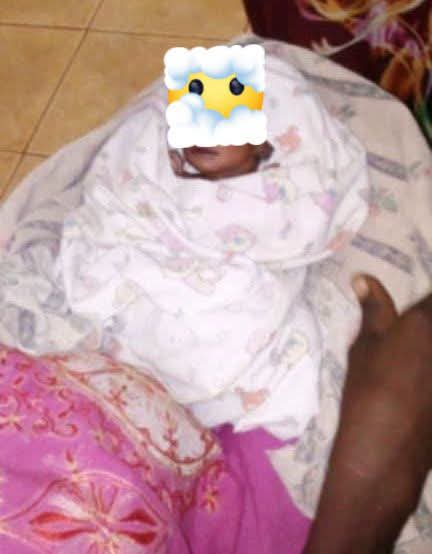
Community members in Hai Ngulawa residential area, Mundri West County of Western Equatoria State, have rescued a newborn baby allegedly abandoned in a nearby bush land, prompting renewed concerns about protection of vulnerable mothers and children in the country.
According to Amadi FM, a local radio station in Western Equatoria State, residents responded after the baby was discovered in the bush and immediately arranged for the newborn to receive medical attention.
Speaking to the station, Mr. Sabah, the maternity ward in-charge at Mundri Primary Health Care Centre (PHCC), confirmed that the baby was in good condition and receiving medical care at the facility.
The incident reportedly involved a young schoolgirl who had allegedly abandoned the baby shortly after birth. However, the circumstances surrounding the incident, including the girl’s personal situation and the events that led to the abandonment were yet to be established.
Following the incident, health officials urged mothers and young girls experiencing difficult pregnancies or childbirth circumstances to seek assistance from health workers, relatives and other available support systems rather than putting their lives or those of their newborns at risk.
The incident has drawn attention to challenges surrounding teenage pregnancy, social stigma, limited access to reproductive health information and inadequate support for young mothers.
Community leaders and authorities have also been encouraged to strengthen awareness campaigns, counselling services and child protection mechanisms to ensure that vulnerable mothers receive assistance before and after delivery.
The Mundri incident comes amid previous reports of newborn babies being abandoned in different parts of South Sudan.
In July 2024, residents in Aweil, Northern Bahr el Ghazal State, rescued a newborn baby boy found in nearby bushland after hearing the child’s cries.
In March 2025, another newborn was reportedly discovered near a river in Wath-Muok Payam, Aweil South County. The paramount chief of the area, Ayom Akol Wek, told Sudans Post that a businesswoman found the infant and alerted authorities. The baby was subsequently taken to Aweil for care.
In September 2024, Eye Radio reported that a woman had left her newborn baby girl at Saint Kizito Medical Centre in Juba after giving birth and disappeared while medical staff were caring for the infant.
More recently, there were media reports of the rescue of a newborn allegedly abandoned in the Ngulawa area of Mundri West. Its report identified the baby’s mother as an 18-year-old primary school pupil and said both mother and child received medical attention at Mundri Primary Health Care Centre.
The report also said health workers treated the young mother for heavy bleeding and addressed a complication involving the baby’s umbilical cord.
These incidents illustrate recurring concerns about the circumstances in which some newborns are abandoned and the need for accessible healthcare, family support and protection services for vulnerable mothers and children.
The Mundri rescue has highlighted the importance of community vigilance and timely medical intervention when newborns are found in dangerous circumstances.
In the foregoing situation, child protection advocates and relevant authorities have been urged to address the underlying challenges that may leave young mothers feeling unable to seek help, including fear of stigma, rejection, financial hardship and limited access to reproductive health services.
Families, schools, health facilities, community leaders and social welfare institutions have an important role in ensuring that pregnant girls and young mothers can access counselling, safe delivery services and appropriate support without discrimination or threats.
While the newborn rescued in Mundri is reported to be in good condition, the circumstances surrounding the incident remain a matter of public concern and for authorities to establish.