




The deepening economic hardship has engulfed the judiciary. The third powerful arm of the government says it has suffered budget deficiency because institutions in charge of finance and budget allocation are ignorant of the importance of the arm.
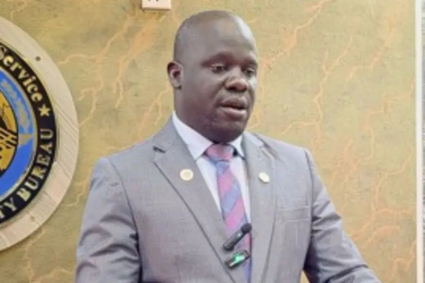
Deputy Chief Justice John Gatwich Lul said there was a need to sensitised institutions in charge of national budgeting about what the judiciary entails.
“There is a need for people to know what is the judiciary. Even some of the ministers don’t know. They think we are an institution within the Ministry of Justice and Constitutional Affairs,” Gatwich said during the judicial reforms and permanent constitution-making process workshop organized by UNDP, UN Women, and UNMISS.
“They do not consider us as an institution that needs to be respected. The position of the judiciary should be informed so that everybody knows. We are not independent as far as the financing is concerned,” he added.
Affected operations
He said there is no proper budget for the judiciary and that it was affecting the day-to-day running of the institution.
“A judge is coming from Gudele on foot and on Boda [Boda]. We don’t have cars. Those cars brought in 2011 do you expect them to be on the road up now?” he asked.
He revealed that the expansion of constitutional court requires manpower and for the case of South Sudan there are few judges providing services to the people. Gatwech said the number of judges was just below 250.
“We don’t have enough judges where will you get the manpower to run the constitutional court?” he questioned.
Justice Stephen Simon, another court judge, said that the Judiciary has only a limited number of courts right from a court of appeal and supreme court.
He said some of the judges including himself have not been promoted since independence.
“I am now sixteen years in one position without being promoted. We don’t have even identity cards and you say I am a judge. Nobody will respect you,” said Simon. “We are doing the judiciary service because we want to help the people. We are going for six(months) without a salary. This is the situation we are in today,” he added.
He said in Sudan Judiciary was being handled well by the government of Sudan.
“We were feeling okay in terms of salary and service provided to the judges by the Judiciary itself,” he said.
However, one of the representatives from one political party who requested not to be mentioned said that Judiciary should not depend on the ministry of finance but used the little resource they have to reform the institution.
“Judiciary should do the recruitment because there are many lawyers in private firms. You are the one (judiciary) to make them become good judges in the country,” the source said.
Another representative who preferred to be known as Advocate Adut said the judiciary should not blame the Ministry of Finance but invest the “little resources” it has to spur revenue generation.
“The judiciary should invest in the little resources they have. Every government institution is crying about money. They should not blame the ministry of finance,”Adut said.
South Sudan Law Society officials said “If judges are not secure, the country is not secure. Judges and Justices need to be taken care of.”