

South Sudan Must Address Its Suicide Crisis Through Mental Health Reform

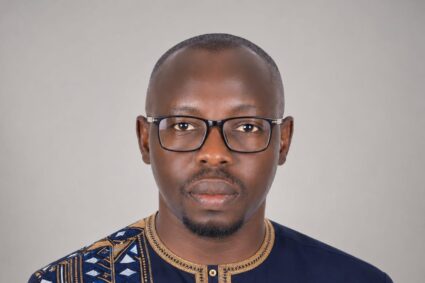
By Monyjok Monylang Dau
In the face of ongoing conflict, economic hardship, and displacement, South Sudan is silently enduring another crisis, the growing number of suicides and untreated mental health disorders. While physical health and humanitarian emergencies dominate the headlines, the psychological suffering of South Sudanese citizens remains dangerously overlooked by the government.
In 2021, the Government of South Sudan, through the Ministry of Health and its partners, collected and recognized national suicide data for the first time. This landmark effort confirmed rising suicide rates, particularly among vulnerable groups including young men and women, and displaced persons. The findings marked an important turning point—but the time for awareness has passed. The time for action is now.
Recent trends in 2024 and 2025 show a continued rise in suicide cases across the country. This alarming escalation signals a deepening mental health crisis that can no longer be overlooked. Without bold and immediate action, South Sudan risks losing more lives to an invisible crisis that continues to grow in silence. The time to act is now.
Since independence in 2011, South Sudan has been plagued by cycles of violence, political instability, and chronic poverty. The cumulative psychological toll of war, displacement, hunger, and trauma has created a national mental health emergency. Yet, mental illness and suicide remain taboo in many communities and under-addressed in the national health system.
The majority of suicide cases are still misclassified, underreported, or dismissed due to stigma, spiritual beliefs, and lack of awareness. Many families view suicide as a rejection of responsibility from survivor, curse or moral failing rather than a public health issue. As a result, individuals suffer in silence, and families mourn without answers or support.
Despite the 2021 suicide data and repeated calls from civil society and health experts, South Sudan’s health system still does not prioritize mental health. The Ministry of Health’s mental health unit remains underfunded and understaffed. Primary health care services rarely include psychological support, and the country lacks a national suicide prevention strategy. Mental health services must be urgently scaled up across all levels of the health system. This includes Hospitals, Primary Health Care Centers (PHCCs), and Primary Health Care Units (PHCUs) throughout the country. Accessible and consistent mental health care is essential to prevent further loss of life.
In a country still healing from the wounds of conflict and displacement, the scarcity of mental health professionals in South Sudan is not just a statistic, it is a silent emergency. With fewer than four or five psychiatrists serving the entire nation, and few trained psychologists and counsellors either unemployed or concentrated in urban areas, millions in rural communities—where trauma runs deepest, are left without hope or healing. This is not merely a gap in services, it is a humanitarian and public health failure that demands urgent attention. If we are to build a peaceful and resilient South Sudan, investing in accessible, community-based mental health care is not optional—it is essential.
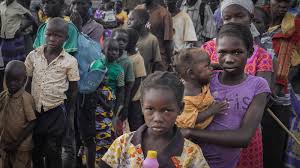
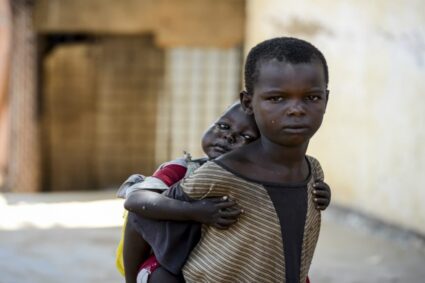
The mental health crisis disproportionately affects young women, youth, and internally displaced persons (IDPs). Many young women who survive gender-based violence live with trauma and depression but have nowhere to turn for help. Youth affected by war, lost education, and unemployment often fall into hopelessness, substance abuse, or suicidal ideation, frequently followed by attempts. In IDP camps, where people live in uncertainty, trauma-related disorders like Post-traumatic stress disorder (PTSD) and depression are widespread. Yet, mental health services are rarely integrated into humanitarian aid responses.
National NGOs and international agencies such as Médecins Sans Frontières (MSF), the International Medical Corps (IMC), and IOM-OIM have implemented localized mental health and psychosocial support (MHPSS) initiatives. These include basic counseling, trauma healing, and community-based support programs. However, these efforts are fragmented and often unsustainable due to donor fatigue and lack of government ownership. Without national coordination and funding, these programs cannot reach the scale required to address the growing mental health burden.
The situation demands a coordinated and collective intervention by both the government and its partners. Addressing suicide and mental health issues requires a unified response that brings together public institutions, humanitarian organizations, and community leaders to tackle the root causes and provide meaningful support.
The 2021 suicide data must not remain just a statistic—it must serve as a wake-up call to all stakeholders. Mental health is not a luxury; it is a public health imperative. Experts and advocates call for the following urgent reforms:
Develop and Implement a National Mental Health Policy. This should include a suicide prevention strategy and trauma-informed care models.
Integrate Mental Health into Primary Healthcare – Every health facility must offer basic mental health services to ensure early detection and intervention.
Train and Deploy Mental Health Workers – South Sudan needs a trained, supported workforce of psychologists, counselors, and social workers across the country.
Launch Anti-Stigma Campaigns – National efforts are needed to educate the public, challenge harmful beliefs and encourage help-seeking behavior.
Sustain Data Collection and Monitoring Reliable data must guide resource allocation, policy decisions, and program design.
South Sudan stands at a crossroads. Suicide and mental illness are taking lives in silence. The path forward must be one of recognition, investment, and reform. Only through bold, immediate, and sustained action can the country begin to heal from its invisible wounds and protect the future of its people.
The author is a mental health practitioner with field experience and a fourth-year student of Counselling Psychology at Mount Kenya University. He is currently engaged in mental health service delivery and can be contacted via email at monyjokmonylang44@gmail.com or WhatsApp at 0981771122.