


Lost Childhood: The Growing Crisis of South Sudan’s Street Children

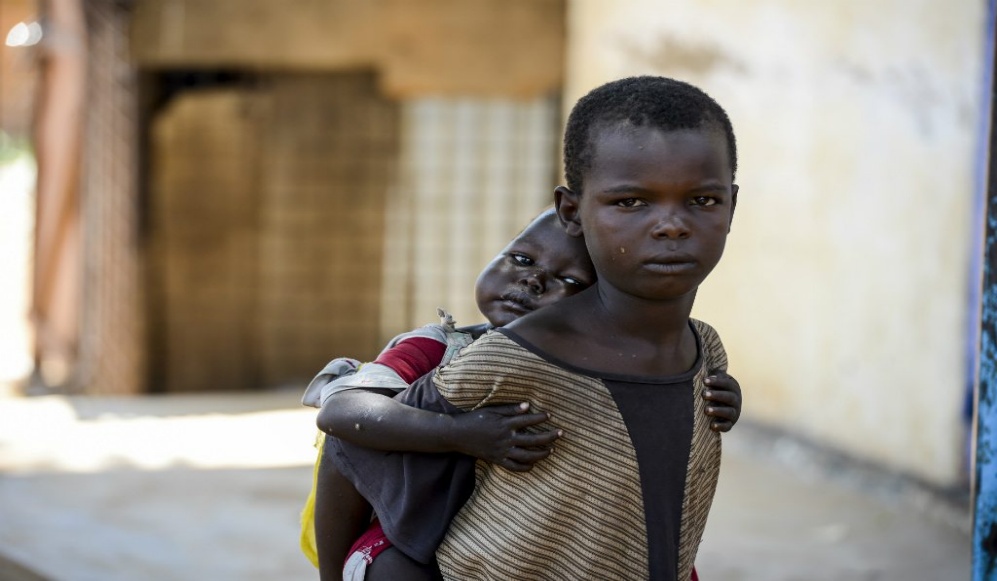
In the heart of South Sudan’s capital, Juba, a silent crisis is growing each day. As the sun rises over the city, children as young as five can be seen weaving through traffic, dodging speeding vehicles and knocking on car windows, begging for money. These are not just children playing; they are children surviving.
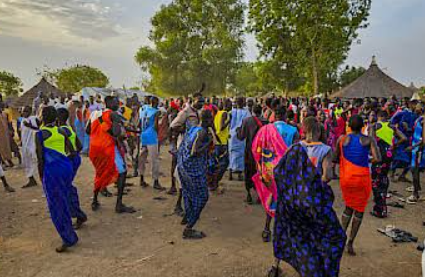
Across the country, from Wau to Malakal, Bor to Yei, Aweil to Terkaka countless children are not in school, not in safe homes, and not receiving the love and care they deserve. They are living on the streets. Some are orphans of war, others come from broken homes, and many are victims of poverty, abuse, and neglect.
Instead of reading books or learning math in classrooms, they are searching for food in trash bins, sniffing glue to escape hunger, or falling into the hands of criminal gangs. These children are everywhere on the streets, in cemeteries, behind market shops, under bridges, and in dark alleyways. In Juba’s Konya Konya market, some sleep in abandoned buildings or next to rubbish piles. No one really knows how many there are or where they all sleep each night.
Their pain is visible. Torn clothes, bare feet, swollen eyes, and tired faces tell their stories better than words. When you ask them what they want, most say the same thing: food, shelter, school, and love. These are basic needs, yet thousands of South Sudanese children go without them every single day.
The situation is not just heartbreaking; it’s dangerous for the children and for the future of the country.
Mangok Mangok Mayen, a respected community leader and scholar, shared his thoughts:
“These children are not criminals. They are victims. South Sudan cannot move forward while leaving behind a generation that has never known peace, stability, or education. We must treat this as a national emergency. If we fail them today, they will grow up angry, lost, and unprepared. That will affect all of us socially, politically, and economically.”
What is pushing so many children to the streets?
South Sudan has been through decades of war, and the scars are everywhere. Many families were torn apart, and countless children lost one or both parents. Even those with families often live in deep poverty. With little to eat and no money for school fees, some parents send their children to the streets to beg. Others abandon them altogether.
The education system is broken in many parts of the country. Public schools are few and underfunded. Teachers are unpaid for months. Some classrooms have no chairs, no chalk, no books, and no toilets. In such an environment, staying in school is a struggle, especially for children who are already hungry.
Spiritual emptiness also plays a role. Many of these children grow up without knowing the love of God or the power of prayer. When a child is left alone in this world without a sense of purpose or hope, they can easily fall into darkness. Alcohol and drug abuse become ways to forget the pain.
Socially, these children are often rejected. People fear them. Shopkeepers chase them away. Police beat them. Instead of helping them, many see them as a threat. But they are still children hurting, hungry, and in need of care.
Abuk Mayar Mayar, a 14-year-old girl who lives in Juba and attends school, said:
“I see them every day on my way to school. They are dirty, hungry, and some are crying. I wish they could come to school with me. They are young, but their life is so hard. We need to help them because they are our brothers and sisters.”
Economically, South Sudan is still one of the poorest countries in the world. Many families survive on less than a dollar a day. The government struggles to provide services. NGOs and churches are doing their best, but the problem is too big for just a few hands.
There are things we can do now, things we must do.
We need more shelters in Juba and across the country, safe spaces where street children can sleep, eat, and feel loved. We need free, well-funded schools and feeding programs to help families keep their children in class. We need community centers that provide counseling, spiritual guidance, and mentorship.
Churches must open their doors. Schools must be safe places, not places of punishment. Families must be supported, and broken homes healed.
The government must lead. Policies must be made to protect children, especially orphans. Street children must be seen as citizens with rights, not as outcasts. Investment in children’s welfare must become a national priority, not tomorrow, but today.
Adeng Kuel Maluil, a young South Sudanese girl living in the United States, shared her deep concern:
“When I watch videos or see pictures of street children in Juba, it breaks my heart. That could have been me if I hadn’t been given the chance to live and go to school. I pray for them. But we must do more than pray. We must act. Every child deserves a chance. South Sudan must rise and protect its children.”
This is a call to action, not just for the government, not just for international organizations, but for all of us.
To the mothers and fathers, speak life into your children. To the churches, become a refuge for the lost. To the teachers, teach with love. To the leaders, lead with justice.
Street children are not the problem; they are the result of many problems. And they can be the beginning of a solution if we love them, protect them, and guide them back home, to school, to safety, and to God.
Let us not be remembered as the generation that forgot its children. Let us be known as the one that reached out and saved them.
Their future is in our hands. The time to act is now.
Short biography:
Suzan Peter Mabuong is a weekly columnist with ‘The City Review’ on social impact. She is a Ph.D. candidate in Organizational Leadership at Grand Canyon University. Having lived in Canada and the United States for more than two decades before returning to South Sudan, Suzan brings a unique perspective that goes beyond the surface to explore the real stories shaping the nation. Suzan stands firm on the promises of God’s protection: “The Lord will keep you from all harm, He will watch over your life” (Psalm 121:7). Contact Suzan at: beyondtheheadlines.ssd@gmail.com