
SPLM political bigwigs lose as emerging players enters stage in party primaries

A growing list of political heavyweights bite dust as little -known or in some cases, young blood rise up to the political occasion, raising more questions about the foregoing leadership and political representation
By Emmanuel Mandella
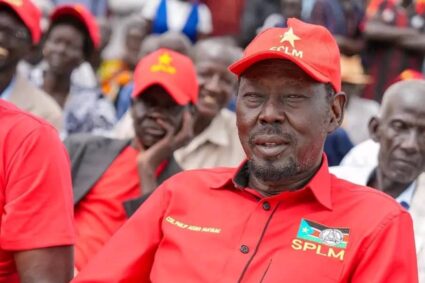
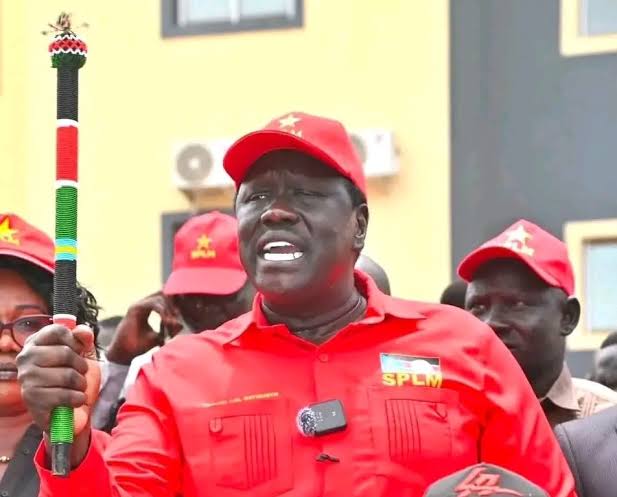
Former minister, Hon. Ezekiel Lol Gatkuoth (pictured) lost the SPLM party primaries for Longechuk County to Gach Wuol Guandong. [Photo: Courtesy]
A growing list of of influential politicians in South Sudan’s ruling Sudan People’s Liberation Movement (SPLM) have suffered unexpected defeats in recent party primaries, as less-known or relatively younger contenders secured nominations to contest in the upcoming general elections.
The defeats of former ministers, senior party members and political veterans have renewed questions about the influence of political experience and national prominence among grassroots party members, who are set to represent SPLM in the forthcoming elections.
In Upper Nile State, former SPLM Chief Whip Rebecca Joshua Okwaci lost the Panyikang County parliamentary primary to Yoanes Abon, while former Petroleum Minister Ezekiel Lol Gatkuoth was defeated by Gach Wuol Guandong in Longechuk County.
Okwaci is a veteran of the liberation struggle, having become widely known through her work with Radio SPLA, where she was associated with the title “Voice of the Revolution”. She later served in several government positions, including Minister of Telecommunications and Postal Services and Minister of Roads and Bridges.
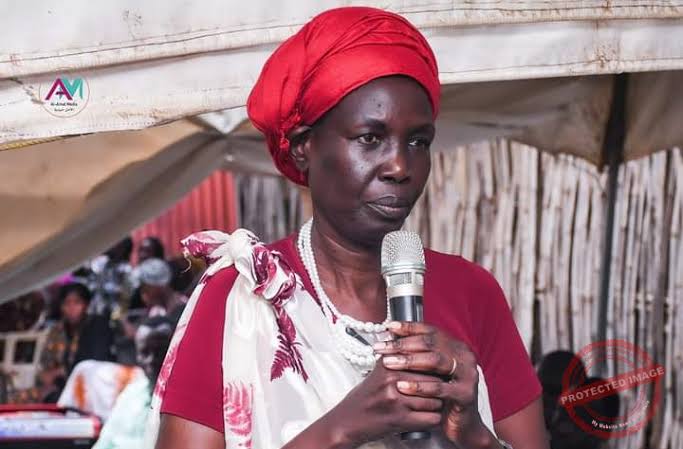
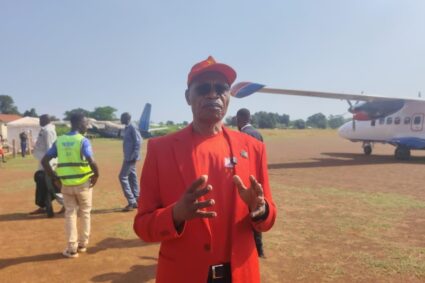
Veteran politician and liberation icon,Rebecca Joshua Okwaci (pictured) lost the Panyikang County parliamentary primary to Yoanes Abon. [Photo: Courtesy]
Gatkuoth, meanwhile, has served as a diplomat, ambassador and minister. He previously represented the SPLM internationally and later served as South Sudan’s ambassador to the United States and the United Nations before becoming Minister of Petroleum in 2016, and most recently in 2026, as Minister of Public Service and Human Resource Development.
Despite their extensive political backgrounds, both failed to secure the party nominations in their respective constituencies. Gatkuoth reportedly received 44 votes against 131 for Gach Wuol Guandong in the Longechuk race.
Hon. Gatkuoth would later following defeat, allege that ‘his supporters faced intimidation and that new members of the ruling SPLM were misinformed about him.’
In Jonglei State, former Foreign Affairs Minister Dr Barnaba Marial Benjamin lost the SPLM primary for Uror South Constituency No. 9 to Wany Lam Tuor, who secured 136 votes against Marial’s 92. A third candidate, Tang Chatiem, received 87 votes.
Marial has held several senior government positions, including Minister of Information, Minister of Foreign Affairs and Minister of Presidential Affairs. He has represented Uror County in the National Legislative Assembly since 2010.
Tuor, an official at the Ministry of Foreign Affairs, told supporters during his campaign that he would represent the interests of the people and avoid making unrealistic promises.
Another veteran politician, former lawmaker Kuony War Jock, lost the Uror North Constituency No. 8 primary to Gatdet Bayak Riek. Bayak secured 152 votes, while Kuony received 70 and Peter Nin Tut Kuei obtained 80.
Bayak had been serving in the National Security Service before resigning to contest the primary. He said his campaign focused on development, equality and unity among the people of Uror.
The defeats have prompted debate over whether grassroots members are increasingly prioritizing local representation and accountability over established political profiles.
However, the results alone do not establish a nationwide rejection of veteran politicians; local alliances, campaign organization and constituency-specific concerns may also have influenced the contests.
SPLM committee chairperson Josephine Napwon Cosmas urged unsuccessful aspirants to remain united with the party, saying: “In any democratic election, there shall be losers and there shall be winners.”
The outcomes raise a broader question ahead of the general elections: are the primaries serving as a wake-up call for established politicians to reconnect with grassroots members, or are they simply reflecting the normal competition that takes place during internal party elections?
The answer will become clearer as the SPLM completes its selection process across the country’s three regions and prepares its candidates to meet head-to-head with rival parties in the general elections.