

It’s tragic walk for South Sudanese reporters to get news

It takes the heart of a lion and the courage of a veteran serviceman to wear a hat of a journalist in South Sudan. This statement summarises the risky path that journalists tread in and have to watch their backs all their time even with no guilt of conscience.
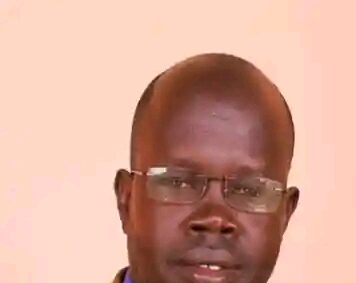
As for Bullen Bala, 28, having a notebook and a pen to chase the next big story has always landed in the arms of security officers especially when his leads are considered ‘too sensitive to be leaked.’
“Last year (2020) I found it difficult when I got into trouble where I was arrested and kept inside for three days,” said Bala.
Neima Juma, 30, editor of Juba Monitor newspaper said although some forms of harsh treatment of journalists in South Sudan have subsided as a result of 2018 revitalised peace agreement, content censorship exists making difficult for journalists to balance their reports.
“The challenge relating to harassment of journalists is minimised now but we still face challenges with security, denial to access information and sometimes we [are] restricted on what to write which is a big challenge,” Juma said.
Juma said being an editor means bearing responsibility for every story, especially when the story features views of dissident groups or government’s critics. This makes life difficult as it comes with lots of skepticism.
“Recently I received a call at night from unknown person. So, I felt insecure because if unknown person calls you at night, what does it mean?” she said.
Censorship
Bala said he has had also received life-threatening call from unrecognised number. According to him, the caller could be a member of security organs who ordered him to immediately stop writing on political matters of the country.
He said censorship was so rampant that it makes journalists to censor themselves from adhering to journalistic ethnics such as balancing stories.
“It is challenging, it is so challenging, but if you are not really a man, you will just give up journalism,” he told City Review.
According to the Amnesty International report, 2020, South Sudan had remained one of the dangerous environments for activists and journalists to perform their role.
“The NSS and the Military Intelligence Directorate continued to arbitrarily arrest actual and perceived government opponents and other critics, including journalists and civil society members, and hold them in prolonged arbitrarily detention in harsh conditions without charges or prospect of trial. Detainees were denied the right to have their detention reviews by a court;” said the report.
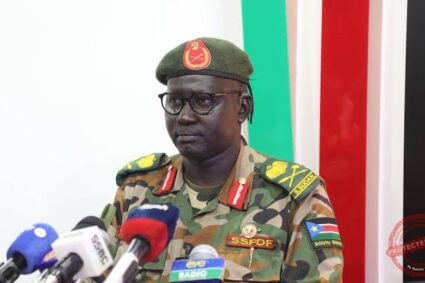
However, on April 14, Presidential Press Secretary Ateny Wek Ateny and National Security Service Spokesperson David John Kumuri defended the security organ saying the officers were treating suspects in their custody humanely and that they (suspects) were being accorded fair hearing.
At the launch of code of conduct for journalists in South Sudan aimed to guide and protect journalists to perform their roles with objectivities in accordance with the law, Elijah Alier Kuai, Managing Director of Media Authority, called on the government to promote media ethical standards in the country.
“The Media Authority appeals to the government and partners to support the dissemination of this code of conduct for the practice journalism in the Republic of South Sudan though the Union of Journalists and media advocacy groups and associations to ethical standards,” Alier urged.
Since the onset of the civil war of December 2013, nearly eight journalists have lost their lives, many others fled the country for fear of their lives and another group has quit the profession, according to Reporter Without Border.
In 2020, two journalists were reportedly arrested. One was charged and later released while the other whereabouts remains mysterious, the body said in a November 2020 report.
Bala who was inspired by a friend to work in media said he was discouraged by others to quite the career which he could not accept because of the passion he has already developed for the profession.
“Because of the nature of the work here in South Sudan, some people advised me to stop my journalism career to save my life, but I decided to continue because I love the career,” he added.