


Kiir wants National Dialogue resolutions harmonized with Constitution

President Salva Kiir Mayardit has welcomed National Dialogue’s resolutions describing it as a complementary solution to the revitalized peace agreement that must be harmonized with the country’s constitution.
On Monday last week, the National Dialogue Steering Committee passed a number of resolutions on issues of governance, security, economy and social cohesion polarizing the people of South Sudan.
On governance, the resolutions included presidential term limit to two, the country to have two vice presidents instead of the current five and government to initiate immediate effective institutional reform.
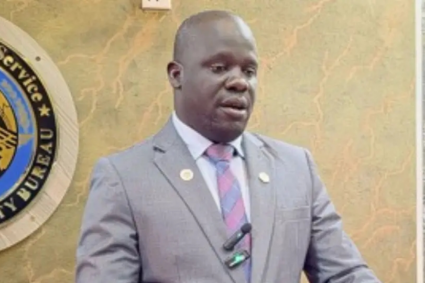
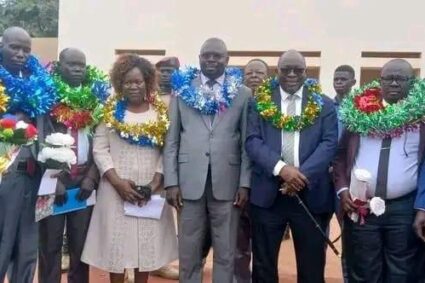
Addressing participants, including over 500 delegates at the closing session of the national dialogue process Tuesday last week, Kiir said the views expressed by the citizens at the grassroots were important for the country’s stability and should be harmonized with the supreme law of the land.
“Your views on numerous issues affecting our country at multiple levels, on governance, security, economy and social cohesion have been heard.
“There is no doubt that the outcomes of the national dialogue represent the views of broad cross-based sections of our society on the issues raised. This means there is no questions about the legitimacy of this process,” Kiir said.
“With this in mind, we need to remind ourselves that what has been produced in this process must be harmonized with the permanent constitution-making process, which is provided for in the revitalized peace agreement,” he added.
The National Dialogue was constituted and tasked by President Kiir in 2016 to search for lasting solutions to issues affecting the country and come up with amicable ways to address the issues.
In its four years’ processes, the Steering Committee, Co-Chaired by Abel Alier and Angelo Beda gathered views of citizens at various levels including consultations with the grassroots citizens, business and religious communities, political parties, women’s groups and youth.
According to President Kiir, that was the best process, which should have been adopted instead of foreign modes to address the conflicts in South Sudan.
“Since 2015, we have been falsely assured that templates of thematic experiences that have worked for others will work for us. We have been told again and again to adopt those modules by people who, in most cases, do not understand our contexts.”
“At times, even those who know our experience cannot resist to overlook our specific templates of what has worked in other countries.
“Sometimes we need to reflect a little on our history before we decry certain issue. Stopping a little to think on the nature of some complaints we make, may tell us, perhaps today is better than yesterday,” Kiir said.