



The ministry of federal affairs is making efforts to ensure the establishment of full-fledged federal democratic governance, the South Sudanese’ popular demand also enshrined in the revitalized peace agreement.
However, the legacy of “kokora” in the 1980s still dragging feet back on the ministry’s progress due to mistrust and misconception among some citizens including elites who associate federalism with division of South Sudanese into regional ethnicity.
But the ministry has found solace in the Chapter One of the 2018 revitalized peace agreement, saying it would soon embark on nationwide dialogue to clear the doubt and elements of federalism incorporated in to permanent constitution to effect equitable resource sharing and development in the country.
“We want to conduct more studies in term of dialogue in all the number of current states. The idea is that this result of the research we are trying to conduct and be able to get views from the states will help us in developing and adding to the blueprint the ministry is developing”.
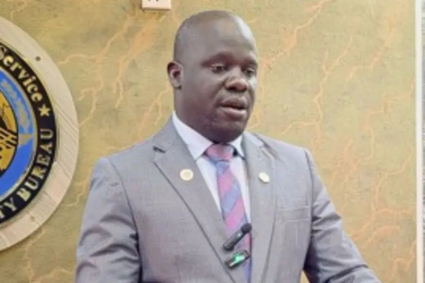
“There are numbers of fears that people ate concerned because of misconception about the word federalism. People have associated federalism with negative connotation. Some talk of it as kokora,” said Lasuba Lodoru Wongo, Minister of Federal Affair
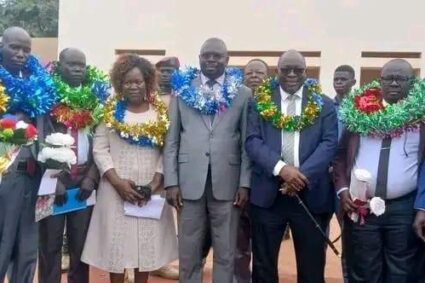
Mr. Lodoru was speaking at a closing session of a two-day capacity building for media professional organized by the ministry in coloration with International Institute for Democracy and Electoral Assistance (IDEA) last week.
During the 1980s of President Jafar Numeiry’s regime witnessed division of then Southern Sudan region in to three greater Bahr el Ghazal, Upper Nile and Equatoria provinces which also polarized the population along ethnicity and geographical affiliation.
According to Mr. Lodoru, the federalism – the constitutional devaluation of powers from the central government down to the state and county- has no any elements of Kokora and would ensure equitable wealth sharing and South Sudanese’ full participation in the affairs of their country if implemented.
South Sudan, though a decentralized government with some elements of federalism, has most of the powers concentrated at the central level which will contrary with the federal system.
The ministry has already constituted a technical working group comprising members of parliament, academia and civil society organization as a step toward ensuring future full-fledged democratic federal governance in the war ravaged country.