



Young Yambio women challenge leaders to mitigate education barriers

The young women emphasized that early pregnancies and child marriages remain a prevalent threat, forcing many girls out of school before completing their education
By Emmanuel Mandella
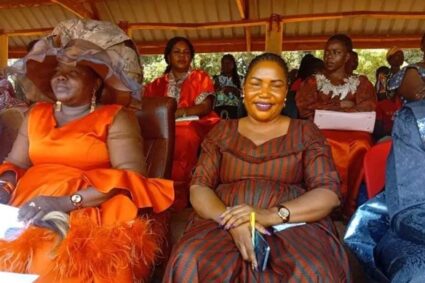
A group of young women in Yambio are urging government authorities, policymakers, and community leaders to address the persistent challenges hindering girls’ education in Western Equatoria State.
Speaking to The City Review, the group highlighted early marriage, teenage pregnancies, and lack of vocational training as major obstacles preventing young girls from realizing their full potential.
The young women emphasized that early pregnancies and child marriages remain a prevalent threat, forcing many girls out of school before completing their education. Societal expectations, economic hardships, and inadequate reproductive health services exacerbate the problem, creating a cycle of gender inequality, they said.
“Many of our sisters have been forced to abandon their education due to early marriage and societal pressures. If not urgently attended to, these challenges will continue to limit our futures and the economic growth of our communities,” a statement from the group read in part.
They cited a report by Girls’ Education South Sudan, which found that gender inequality remains a significant issue, with boys’ education often prioritized over girls’.
The young women also expressed concern over lack of access to vocational training, particularly for those in rural areas, leaving many without practical skills to support themselves.
In an immediate call for action to address these challenges, the young women called for enactment of the Girl Child Education Bill. They urged lawmakers in Western Equatoria State to finalize and pass the bill, which would protect girls from early marriage, ensure access to education, and establish legal safeguards against discrimination.
The statement further called on the government and development partners to allocate more resources towards building and maintaining schools, especially in rural areas.
Further, the women called for development of improved healthcare access, including sexual and reproductive health services, to reduce early pregnancies and maternal health complications.
Not only that, they urged the government to establish technical training centers tailored to current job market demands, giving young women an alternative path to economic empowerment. The women called on religious and community leaders to advocate for the value of girls’ education and work to end cultural practices that hinder their progress.
Thanks to continued advocacy from young women, women’s rights groups, and civil society organizations, the Girl Child Education Bill has progressed to the Western Equatoria State Legislative Assembly and is now nearing enactment.
“This is a defining moment in our struggle for equality. We cannot afford delays. Every girl deserves the chance to learn, grow, and build a future free from oppression,” the young women declared.
Their message is clear: without urgent action, the cycle of inequality will persist. But with the right policies and community support, Yambio’s young women believe a brighter, more equitable future is within reach.
“This is a defining moment in our struggle for equality. We cannot afford delays. Every girl deserves the chance to learn, grow, and build a future free from oppression,” a statement from the young women in WES read in part.