




2013 conflict posed big challenges to the judiciary, says official

The Director of Training in the Judiciary of S. Sudan also stressed the importance of training the judicial staff as obliged by the constitution to conduct training or professional services
By Chuol Chanyong
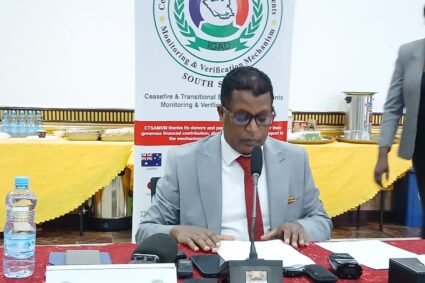
The Director of Training in the Judiciary of South Sudan, Justice Benjamin Bak, said the 2013 and 2016 wars have posed the biggest challenge in developing the judicial infrastructure in the country.
“Most of our challenges involve the issue of buildings. We had just started as an independent country and the infrastructure we had was a challenge, and therefore we were involved in many cases such as the issue of 2013 and 2016,” he stated.
Bak made the remarks during a capacity-building workshop for judicial staff on the management of cases related to Gender-Based violence and minors.
According to him, whenever a conflict breaks out everyone rushes to get cover, and becomes difficult to save money.
“The one who has money is always a coward and will choose to flee the area, seeking another, better place.”
He stressed the importance of training the judicial staff as obliged by the constitution to conduct training or professional services.
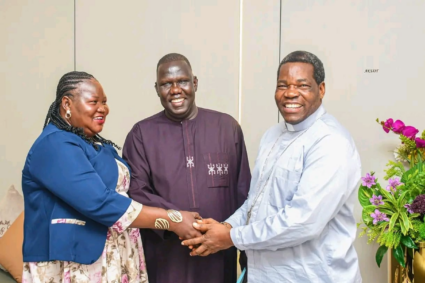
For her part, Legal expert and Commissioner, Pamela M. Tutui also highlighted the importance of training judicial support staff, saying they are the backbone of the judicial system.
He said they interact directly with the litigants from the first moment, and they are responsible for preparing the necessary documents for the progress of the cases and determining the dates of the sessions.
“The quality of performance provided by the support employees greatly affects the course of the judicial procedures, any defect in this initial stage will reflect negatively on the progress of the entire case,” he stated.
Also, commissioner Tutoi added that the speed of deciding cases is a crucial factor in ensuring that litigants obtain their rights.
He said, “Justice delayed is justice denied,” adding that when cases take a long time, litigants feel frustrated and believe that they have not done so. They get a fair opportunity.”
He further explained the importance strong judiciary and its positive repercussions on the economy because it encourages investors to come to the country for investment.
“Investors’ confidence in the judiciary is a factor that attracts foreign investments.”
In light of the serious challenges facing the justice sector in South Sudan, and the impact of wars on the judicial infrastructure, investing in staff training and developing competencies is a crucial step towards building a fair and efficient judicial system.
However, the biggest challenge remains providing the necessary resources to meet the growing needs of the sector and providing an appropriate work environment for employees to enable them to perform their duties to the fullest.