



Marriage and Dowries in South Sudan: A Tradition at a Crossroads

By Suzan Peter Mabuong
In South Sudan, marriage has always been more than just the union of two people, it is a sacred bond, a social contract, a joining of families, and a deeply rooted cultural tradition. Yet in today’s society, what was once a meaningful rite of passage is now increasingly being weighed down by rising costs and unrealistic dowry expectations, leaving many young people discouraged and disheartened.
Across different communities in South Sudan, dowry often paid in cows, goats, and cash has historically symbolized respect, gratitude, and the formalization of a marital union. But today, the same dowry is becoming a heavy burden, turning what should be a joyful celebration into a source of debt, division, and delay.

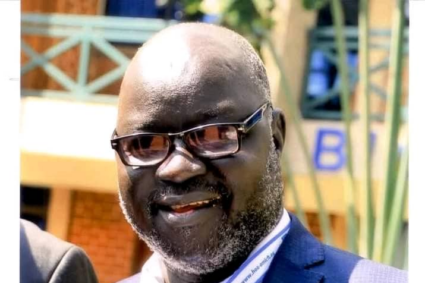
Legge, a professional at Britam Insurance Company, reflects on this growing concern. “Marriage used to be about bringing families together. Now, it’s becoming a business,” he says. “Parents see their daughters as a means to wealth. A young man is expected to come up with amounts as high as $30,000 or more. It’s not sustainable.”
Legge points out that many young couples, overwhelmed by the pressure, now choose to elope rather than go through the expensive and complicated traditional process. While he affirms that a man should be responsible and capable of supporting a family, he also believes there should be room for flexibility.
“In my culture, we used to pay dowry in installments. That kept the families connected. It wasn’t just about the cows, it was about the relationship,” he explains. Legge calls for a return to those values, recommending that communities establish fair dowry standards to make marriage more affordable and meaningful.
Gatluak, from the Nuer community, paints a vivid picture of traditional marriage as a colorful and sacred event. In his culture, marriage ceremonies involve exchanging gifts and vows, and dowries traditionally around 30 cows were once symbols of unity and respect. But like many others, he has witnessed the shift.
“Today, dowries are no longer symbolic. They’re commercial. Families are asking for more, inspired by wealth or competition,” Gatluak shares. “The pressure is too much. Young men delay marriage or avoid it altogether.”
Gatluak also blames modern influences, particularly social media, for reshaping how marriage is viewed. “People now want to live married lives without commitment. The values are fading,” he says. But he is not against culture, he urges communities to update traditions in a way that protects their spirit while adapting to the realities of today.
“Marriage should not feel like buying a house. It’s a covenant, not a contract. Let’s teach our young people that,” he pleads. He believes lowering dowry demands and promoting understanding will help preserve marriage as a respected institution.
From Duk County in Jonglei State, Akuei Bol Akuei of the Dinka Bor (Jieng Bor) community offers his perspective. In his community, dowry is central to marriage negotiations and often includes cattle, goats, money, and other items. The number of cows can range from 30 to 100 or even 500, depending on the family’s social status and agreements.
“Marriage isn’t just between a man and a woman. It’s between families,” Akuei says. “Dowry is part of that connection.”
Yet Akuei acknowledges that things have changed. Lavish weddings, often modeled after those in the capital, Juba have led to unrealistic expectations. “People now want to show off. They think the more cows you give, the more love you show. That’s not true,” he says.
He warns that this mindset has led to intergenerational dowry debts, family tensions, and delayed marriages. “Some young men can’t marry until their older brothers’ dowries are cleared. It’s a cycle,” he explains.
Akuei calls for a shift. “Let’s honor our culture, not abuse it. Dowry should unite, not divide. We need reforms that reflect today’s reality.”
Adding a spiritual lens, Mary Gune Body Micheal from the Baka community in Western Equatoria reminds us that marriage is not just culture, it is divine. “Marriage was created by God to bring joy and unity. Genesis tells us it is not good for man to be alone,” she says.
In her community, dowry includes goats and money, especially if the bride has children. Welcoming the bride with pirinda (white peas) remains a beautiful tradition. But she admits times are hard. “Many youth fear marriage because of the cost. Jobs are few. Expectations are high. Families demand more,” Mary explains.
She believes this is pushing some young people into wrong paths. “We must not let money take away the meaning of marriage. Let our culture serve people not the other way around,” she says.
Mary encourages leaders and families to review dowry practices and promote values that support love, choice, and commitment. “God wants marriage to be joyful, not burdensome,” she says.
The social and economic pressures surrounding dowries also have political undertones. As South Sudan continues to rebuild and develop, the nation needs strong families, supported youth, and cultural practices that promote growth. But when dowry becomes a source of conflict, debt, or inequality, it risks undermining the very foundation of society.
Young people, who should be planning for the future, are instead trapped in fear, frustration, and financial struggle. As a result, many delay marriage, avoid it altogether, or elope bypassing valuable traditions.
What South Sudan needs is balance: traditions that preserve identity and respect, while evolving to meet the realities of today’s world. Communities, elders, religious leaders, and the government all have a role to play in promoting dialogue, setting fair standards, and reminding society that marriage is not for sale, it is a union of love, trust, and family.
In the end, marriage in South Sudan should remain a celebration not a transaction. The cows, the goats, the ceremonies are important, yes. But not more important than the love and future of the couple. Let us return to the roots of marriage: honor, unity, and hope.
Short biography:
Suzan Peter Mabuong is a weekly columnist with ‘The City Review’ on social impact. She is a Ph.D. candidate in Organizational Leadership at Grand Canyon University. Having lived in Canada and the United States for more than two decades before returning to South Sudan, Suzan brings a unique perspective that goes beyond the surface to explore the real stories shaping the nation. Suzan stands firm on the promises of God’s protection: “The Lord will keep you from all harm, He will watch over your life” (Psalm 121:7). Contact Suzan at: beyondtheheadlines.ssd@gmail.com