


EU Launches €4 Million Project to Empower Civil Society in South Sudan

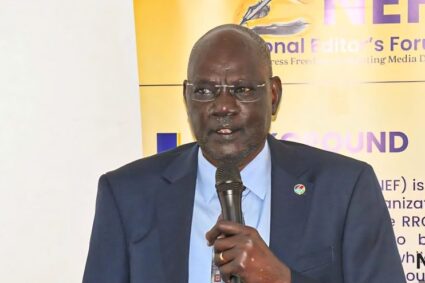
Timo Olkkonen, Ambassador of the European Union, said the project must ensure that policies meet people’s needs and raise awareness.
By Anak Dut
The European Union has launched a €4 million initiative aimed at strengthening the capacity and resilience of civil society organizations (CSOs) across South Sudan.
Dubbed the Support Civil Society Empowerment Project in South Sudan (SUCCESS), the programme is expected to benefit at least 140 civil society, grassroots, and community-based organizations operating across the country’s ten states.
Speaking at the launch in Juba, EU Ambassador to South Sudan, Timo Olkkonen, emphasized that the SUCCESS project is designed to ensure policies and programmes are better aligned with citizens’ needs and realities.
“Civil society plays a pivotal role in achieving the Sustainable Development Goals by holding authorities accountable and representing the interests of citizens,” Ambassador Olkkonen stated.
He called for inclusive participation in South Sudan’s development processes—across economic, social, environmental, and gender-balanced dimensions.
Democracy Under Pressure
Ambassador Olkkonen acknowledged the growing strain faced by civil society in South Sudan due to political instability, insecurity, and state interference.
“The unstable conditions in South Sudan have significantly affected the operations of civil society, particularly those focused on advocacy, transparency, and accountability,” he said.
South Sudan remains ranked among the bottom 25 percent globally in most democracy indices. While there has been some progress in areas like rule of law and access to justice, Olkkonen warned these gains are fragile and often undermined by ongoing challenges such as ethnic tensions and limited funding.
A Call for Legal Reform and Civic Space
In his address, the EU envoy urged the government to expedite the amendment of the NGO Act of 2016 to bring it in line with the Revitalised Peace Agreement and the country’s constitution.
“It is critical to recognize and protect the role of civil society organisations and the sectors in which they operate,” he said. “That means ensuring freedom of expression, operational independence, and regular consultation in national dialogue processes.”
Olkkonen also called on the government to provide more space for CSOs to engage meaningfully in the implementation of the peace agreement, warning that without civic engagement, peace outcomes would remain shallow and unsustainable.
Partnership for Peace and Governance
The EU reaffirmed its long-term commitment to supporting civil society in South Sudan not only through funding but also through technical cooperation, policy dialogue, and shared values of democracy, peace, and human rights.
On behalf of the implementing partner, Saffea Senessie, Country Director for Mercy Corps South Sudan, said the SUCCESS project is tailored to address structural barriers and resource gaps faced by civil society groups, particularly at the grassroots level.
“Our current strategy includes four outcome areas: food security, water security, economic opportunity, and peace and governance. The SUCCESS project falls under peace and governance—recognizing the indispensable role civil society plays in shaping a more just and accountable society,” said Senessie.
He added that the initiative is inclusive and will reach civil society groups across all ten states, ensuring that no region is left behind.
As South Sudan navigates a fragile transition, initiatives like SUCCESS aim to bolster the voice of citizens, deepen civic participation, and support the democratic institutions vital for long-term peace and stability.