


SPLM seeks educated lawmakers ‘capable of building the nation’, says party SG

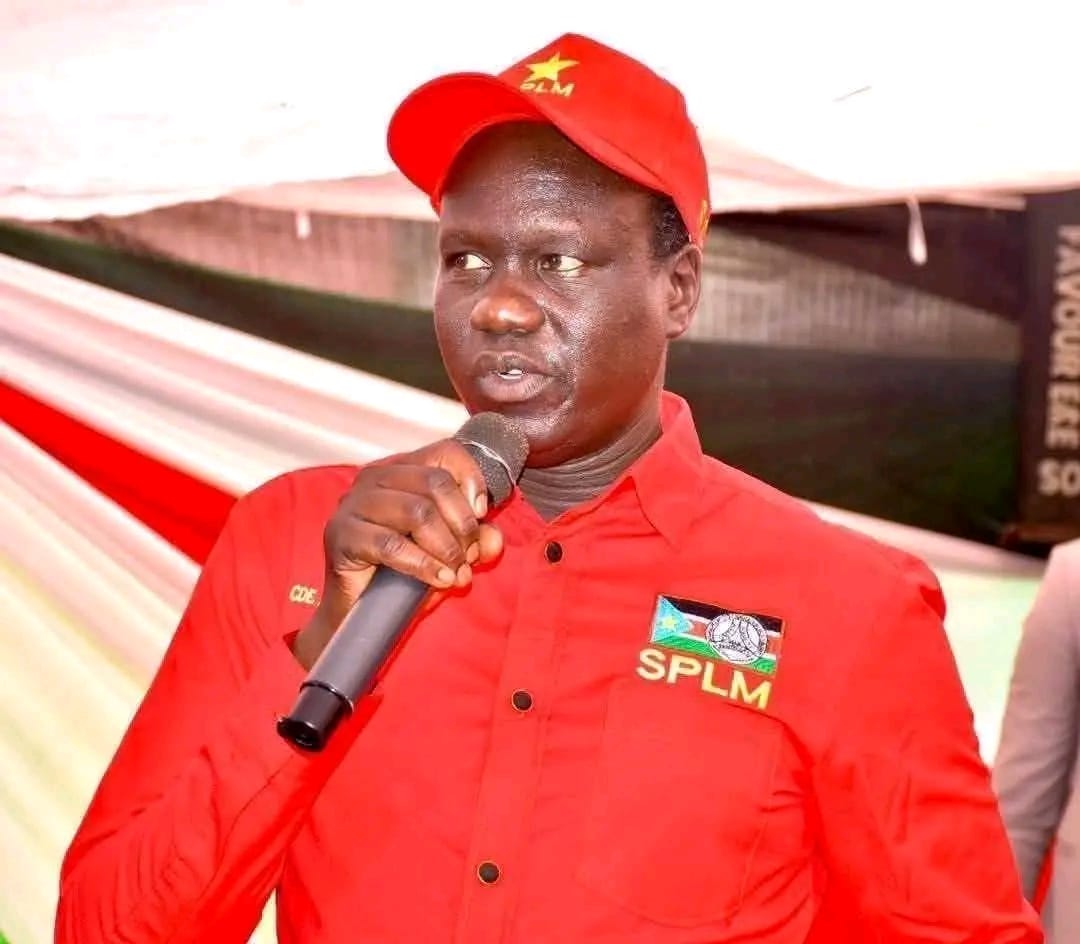
Party Secretary General Dr. Akol Paul Kordit says they will prioritise education and leadership capacity as it prepares candidates for the upcoming general elections.
By Aguok Chok
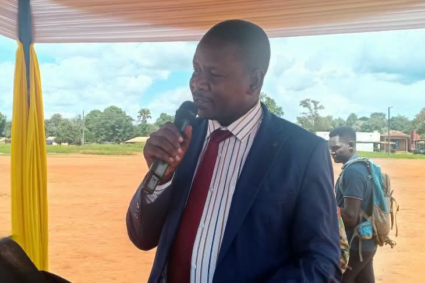
SPLM Secretary General, Dr. Akol Paul Kordit.[Photo: Courtesy]
Sudan People’s Liberation Movement (SPLM) says it wants educated lawmakers capable of rebuilding South Sudan’s economy, promoting national unity and strengthening good governance after years of conflict.
SPLM Secretary General Dr. Akol Paul Kordit said the party would prioritise education and leadership capacity as it prepares candidates for the upcoming general elections.
Speaking about the party’s nomination process, Kordit said South Sudan needed lawmakers who could formulate policies to address the country’s economic and social challenges, including tribalism and regional divisions.
“It will require members of parliament that will be able to discuss and formulate policies that will rebuild the country, rebuild the economy,” Kordit said.
He added that the country needed policies that would support social transformation and help unite communities divided along ethnic, regional and tribal lines.
“Policies that will help our country have a successful social transition from a society divided on ethnic basis, regional and tribal basis, who need lawmakers that understand what the social transformation is, what to be done to deprivalize the country, to remove tribalism, to remove regionalism, to fight for transparency and good governance. This is the type of members of parliament we want,” he said.
Kordit said Parliament would play a central role in rebuilding state institutions, strengthening the economy and promoting national reconciliation as the country prepares for elections.
He noted that South Sudan needed representatives who understood national development policies and could contribute to moving the country away from ethnic and regional divisions.
According to Kordit, the SPLM recorded 848 successful submissions during its candidate nomination process, which ran from October 5 to 9. The nominees include 639 men and 209 women.
He said 343 nominees had indicated they held bachelor’s degrees, 261 master’s degrees, 37 PhDs, 121 diplomas, 66 secondary school certificates and nine postgraduate diplomas. Three nominees reported primary-level education, while eight did not indicate their qualifications.
The party has also asked aspirants to submit copies of their academic certificates to its high-level committees for verification.
“Education is fundamental in our eligibility criteria. It’s very fundamental this time,” Kordit said.
He added that the party wanted candidates who could demonstrate the knowledge and skills required to contribute to national development through Parliament.
Kordit also disclosed that the party had collected SSP 2.544 billion from candidates during the nomination process. He said the money would help finance party primaries and congresses alongside other resource mobilisation efforts.
The secretary general said nomination submissions and payments did not automatically guarantee candidates a place in the general election. Aspirants must undergo screening to establish whether they meet the party’s eligibility requirements.
He said qualified candidates would also be required to sign a loyalty pledge committing them to accept the outcomes of party primaries and congresses.
Kordit warned that aspirants who rejected the results or acted against the party’s decisions could face disciplinary procedures under its code of conduct.
He said high-level committees had already been deployed to Upper Nile and Unity states, with further deployments expected in other areas to ensure that party members outside Juba could participate in the nomination process.
Kordit said the party wanted a fair and transparent process that would produce leaders committed to its vision and values.
He urged aspirants to return to their constituencies and participate in the next stages of the selection process, stressing that paying nomination fees alone did not guarantee election candidacy.