



The South Sudan National Youth Union leadership has said struggles were underway to convince armed youth to lay down illegal weapons to stabilize the country’s security.
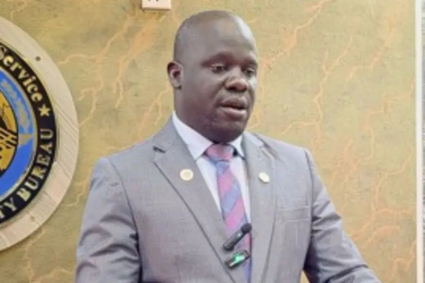
Chuol Samuel, the South Sudan Youth Councilor said the union had undertaken various steps to ensure the goal is achieved alongside government’s planned nationwide disarmament process.
These include collecting youth data, engaging and embowing youth capacity that will enable them to voluntarily surrender guns to the government and taking part in meaningful activities
“There are so many guns in the hands of the youth especially the rural youth raring cattle in the local communities. We are actually engaging them as South Sudan National Youth Union in order to surrender the guns to the government,”
“We are also engaging with the governors in the states to convince the youth that the guns belong to the government and should hand them over to the authorities,” Chuol said.
There have been reports of recurring intercommunal armed clashes linked with rampant guns’ proliferation in the hands of civil population, destabilizing the security of the country.
Speaking in an interview with The City Review last week, Chuol said empowerment and provision of employment opportunity to young South Sudanese would be advantages to ending illegal possession of weapons in the country.
“We are also trying to avail employment opportunities to the youth. We are collecting the data of youth in the country so that they can be employed in both public and private sectors.
“So far we have collected some data that will help our leadership to provide entrepreneurial jobs to the youth through equipping them with entrepreneur skills to enhance their capability and employment chances,” he added.
In October, the Ministry of Youth, Culture and Sport released a report showing 9 out of 10 young people aged between 15-24 lack formal jobs, a major cause of instability in the country.
According to the report, youth constitute over 72 percent of the South Sudan population most of whom reside in rural parts of the country with no access to adequate education facilities and other basic social services.