

Cleto’s Exit: A clash between leadership changes and health sector reforms

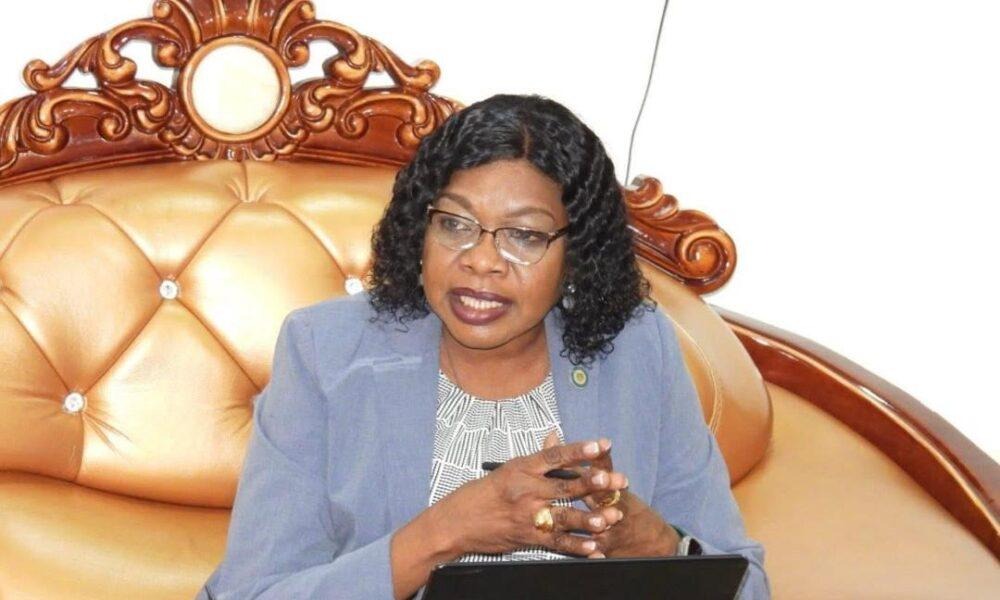
One of the notable women leaders in South Sudan, Sarah Cleto’s dismissal from the health ministry sparks debate on women representation, at a time of pressing health reforms and investor screening
By Emmanuel Mandella
The dismissal of South Sudan’s Health Minister, Sarah Cleto Rial late last week has sparked fresh debate over the state of the country’s fragile health sector, gender representation in government, and the implications of dwindling international support following the withdrawal of U.S.-funded laboratory personnel and equipment.
In a presidential decree announced on state television, Kiir replaced Cleto with Luke Thomson Thoan, a move that came just days after the United States ordered the immediate withdrawal of its laboratory staff and equipment from the National Public Health Laboratory in Juba.
While the government has not provided official reasons for Hon. Cleto’s dismissal, the move comes at a time when the country is undergoing crucial health sector reforms, including in areas targeting the most vulnerable populations, in addition to pressure from reduced internal and external funding to the sector.
Hon. Cleto’s dismissal coincided with a directive from the U.S. Embassy in Juba ordering all American-funded projects to withdraw laboratory personnel and equipment from the National Public Health Laboratory, the country’s main public health laboratory and key referral facility for medical testing.
The decision reportedly followed concerns over alleged interference and the presence of armed personnel at the facility, a situation the U.S Embassy said, ‘create unacceptable risks to Embassy resources and personnel.’
“U.S. Government-funded laboratory personnel, equipment, and associated program activities will be redirected to alternative supported field sites that support U.S. Government-funded health assistance,” the U.S Embassy said in the letter.
Health experts warn that the withdrawal could disrupt critical services, including disease testing, outbreak response, and surveillance systems, at a time when South Sudan remains vulnerable to epidemics.
Meanwhile, the government, alongside its partners, is implementing the Health Pool Fund, a program funded by various development partners that aims to transforming maternal and child health by expanding access and improving the quality of healthcare services.
Through its Implementing Partners (IPs), HPF has reportedly built the capacity of health workers and community members to correctly identify and respond to women and children in need of healthcare. And, saved the lives of countless women and children by delivering better health services.
According to Agar Mayor Gai-Makoon, a South Sudanese health professional based in Cairo, Egypt, the current developments presents a mixed bag of fortunes: a challenge and an opportunity.
“The country’s health system continues to face immense pressures ranging from recurring disease outbreaks and maternal mortality to the persistent gaps in infrastructure and workforce. However, amid these challenges lies a powerful foundation: a network of longstanding agreements and partnerships with international health organizations and donors,” he says.
While acknowledging the range of agreements entered by South Sudan with partners to strengthen its health system through international collaboration, Agar urges the new health minister to seize this opportunity to build on these existing commitments and cultivate a strong, cordial relationship with global health partners.
For prominent gender activist, Rose Atim Anyara, consistent reshuffles of top officials in the health ministry risks derailing the sector. Anyara expressed her worries about the removal of Hon. Sarah Cleto from the ministry, saying it negates the efforts made in achieving gender equality.
“The removal of a female minister from such a critical docket raises serious concerns about the commitment to the two-thirds gender rule. Women are already underrepresented in leadership, and losing one more voice at the top weakens that progress,” she said.
She added that women in leadership positions often face disproportionate scrutiny, despite operating under systemic challenges that affect the entire sector.
During Cleto’s tenure, South Sudan’s health sector continued to face significant hurdles, including underfunding, shortage of skilled personnel, and heavy dependence on external funding.
While some progress was made in coordinating health services and maintaining partnerships, challenges such as limited infrastructure, low staff motivation, and inconsistent supply chains persist across the country.
The latest developments — including leadership changes and donor fund withdrawal — risk further destabilizing an already fragile system.
Meanwhile, the clash between changes at the critical ministries such as health could stagnate the progress in implementation of key programs.
According to Anyara, the success of reforms, such as the Health Sector Transformation Project (HSTP) 2024–2027, relies heavily on the commitment of national leaders to transition from international aid reliance to localized, state-owned management.
Therefore, leadership changes can speed up or delay this transition, often leading to temporary transient initiatives that lack long-term sustainability, she says.
As South Sudan navigates these developments, observers say the focus must remain on sustaining health services, protecting institutional integrity, and ensuring that gains in gender representation are not reversed.