


Can you tell us a bit about yourself—where you come from, your background, and what inspired your journey into leadership?
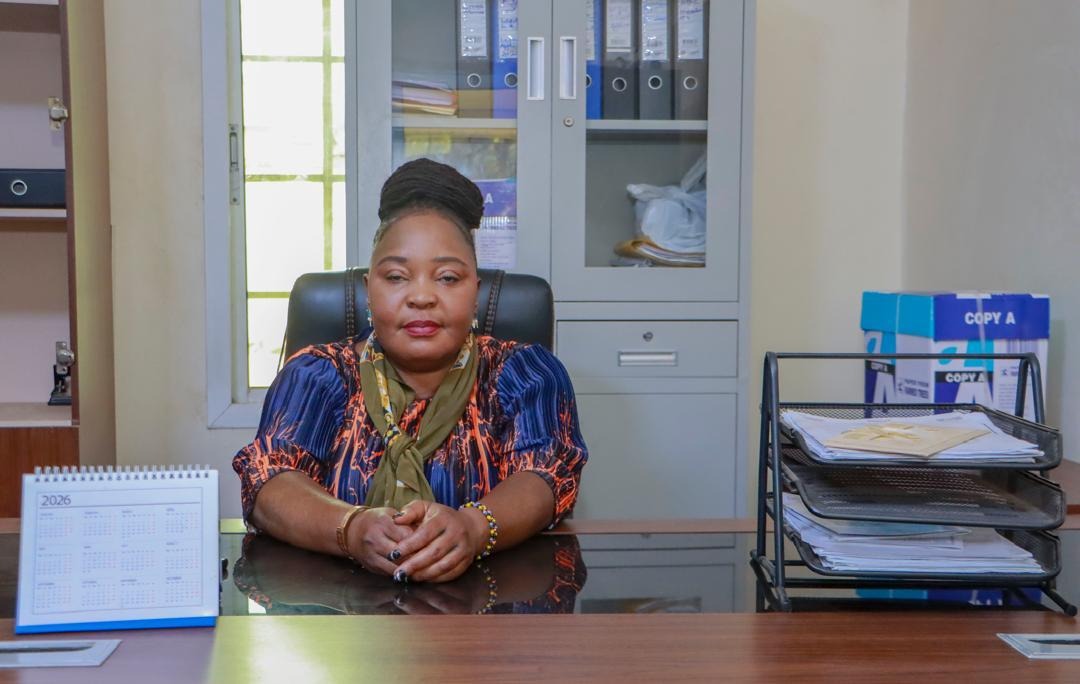
My name is Honorable Alisha Jackline Raphael Sabun. I am from Yei, specifically Lasu Boma and Payam. I studied in Uganda, pursued my primary education in Koboko, and O and A levels at St. Lawrence. I later earned a diploma in Business Administration from the University. My first job was at Bro Reort, where I worked as manager for several years. I also worked with Steward Women Organization, running a project on women’s empowerment.
After that, I took a break to serve the Lord. My entry into politics was not planned. It was a journey guided by God. I faced challenges, especially at the border when returning from Uganda, where light‑skinned South Sudanese were often judged as foreigners. That experience made me determined to one day work in government to clear such misconceptions. The dream was to work in migration to address issues of discrimination based on color or height.
My entry into politics would be made thanks to a friend from Rumbek, a prominent business lady who I worked with for nearly ten years. She lobbied for a government position, and while I wanted to return to business, she introduced me to party leaders. With her support and God’s will, my name was announced. That’s how I entered politics. I would want to be seen as a greenhorn in leadership since I have spent some good time working for organizations, in business or management. In all these areas, I have been serving people.
What early experiences or influences shaped your values and desire to serve?
In 2019, at the height of Covid and during the lockdown, I returned to Yei, where I stayed through 2020 and 2021. I saw my people suffering, vulnerable, voiceless, and facing many challenges. That moved me deeply, and I decided I was ready to serve and stand for them.

Hon. Alisha Jackline Raphael Sabun at the State Legislative Assembly.
How did your community, family or mentors support or challenge your path into leadership?
I received strong support, not only from my family but also from the community. People encouraged me, saying, “Go and represent us, we are behind you.” They cleared my path, standing by me through the experiences.
What personal values guide you in your work and leadership?
Respect and love for people. Whether young or old, everyone deserves respect. Some think that once you receive the honorable title, you no longer need to respect others, but that is wrong. Respecting elders, valuing the community, and loving my people are the values that shape my leadership.
How did your journey into political and public leadership begin?
My political journey began in 2010, even before the revitalized government. It started in schools, especially at university in Kampala, where I joined party activities. So, I began at the school level before moving into national politics.
What positions or responsibilities have you held so far in your leadership journey?
At university, I was a party member. Today, I serve as the Deputy Chairperson for Service and Members Affairs in Yei.
What key achievements or influences are you most proud of?
During recess, we visited the grassroots. Even though we did not provide much financial support, our presence mattered. People appreciated seeing us stand with them, listening to their concerns, and sharing updates about the revitalized government and the current situation.
How has your leadership contributed to your community, especially for women and youth?
Our role as parliamentarians is to hear the voices of the people and present them to the governor and executive, who then implements them. I am still new, but I have already started presenting the concerns of my community. Much more is yet to come, and I am committed to doing it.
With elections approaching, what role do you see women playing in shaping South Sudan’s political future?
Women are the umbrella of peace. We need more women in politics because they are natural peacemakers and advisors. When men dominate politics, wrangles often arise. But women bring calm and reason. Look at Uganda, women are many in government, and it is peaceful. Women can advise their husbands or brothers if they join the wrong party, guiding them with wisdom.
Are you planning to contest for elective positions, and what motivates you?
I cannot say that right now. For me, peace is the priority. When there is peace, everything moves smoothly. Many may say they want to contest, but without peace and security, nothing can be achieved.
What does the 35% women’s quota mean to you personally and politically?
At the moment, I don’t think the quota is fully implemented. If a woman is removed, she is often replaced by a man. Women are missing in many key positions such as commissioners, ministers, and governors. The quota must be respected to truly empower women.
What challenges have you faced as a woman in leadership or politics, and how have you navigated them?
Intimidation is a big challenge. When I try to do something,you find some people sabotaging the efforts. I navigate this through prayer. A leader must be prayerful, God gives strength, speed, and wisdom to do the right thing and fulfill your mission.
How would you describe your leadership style?
My style is flexible and approachable. I can adapt to different situations, and people feel free to interact with me.
What makes your approach to leadership unique and effective?
My uniqueness lies in my social nature. When I enter parliament, people call out my name “Alisha! Alisha!”because they know I bring light and energy. My role is to care for members, listen to them, and take action on their issues.
How do you stay connected to the people you represent?
I have people on the ground who inform me of challenges. If it is a security issue, I alert the authorities to rescue them. Communication keeps me connected to my community.
How do you balance leadership responsibilities with personal life and well-being?
I commit everything to God. As believers, we settle matters before Him, and He gives us grace and speed. As a woman, I also manage family chores alongside office work. With God’s help, I balance both.
What is your vision for South Sudan, especially regarding peace, women’s empowerment, and development?
I want to see South Sudan living in harmony. I want women to rise in politics, business, engineering, and all sectors. Women must be empowered to contribute fully to national development.
What message do you have for South Sudanese women and girls looking up to you?
Join any political party of your choice, SPLM, SSSOA, OPP, SPLM‑IO, where you can express your talent. Be obedient, self‑driven, and goal‑oriented. These qualities will help you become a great leader.
What do you want voters to know about you and your leadership values?
My office is open to everyone. I am ready to learn new skills from my people, to work with them, and to value teamwork. Learning from others is central to my leadership.
What gives you hope for South Sudan’s future?
South Sudan, like many African countries, has been liberated and is establishing itself. We have learned from others, and it is only a matter of time before everything flourishes. I believe South Sudan is going to be amazing.
Utilities
“South Sudan, like many African countries, has been liberated and is establishing itself. We have learned from others, and it is only a matter of time before everything flourishes.”- Hon. Alisha Jackline Raphael Sabun, Representative from Yei.