






By Emmanuel Mandella
The Western Equatoria State Ministry of Health has confirmed a Mpox case, commonly known as Monkeypox, in Ezo County bordering the Democratic Republic of Congo and the Central African Republic, prompting authorities to intensify public awareness and preventive measures across the state.
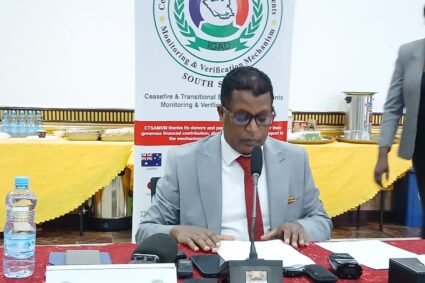
Speaking to The City Review on Monday, the Director for the Expanded Programme on Immunization at the State Ministry of Health, Mr. David Wandu, said the suspected case involves a patient who recently returned from the Democratic Republic of Congo (DRC) before developing symptoms associated with the viral disease.
“Last week, I was in Ezo County following information about a suspected Mpox case. A sample was collected, and from the patient’s history, he had crossed from Congo before falling ill,” Wandu explained.
Mpox is a viral zoonotic disease that spreads through close skin-to-skin contact, sexual contact, bodily fluids, and contact with contaminated materials such as clothing and bedding. The virus can also be transmitted from animals, particularly monkeys, to humans, often through hunting or handling bush meat.
Mpox belongs to a category of viruses that can cross from animals to humans, similar to other known diseases such as Ebola. He noted that cultural practices, including the consumption of bush meat, increase the risk of transmission.
Following the reported case, the State Ministry of Health in Western Equatoria, under the leadership of Hon. James Abdullah Arona has activated a State Task Force, which has been decentralized to the county level to ensure rapid response and monitoring across the state.
“Our Honourable State Minister of Health immediately convened health partners and directed the formation of task forces at both state and county levels to manage the situation,” Wandu said.
He added that public awareness remains a key strategy in preventing the spread of the disease, stressing that early reporting and prevention are critical.
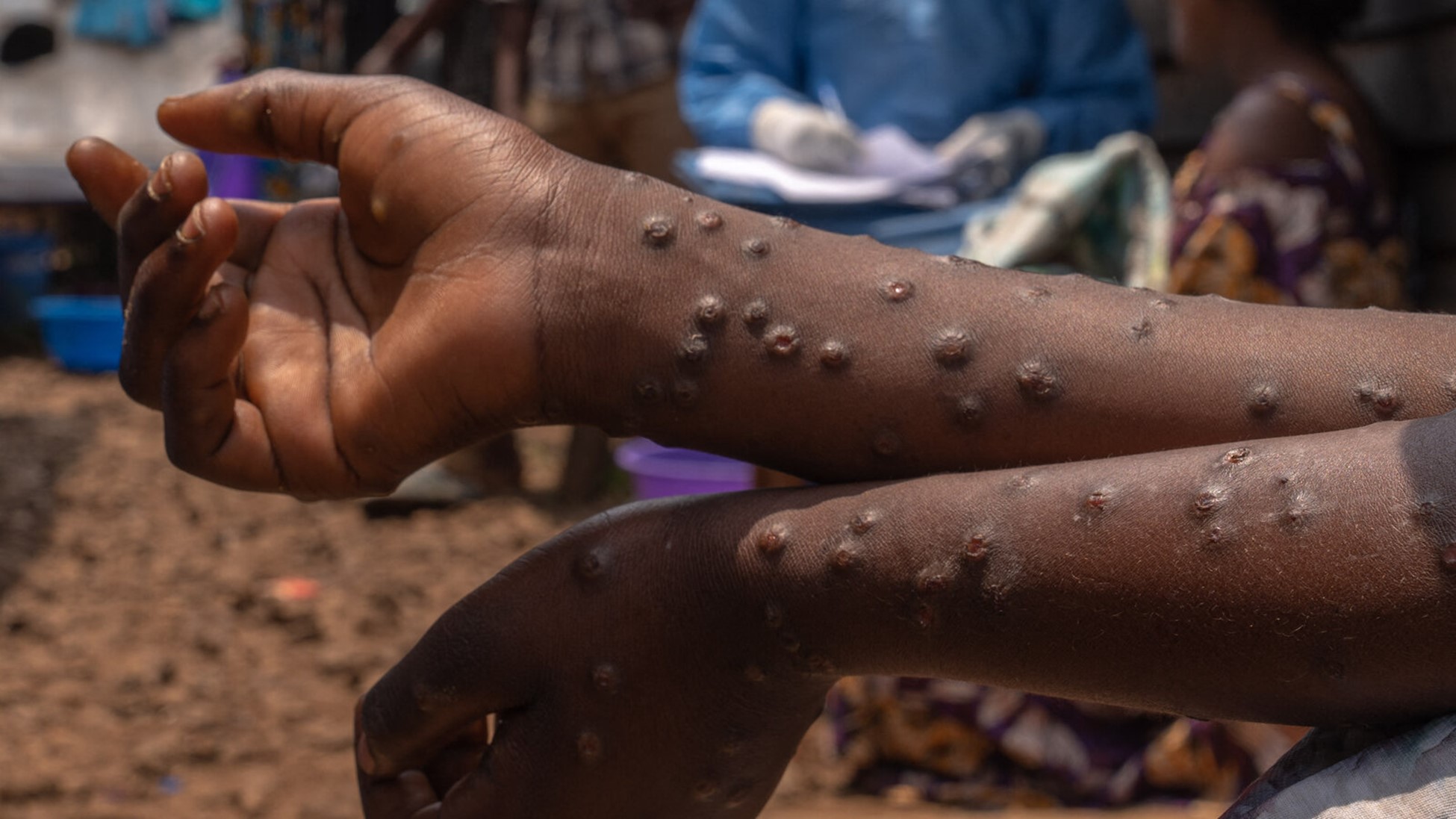
Health authorities warn that Mpox has a long incubation period of up to 21 days, making it difficult for individuals to know whether they are infected. Common symptoms include fever, headache, skin rashes, sore throat, muscle and back pain, fatigue, and swollen lymph nodes.
“Prevention is the key. This virus spreads easily through close contact, and people may carry it without symptoms for weeks,” Wandu cautioned, urging residents to seek medical attention immediately if symptoms appear.
Addressing public concerns, the health official noted that while Mpox has a relatively low fatality rate, it can cause prolonged illness, physical discomfort, and emotional stress, placing an added burden on families and the health system, especially amid the country’s current economic challenges.
The Ministry of Health has called on the public to avoid unnecessary physical contact, practice good hygiene, and cooperate with health workers as authorities continue monitoring the situation.
Residents are encouraged to report suspected cases to the nearest health facility to prevent further spread of the disease.