

South African techie recommends analysing Machar encrypted devices abroad

The digital forensic expert said strong security protections on Dr. Machar’s MacBook laptop and Samsung Galaxy phone have effectively stalled investigators
By Emmanuel Mandella and James Chatim
The growing power of data encryption has emerged as a central obstacle in the high-profile trial of opposition leader Dr. Riek Machar, after a court-appointed forensic expert told judges that critical evidence locked inside seized electronic devices cannot be accessed locally without risking data loss.
Testifying before the special court sitting at Freedom Hall in Juba, South African digital forensic expert Ratlhogo Peter Calvin Rafadi said strong security protections on Dr. Machar’s MacBook laptop and Samsung Galaxy phone have effectively stalled investigators, placing the court at a crossroads between modern technology and the pursuit of justice.
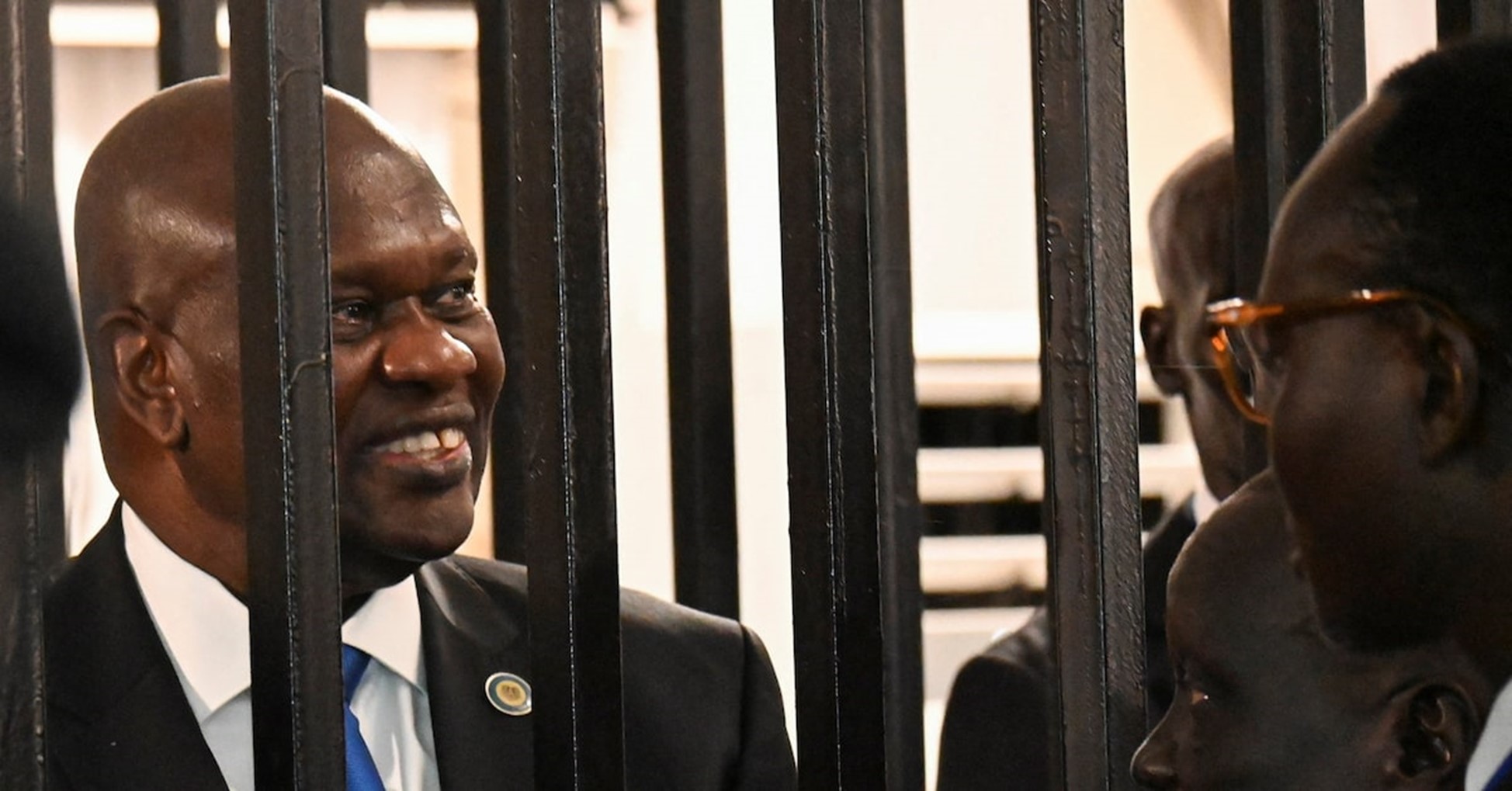
The testimony came during the 50th session of the trial involving Machar and other co-accused facing charges including murder, terrorism, treason, destruction of public property, and crimes against humanity over the March 2025 tragic Nasir attack.
Calvin told the court that while it is technically possible to bypass passwords on the seized devices, doing so would almost certainly destroy the data investigators are seeking; a risk he said would compromise the integrity of evidence.
According to the expert, Apple MacBooks use advanced encryption systems that automatically lock data into inaccessible encrypted partitions when tampering is detected. This, he warned, makes traditional forensic techniques ineffective.
“MacBooks operate with special encryption. Once the password is bypassed without authorization, all folders are likely to move to a special encrypted disk, and the data is lost,” he explained.
The Samsung Galaxy phone, he added, poses similar challenges due to manufacturer-level security safeguards.
Faced with this digital hurdle, the forensic expert made an open recommendation: that the court allow the devices to be sent abroad to their manufacturers’ countries for advanced data extraction.
Calvin informed the court that Machar’s MacBook was manufactured in China, while the Samsung Galaxy phone was produced in India or Vietnam; thus could only be sent to manufacturer authorised facilities to help with safe data access.
“Only the original equipment manufacturer can unlock this device without compromising the data. To protect the integrity of evidence, we did not want to tamper with it,” he said
The proposal introduces an integral dimension to the already sensitive case, raising questions about jurisdiction, evidence handling, and sovereignty even as prosecutors press to move the trial forward.
Calvin emphasized that the court’s duty to preserve evidence outweighs the temptation to rush forensic access.
As the prosecution grapples with the technical issue, the defense team has raised fresh concerns over the handling of forensic reports.
Machar’s lawyer, Deng John Deng, told the court there were discrepancies between the original forensic reports and the copies supplied to the defense.
“The original report of the first accused has 26 pages, while the copy has 28 pages,” Deng said. “There are also differences in content.”
He added that similar inconsistencies were found in reports relating to the second accused, calling into question the reliability of the documentation presented so far.
Presiding Judge Dr. James Alala Deng acknowledged the concerns and ordered that verified copies be printed directly from the original reports and shared with both prosecution and defence teams.
“The court will ensure that all missing pages are made available to both sides,” Judge Deng said.
The court adjourned proceedings to Friday, February 13, 2026, when the defence is expected to begin cross-examining the forensic expert.
The latest digital evidence matter unfolds against the backdrop of accusations that armed militia, White Army, killed 257 SSPDF soldiers, including senior commander David Majur Dak, and destroyed or seized military equipment during the Nasir attack.
Utilities
Faced with this digital data hurdle, the forensic expert made an open recommendation: that the court allow the devices to be sent abroad to their manufacturers’ countries for advanced data extraction.