
South Sudan Bishops condemn brutal civilian massacre, calls for justice

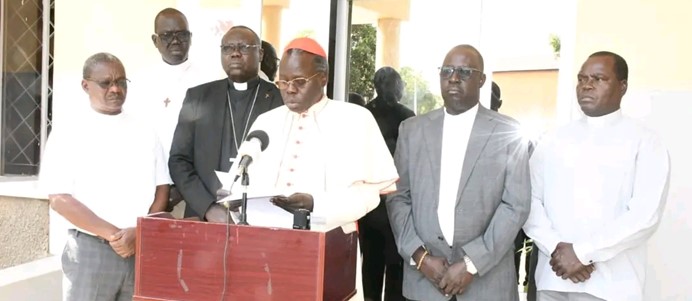
The bishops described the killings as a “fresh descent into the abyss of human depravity,” where the sanctity of life has been trampled with alarming impunity.
By Emmanuel Mandella
In a statement issued on March 2, 2026, the Sudan and South Sudan Catholic Bishops’ Conference (SSSCBC) condemned in the strongest possible terms the recent killings of civilians in Ayod County, Jonglei State and Abiemnhom County in the Ruweng Administrative Area, calling them heinous attacks that violate human dignity, inflame cycles of vengeance, and threaten the fragile future of South Sudan.
The bishops, in a message addressed “to the People of God in South Sudan and to all People of Good Will,” described the killings as a “fresh descent into the abyss of human depravity,” where the sanctity of life has been trampled with alarming impunity.
The latest massacres come amid a sharp escalation of violence across South Sudan, where conflict between government forces, opposition elements, and local armed youth has intensified since early 2025.
In Pankor village, Ayod County, eyewitness accounts and human rights monitors say at least 25 civilians including women and children were lured from their homes under the pretense of receiving humanitarian food aid and then killed in a deliberate ambush on February 21–22. Survivors told international news agencies that armed gunmen broadcast messages over loudspeakers promising food registration before opening fire on unarmed villagers.
International actors, including the European Union, the United States, Canada, the UK, Japan, Germany, and other allies, have condemned what they described as a “deliberate massacre of civilians” and urged authorities to halt hostilities and hold perpetrators accountable.
Simultaneously, more widespread attacks in Abiemnhom County in the Ruweng Administrative Area on March 1 have compounded the crisis, as local officials reported that a pre-dawn assault by unidentified armed youths left at least 169 people dead, including dozens of civilians, local officials, and soldiers, thrusting families into mourning and displacement. Survivors said attackers stormed village areas, igniting buildings and killing residents amid chaotic clashes.
Need for a national and spiritual renewal
In their statement, the Catholic bishops made an impassioned appeal for national and spiritual renewal
“We condemn in the strongest possible terms these heinous and senseless killings. There can be no justification whatsoever for the murder of innocent civilians. Such acts are an offence against God, the Author of Life, and a grave sin against humanity.”
They denounced cycles of revenge and tribal hatred as corrosive to human dignity and social cohesion, and urged South Sudanese to embrace justice, reconciliation, and peace over retaliation.
“Collective punishment is not strength. Blood for blood is not dignity. This mentality must end,” the bishops said, urging Christians and people of faith alike to pray for peace, the conversion of hearts, and the courage of leaders to pursue wisdom and reconciliation.
The statement also contained an urgent appeal to transitional authorities to act “immediately, decisively, and transparently.” It demanded thorough and independent investigation of the killings, identification of perpetrators, and legal accountability, emphasizing that “Impunity feeds repetition. Justice restores trust.”
The bishops’ appeal underscores the deep frustration among South Sudanese who have watched promises of peace falter after the 2018 peace deal, with renewed violence threatening to plunge the country back into conflict and reverse the hard fought gains.
The unfolding violence in Ayod, Abiemnhom, and elsewhere comes at a time when the United Nations and international partners have warned that South Sudan is at a “dangerous point,” with civilian deaths soaring and displacement reaching alarming levels.
SSPDF’s shares regrets, acts
Meanwhile, amid the escalating tensions, the national army (SSPDF), said it ‘regrets the killing of civilians in Ayod County in Jonglei State within its ranks, stating that it acknowledged the serious offence and that some soldiers had been detained in connection to the tragic incident.
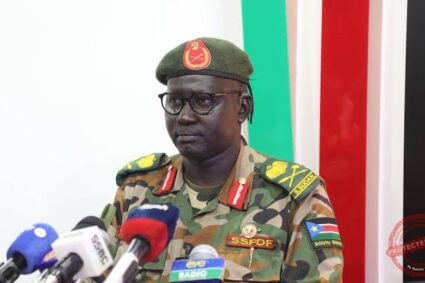
“We regret the loss of life attributed to some elements within the force. Because we do not condone such actions, we took immediate measures; firsts, the suspects were arrested. Second, they will face justice with charges against them,” SSPDF Spokesperson, Maj. Gen Lul Ruai told Eye Radio, adding:
“Sentences will be determined based on their level of involvement in the crimes, with the general court martial determining the burden of guilt.”
With mounting pressure for accountability, it remains to be seen how justice will be handed out to the victims, as the rule of law is upheld.