




Hidden debt? Parliament raises alarm as 9% of National Budget set aside for undisclosed loans


By Emmanuel Mandella
A storm is brewing in parliament after lawmakers raised serious concerns over what they described as a troubling lack of transparency in the country’s public debt, following the allocation of 842.4 billion pounds- nine percent- of the proposed 2025/26 national budget to debt servicing.
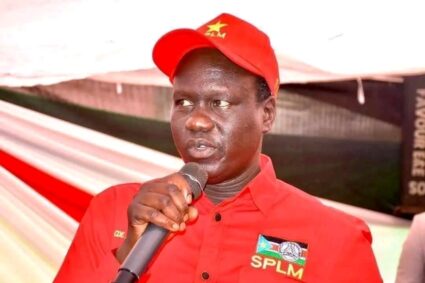
The Chairperson of the Finance and Planning Committee, Michael Ayuen, rang the warning bell on Wednesday during the second reading of the 2025/26 fiscal year budget, questioning why the Ministry of Finance and Planning failed to disclose the country’s total public debt stock and the purpose for which the loans were acquired.
“On public debt servicing in the fiscal year 2025-2026 national budget, the minister of finance and planning allocated 842.4 billion pounds, which is 9% of the total budget, to fund debt repayment,” Ayuen told lawmakers during deliberations.
Ayuen said the allocation was presented without critical supporting details.
“The minister of finance and planning did not clearly state in his speech before the August House the total public debt and the purpose for which it was acquired. This is alarming,” he said.
The 842.4 billion pound allocation represents one of the single largest expenditure lines in the proposed budget, raising questions about how much the country owes, to whom, under what terms, and whether parliament has been fully informed about past borrowing decisions.
Lawmakers expressed concern that allocating nearly a tenth of the national budget to debt repayment without clear disclosure undermines parliament’s constitutional oversight role.
Ayuen warned that the opacity surrounding the country’s debt obligations could have serious implications for fiscal stability.
“This situation may negatively affect the country’s finances and the overall resource envelope if we continue without full transparency,” he cautioned.
The committee is now demanding that the Minister of Finance table comprehensive details before parliament, including the total public debt stock, loan agreements, repayment schedules, interest rates, and the specific projects or expenditures financed by the borrowed funds.
“We urge the minister of finance and planning to table before the August House the details of the loans and the resources,” Ayuen said.
The development has ignited broader debate within the legislature about public financial management and the sustainability of government spending, especially at a time when the country continues to grapple with economic challenges, including inflation, limited revenue streams, and pressure on public services.
Analysts say that while debt servicing is a normal component of national budgets worldwide, transparency remains a cornerstone of responsible fiscal governance. Without clarity on total debt levels and borrowing conditions, it becomes difficult for lawmakers and the public to assess whether the country is at risk of debt distress.
The concerns come amid increased scrutiny of government spending patterns in recent fiscal years. Members of parliament emphasized that transparency in public borrowing is not merely a procedural requirement, but a safeguard to protect national resources and future generations.
Financial governance experts argue that undisclosed or poorly documented borrowing can expose a country to hidden liabilities as well ballooning interests.
Parliament’s intervention signals a growing push for stronger oversight mechanisms and adherence to public finance management principles.
The Finance and Planning Committee reiterated that full disclosure is essential for restoring confidence in budget processes and ensuring that public funds are managed responsibly.
Ayuen underscored that parliament’s role is not to obstruct government operations, but to guarantee accountability.
“Our responsibility as representatives of the people is to ensure that every pound borrowed and every pound spent is properly accounted for,” he said.
As debate on the 2025/26 budget continues, all eyes will be on the Ministry of Finance to see whether it responds to parliament’s call and shed light to the taxpayers over the emerging concerns.