



The East African Community has urged South Sudan to speed up its integration process into the bloc.
This came up during a three-day discussion of the East African committee of customs in Juba. During this event, stakeholders found out how far South Sudan had gone with the custom integration after the grace period given expired in 2019.
The meeting brought together stakeholders from the South Sudan women entrepreneurs association, Chamber of women entrepreneurs, civil society, investment community including directorate of custom,
Ministries of East African Affairs, Trade and industry, and Investment.
Speaking to the City Review, the East African Legislative Assembly (EALA) members said little had been done by South Sudan to join the EAC customs union.
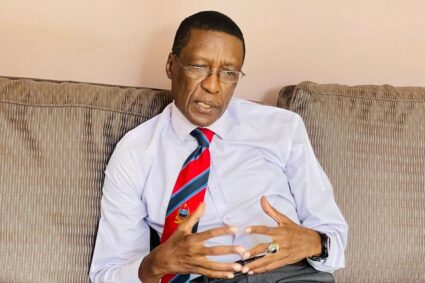
Kenya’s EALA representative Abdikadir Omar Aden regretted South Sudan’s inability to export to other neighbouring countries.
Omar said since joining the East African Community, they were yet to see progress made by South Sudan in the exportation of goods.
Should start exporting
“We would want to see a South Sudan that is exporting to the rest of East Africa countries, selling goods and services out of South Sudan into the rest of the countries. We are receiving reports that South Sudan is not exporting; we want this to change, we want South Sudan to also benefit from the trade within the region,” Omar said.
“It is not good for trade to be one-sided. So this is one of the aspects of terms of trade and we are seeing [that] a lot needs to be done,” the lawmaker said.
Infrastructural development remains the biggest challenge for traders within the region when it comes to importing goods and services to South Sudan- one of the main objectives of EAC is yet to perfect.
Omar said the delay in implementation of the Nadapal road project that connects Kenya to South Sudan was hindering trade activities between the two countries.
“That project is so critical to the East African community, [and] is a project that we want to see coming up quickly so that it can benefit the people of South Sudan,” Omar stressed.
Omar pointed out that implementing officers from South Sudan need to be trained to achieve harmonisation of tariffs at the South Sudan border noting the implementation is not yet perfected.
“We want to see a commonality in terms of harmonising tariffs so that when a trader buys a commodity even if it is just here for South Sudan, Kenya, or Uganda, then there is a commonality in terms of tariffs,’’ Omar stressed.
The lawmaker reiterated that all the views from South Sudan’s stakeholders will be debated in Arusha to ensure there is progress in South Sudan in terms of implementation.
“So when we go back we will know that we need to allocate more resources to South Sudan to enable them to make the journey of the implementation much faster.
What we are doing today is the oversight to see how far the laws and policies that have been agreed in Arusha have been implemented,” said Omar.
More grace period
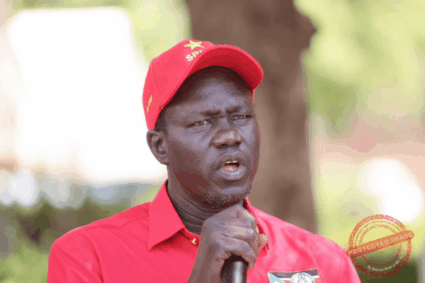
Meanwhile, South Sudan EALA representative Gideon Gatpan Thoar requested the country to push for a grace period of three years.
The grace period given to South Sudan got expired in October 2019 but there has been no communication from South Sudan whether she wants to extend the grace period or to fully integrate the custom administration into East African Community, Gatpan said.
“So we are coming to find out to what extent has South Sudan integrated custom administration to the EAC customs union. Are there challenges, achievements, or what procedural opportunities South Sudanese are seeing in joining the EAC,” said Gatpan.
Gatpan said several directives were made by the EAC Council of Ministers directing South Sudan to implement the EAC customs union and common market protocol.
“At least there were four directives from the council of ministers and also a directive from the summit of the heads of states and because of those directives, we as an oversight body need to see how partner states are implementing programs of the EAC,” he said.
However, Gideon said there was progress though South Sudan has not responded to EAC on its position after the expiry of the grace period.