





As telecommunication becomes indispensable for economic growth in many parts of the world, in South Sudan the recent hikes in tariff by both MTN and Zain are frustrating subscribers.
Besides limited network coverage, they say making calls sometimes is difficult due to poor and weak network with majority of population in rural areas of South Sudan lacking access to network.
“We cannot say we have good network. Even here in Juba, I do experience regular call drops,” John Masmino, 52, a Juba resident from Ezo County of Western Equatoria said. “Why should they increase the tariffs when the network is very poor all the times?”
“I am frustrated by the kind of network we have here in South Sudan. I cannot communication with my family in the village because there is no network there,” he added.
Until 2017, South Sudan had three main mobile network companies, covering most parts of the country with the most reliable one being Vivacell, which covered virtually the whole country.
In March 2018, Vivacell was shut down by the government for alleged non-compliance to regulations and MTN and Zain remain the country’s only mobile network operators.
Recently, the telecoms unilaterally hiked tariff rates to 12 SSP per minute by February 15th 2021 to the annoyance of subscribers.
According to the recent tariffs adjustment notice by MTN, subscribers will be gradually charged per minute at 9.40 SSP effective from November 15, then climbs to 10.40 SSP and 12 SSP in January 15 and February 15 respectively.
On international calls, 23.50 SSP and 26.50 SSP per minute will be charged on November 15, 2020 and January 15, 2021 respectively before it reaches 30 SSP per minute in February 15 2021.
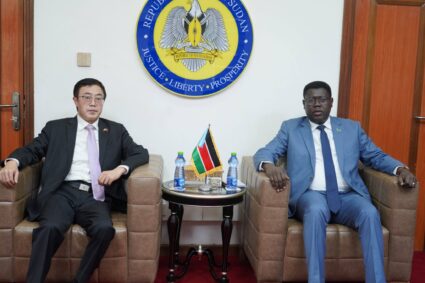
The Managing Director of National Communication Authority (NCA) Adok Gai says mobile network operators are supposed to deliver services that are efficient and affordable while adhering to laws and agreed standards and universal procedures adding the recent move was not a tariff increment.
“What we have agreed with MNOs is not tariff increase as it appeared in various media discussions but a tariff rates adjustment because the tariffs were set in USD as a global practice and are converted into local currency.
“In order to protect our public, the NCA regulate these exchange rates to address the inflation,” Adok says in an email conversation with The City Review.
Adok adds “these tariffs were set in 2016 by the board of directors of NCA when the dollar was exchanging for 170 ssp. Overtime, the NCA restricted the mobile operators not to use commercial bank rates as it would be very expensive for the end-users.
In the interest of the public, Adok says the board of the NCA regularly reviews and adjusts exchange rates while the tariffs remain constant.”
However, Sarah Juan, 42, resident of Jonduru residential area of Juba suburb says though it is not a tariff rates increment, the adjustment makes calls expensive and wishes Vivacell comes back for it had empathy on subscribers.
“They do not care about the interest of the subscribers. People are overcharged and the network remains poor. Especially Zain, it will even be better for us to stay as in the 1990s without phones,” Juan says.