


NBG State approves $2.5 Million health budget to strengthen health services

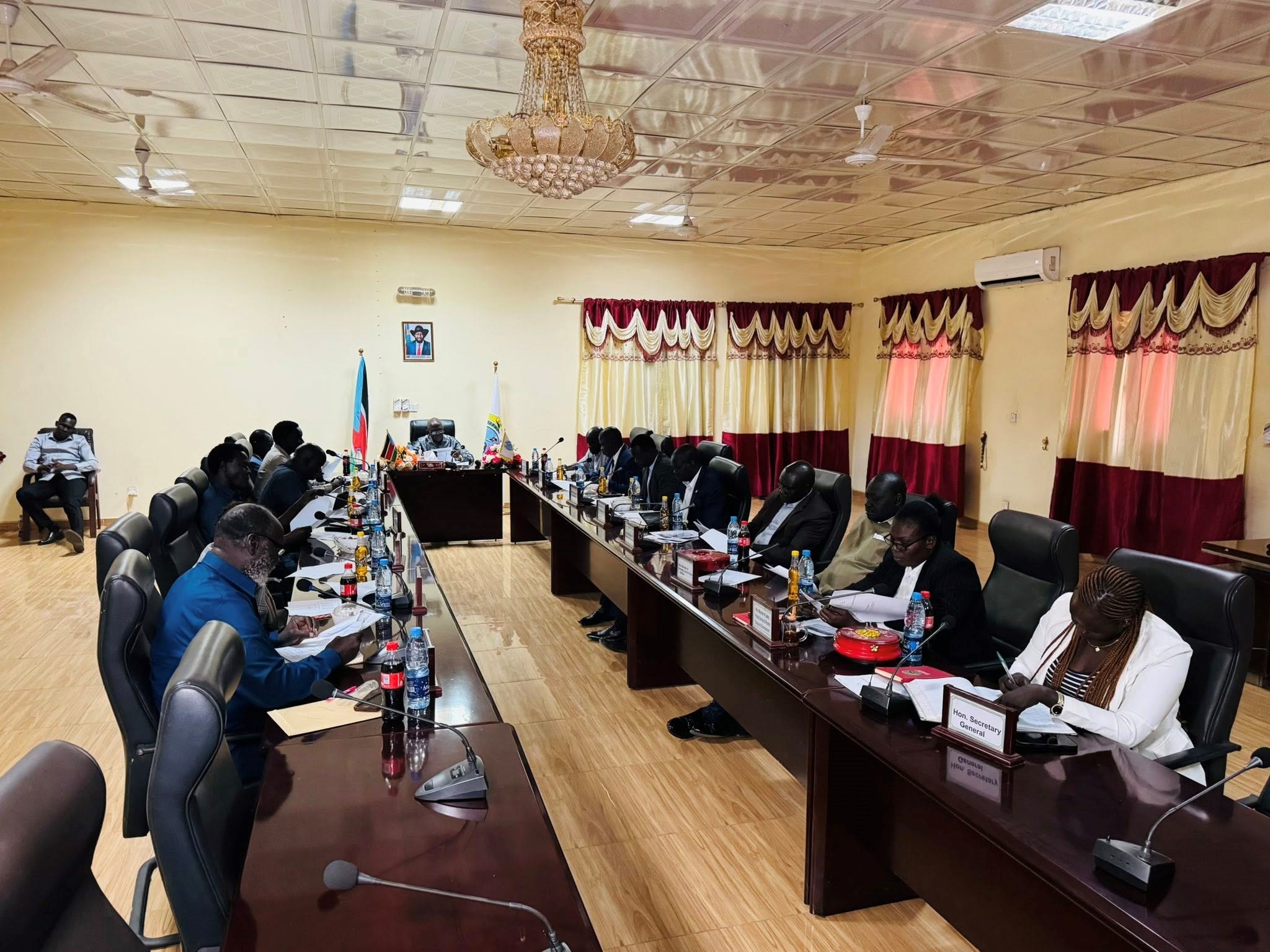
Funds will be directed toward procuring essential medicines, supporting health workers, improving data management systems, and strengthening service delivery in both urban and rural health facilities.
By Emmanuel Mandella
The Government of Northern Bahr el Ghazal State has approved a USD 2.5 million annual operational budget for the Ministry of Health, a move authorities say will strengthen healthcare delivery, improve access to essential medicines, and address longstanding gaps in hospitals and primary health facilities across the state.
The funding was endorsed during the Third Ordinary Council of Ministers sitting for 2026, chaired by Governor Gen. Charles Madut Akol, following the presentation of a detailed memo by State Minister of Health Dr. Riny Riny Lual outlining the ministry’s priorities for the 2025/2026 financial year.
Officials described the approval as a critical intervention aimed at restoring confidence in the state’s fragile health system, which has been grappling with shortages of drugs, limited staffing, weak infrastructure, and poor service delivery.
According to the Ministry of Health, the newly approved funds will be directed toward procuring essential medicines, supporting health workers, improving data management systems, and strengthening service delivery in both urban and rural health facilities.
Health officials say the plan prioritizes primary healthcare centers, where most residents seek treatment, particularly in remote areas where access to medical services remains limited.
Governor Madut emphasized that improving the health sector is central to the state’s development agenda.
Addressing systemic challenges
The operational plan is guided by the six health system building blocks leadership and governance, health workforce, medical products and technologies, health information systems, service delivery, and health financing — a framework authorities believe will bring structure and accountability to the sector.
For years, health facilities in Northern Bahr el Ghazal have struggled with inadequate funding, forcing patients to travel long distances or rely on under-resourced clinics. Officials hope the new budget will help reverse that trend by strengthening management systems and ensuring more predictable financing.
While the state government will provide the bulk of the funding, authorities acknowledged that international partners, local communities, and the private sector will play a complementary role in implementation.
The move reflects a growing push for greater domestic responsibility in financing essential services, as reliance on external donors becomes increasingly uncertain.
Health experts in Aweil welcomed the decision, saying sustained government investment is necessary to reduce preventable deaths and improve maternal and child health outcomes.
Residents have long complained about drug stockouts, lack of qualified staff, and overcrowded facilities, challenges that have undermined confidence in public healthcare.
State officials believe the new allocation will enhance patient care, reduce referrals to distant hospitals, and improve working conditions for medical personnel.
Governor Madut called on all stakeholders to ensure transparency and proper utilization of the funds.
The approval of the health budget comes at a time when many states across South Sudan are struggling to maintain basic health services due to economic constraints, making Northern Bahr el Ghazal’s allocation a significant step toward strengthening healthcare at the subnational level.