




Families surviving on leaves and seeds, Save the Children reveals sorry state in Jonglei

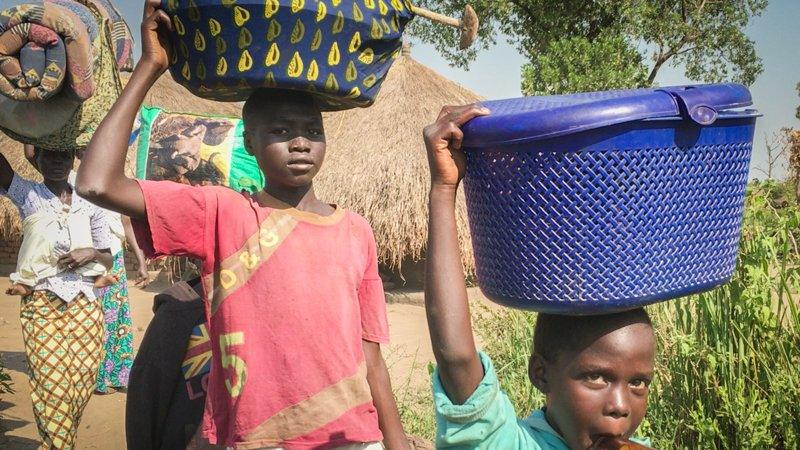
Humanitarian body says thousands of children and families in eastern South Sudan are facing severe food shortages after three months of intensified conflict disrupted aid operations and forced humanitarian agencies to suspend services in several areas.
By Riak Chol
Families in parts of Jonglei State are surviving on leaves, water lilies, and seeds meant for planting as escalating violence, displacement, and flooding drive communities toward famine conditions, according to international aid agency Save the Children.
In a statement released Tuesday, the humanitarian organization warned that thousands of children and families in eastern South Sudan are facing severe food shortages after three months of intensified conflict disrupted aid operations and forced humanitarian agencies to suspend services in several areas.
The agency said many communities in Jonglei have been left without access to life-saving assistance following government evacuation orders and growing insecurity that forced aid workers to withdraw from some of the hardest-hit locations.
Save the Children suspended operations in Akobo East, a key refuge for people fleeing violence, and relocated staff due to deteriorating security conditions. The move followed an earlier suspension of activities in Walgak after armed groups looted and vandalized the organization’s office, destroyed a healthcare facility, and seized three vehicles.
Aid workers operating in neighboring counties reported alarming accounts of families struggling to find food as conflict and flooding continue to worsen living conditions.
“In some parts of the state, families and children are surviving on leaves and water lilies collected from swamps and seeds reserved for planting,” the agency said, adding that mothers are walking long distances through flooded areas in search of anything edible for their children.
The worsening food crisis has also had a devastating impact on education and child protection. According to Save the Children, thousands of children are no longer attending school, while others are being pushed into labor or early marriage as families struggle to cope with the crisis.
The warning comes as the latest Integrated Food Security Phase Classification (IPC) analysis identified four counties, including Akobo and Nyirol in Jonglei State, as being at risk of famine. The report estimates that more than 7.8 million people across South Sudan are facing acute food insecurity.
The IPC further projects that about 2.2 million children under the age of five will require treatment for acute malnutrition, including nearly 700,000 suffering from severe acute malnutrition, the most life-threatening form of hunger.
At Bor State Hospital, where Save the Children supports nutrition services, health workers say the number of severely malnourished children is already unusually high for this stage of the rainy season.
“We have over 60 children who are severely malnourished right now,” said healthcare worker Tabisa Ajer. “This year is more dangerous than previous years. Insecurity is impacting food cultivation.”
Save the Children Country Director Chris Nyamandi called for urgent action, stressing that the crisis can still be prevented from worsening. He urged all parties to protect civilians, ensure humanitarian access, and increase support for communities affected by conflict, displacement, and hunger.
Utilities
“We have over 60 children who are severely malnourished right now. This year is more dangerous than previous years. Insecurity is impacting food cultivation,” said healthcare worker Tabisa Ajer.