



The Other Political Parties (OPP) have called for the extension of the transitional period to give the parties more time to accomplish the critical tasks in the peace agreement.
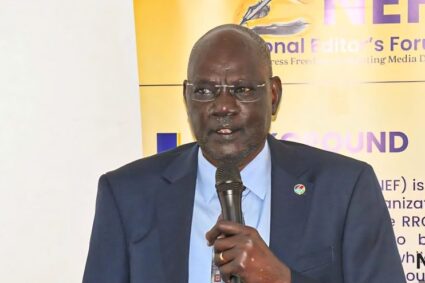
Albino Akol, the spokesperson of OPP said the parties to the revitalized peace agreement should be given more time to implement unaccomplished provisions of the agreement.
Albino Akol, who spoke to The City Review in an interview, stated
However, he said the extension should base on consensus particularly on the details of the pending tasks for them to implement within the specified time.
“When we give ourselves time, we must first agree on the time. We don’t leave anything without agreement until we go there. We agree on all these issues that we will implement only for implementation and not for another negotiation,” Akol said.
“So, if we are given time and this is what we are expecting, then we will discuss what these tasks are supposed to do. How much time that it will take, and then we have to agree on details now before we can put the time,” he added.
“We don’t want to deal with the same issue that we did the other time, when we failed to come up with a solution. We don’t only need to discuss the time to extend but we need first to discuss the tasks, agree on the details, and then calculate the time,” he argued.
The spokesperson reiterated that it was easier to complete the tasks in the agreement that are not fully implemented when parties agree on the details of the remaining tasks including their specifications, the time frame to extend the term of the current government.
He added that parties can use the time allocated for implementing each chapter in the agreement by identifying those tasks that were not implemented during the pre-interim period and the transitional period to calculate the time needed to complete them.
Akol said the provisions such as the security arrangement where parties disagreed on the command and the seventeen months allocated to carry out the process of permanent constitution making, which needs to be agreed on first before any extension.
“When we gave ourselves pre interim period on first pre-interim period, then we came and agreed again to extend it for another period. We also failed to do them all. Then finally, we agreed to extend it for another one hundred days until we implemented some of them and now, we remain with a few,” he explained.
“We went into a transitional period with some tasks from the pre-interim period which, up to date, some of them have not been implemented. So, it means if we are given the time to implement them, we will do it as long as there is a will,” Akol said the issue of command in the security arrangement was not properly explained in the agreement which he said it was the reason why the parties disagreed until they had negotiated it.
“I want to say that some of the reasons why we failed to address issues on time is because the agreement did not explained everything. So the agreement left some issues for parties to come and agree,” Akol said.
“Parties came and disagreed and took a lot of time to agree on them so the same situation can continue even if we are given some time. Yeah, we can commit ourselves that we will do it but if there are issues that are not well explained, then we will also take time,” he explained.