

Healing Invisible Wounds: The Urgent Call for Mental Health Awareness in South Sudan

After decades of civil war, displacement, and poverty, South Sudan stands today not only as a nation rebuilding its infrastructure but as a people silently battling an invisible enemy, mental illness. Behind the smiles and resilience of South Sudanese communities lie unhealed emotional wounds, invisible scars of war and migration that have lingered for generations.
While bullets have stopped in many parts of the country, the war within, the war of the mind still rages on. Across cities and rural areas, countless South Sudanese men, women, and children live with the lasting effects of trauma. Soldiers who once fought at the frontline now suffer from post-traumatic stress disorder (PTSD), haunted by memories of violence. Widows and orphans live with the pain of loss. Refugees who once fled to neighboring countries have returned home carrying the heavy burden of both survival and memory.
Yet, in many communities, mental illness remains misunderstood, ignored, or dismissed as a curse.
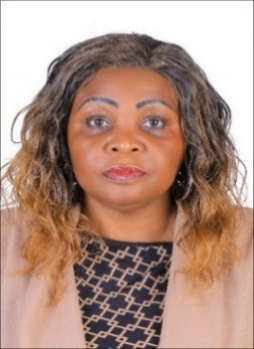
“In our society, when someone shows signs of trauma or depression, people often whisper that they are possessed or cursed,” says Mary Gune Body, a women and children advocate based in Juba. “We grew up believing that mental illness is not real sickness. But it is real, and it is destroying lives silently.”
The Lingering Shadows of War and Displacement
For decades, South Sudanese endured displacement, hunger, loss, and insecurity. Entire generations grew up in refugee camps, where survival overshadowed healing. Many returnees today find it difficult to adapt to the fast-changing social and economic environment.
The trauma of war has been passed down like an inheritance, affecting even those born after the conflict. Urban centers like Juba, Wau, and Malakal are filled with young people facing unemployment, poverty, and hopelessness conditions that deepen mental distress. In rural communities, where counseling and medical services are scarce, the situation is even worse.
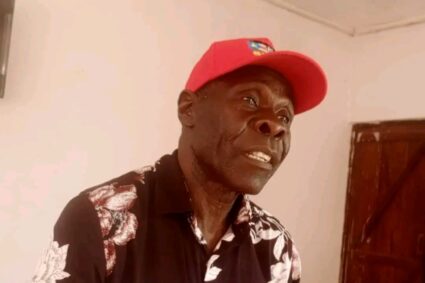
“War does not end when the guns fall silent,” says Chan Deng, a community advocate and youth mentor. “It continues in the hearts and minds of the survivors. We see it in alcoholism, domestic violence, and hopelessness among our youth. Healing the mind must be part of rebuilding our nation.”
A Silent Crisis with Spiritual and Social Dimensions
In South Sudan, faith plays a central role in daily life. Churches are places of refuge for many who suffer silently. But even in these spiritual spaces, mental illness is often misunderstood. Some pastors preach deliverance rather than professional counseling, leaving many believers torn between faith and science.
“As a woman of faith, I believe that God heals,” says Adut Garang Deng Nyang, an activist and Christian counselor. “But I also believe that God uses doctors, therapists, and counselors as instruments of healing. Prayer is powerful, but it must go hand in hand with psychological support.”
Spiritual misunderstanding has left many families unable to recognize mental disorders. Some isolate loved ones who show symptoms of depression, anxiety, or trauma. Others resort to harmful traditional practices. In the process, countless lives are lost to suicide, addiction, and neglect.
The Economic and Political Weight of Mental Illness
The economic impact of mental illness in South Sudan is rarely discussed, yet it is immense. Depression and trauma reduce productivity, weaken families, and increase poverty. Many former soldiers cannot reintegrate into civilian life. Young people without jobs or purpose become vulnerable to violence, crime, or substance abuse.
The lack of national mental health programs worsens the situation. South Sudan has very few trained psychologists and psychiatrists. Hospitals are unequipped to handle mental health cases, and the few existing units are overcrowded and underfunded.
While the Ministry of Health has made some efforts, mental health remains far from a national priority, and this silence is costing lives.
Breaking the Stigma: What Must Be Done
Healing South Sudan requires more than physical reconstruction; it demands emotional and psychological recovery. The first step is to acknowledge mental illness as real and treatable.
1. Government Action:
The Ministry of Health should integrate mental health into primary healthcare. Medical training must include psychiatry and trauma care. Awareness campaigns can teach communities that mental illness is not a curse but a condition that requires care and compassion.
2. Community Engagement:
Churches, schools, and local organizations should create safe spaces for open conversations about mental health. Advocates like Chan Deng and Mary Gune are already leading the way, but they need both government and international support.
3. Faith-Based Initiatives:
Religious leaders must learn to handle trauma sensitively. Faith and science should work together pastoral counseling alongside professional therapy to promote complete healing.
4. Education and Media Awareness:
The media can reshape public perception through radio programs, television, and social media campaigns that spread messages of hope and understanding.
5. Support for Returnees and Survivors:
Many returnees struggle with adjustment and trauma. Establishing community counseling centers in returnee areas can offer psychological support and help reintegrate families.
A Call to Compassion and Healing
The time has come for South Sudan to recognize mental health as a national issue. The trauma that once divided the nation must now become the reason to unite in compassion. Healing begins when we listen, when we care, and when we replace stigma with support.
“We cannot build a peaceful nation while our people are suffering in silence,” says Mary Gune Body. “Peace is not only about guns, but it is also about peace of mind.”
Indeed, a truly peaceful South Sudan is one where citizens are not only free from war but also free from the torment of unhealed pain. The battle for mental health is the next great struggle a fight for the soul of the nation.
As Adut Garang Deng Nyang reminds us, “Healing the mind is not weakness, it is strength. It is the foundation for a better, kinder, and stronger South Sudan.”
The invisible wounds of war may not bleed, but they ache deeply within the hearts of our people. To ignore them is to allow the past to control the future. To confront them is to begin a new chapter of national healing, one rooted in understanding, compassion, and faith.
Only then can South Sudan rise, not just as a country rebuilt, but as a nation restored in both body and spirit.
Short biography:
Suzan Peter Mabuong is a weekly columnist with ‘The City Review’ on social impact. She is a Ph.D. candidate in Organizational Leadership at Grand Canyon University. Having lived in Canada and the United States for more than two decades before returning to South Sudan, Suzan brings a unique perspective that goes beyond the surface to explore the real stories shaping the nation. Suzan stands firm on the promises of God’s protection: “The Lord will keep you from all harm, He will watch over your life” (Psalm 121:7). Contact Suzan at: beyondtheheadlines.ssd@gmail.com