


Bakosoro: Frequent demands for change of WES affecting development

By Emmanuel Mandella
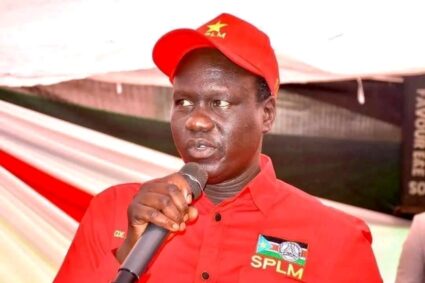
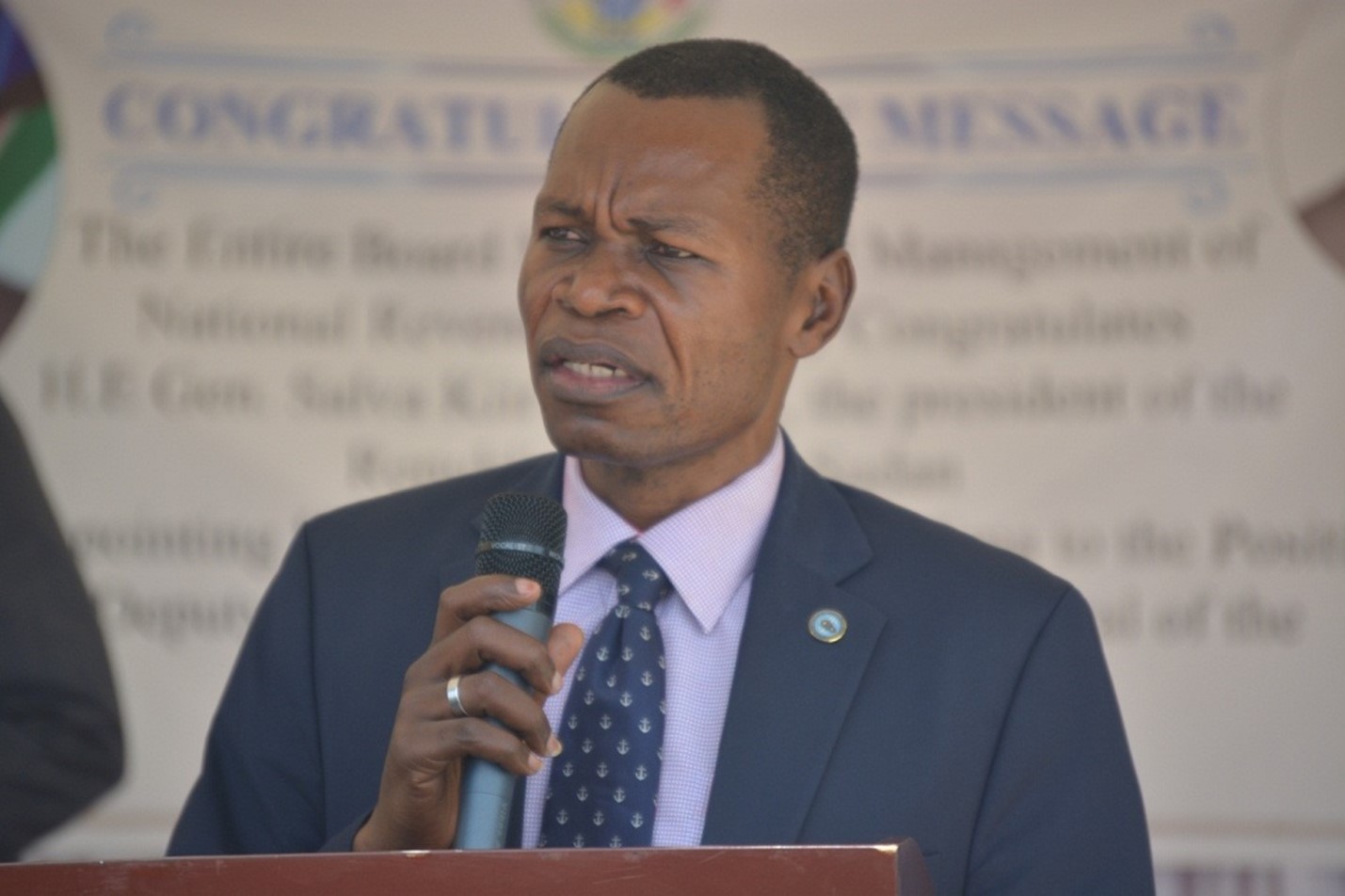
A senior member of the Sudan People’s Liberation Movement (SPLM) and former Minister in the Office of the President, Bangasi Joseph Bakosoro, has cautioned citizens in Western Equatoria State against what he described as a growing trend of frequent demands for the removal of governors.
He warned that such actions could undermine stability, peace, and development in the state.
Bakosoro made the remarks last week during a public gathering held to mark the installation of the newly appointed governor of Western Equatoria State, Daniel Badagbu Rimbasa.
Addressing a large crowd of residents, political leaders, and community representatives, the veteran politician urged citizens to embrace patience and constructive engagement with government leadership rather than calling for constant leadership changes.
He emphasized that stability in leadership is essential for sustaining peace and promoting development in a state that has experienced years of insecurity and political tensions.
“Western Equatoria cannot move forward if every time a governor is appointed, people immediately begin demanding his removal, leadership stability is very important for peace, reconciliation, and development. We must give leaders time to serve and work with them for the benefit of our people,” Bakosoro said.
Bakosoro who once time served as governor of Western Equatoria State, warned that celebrating the removal of governors or repeatedly sending complaints to the national government in Juba could weaken governance structures and slow down development efforts in the state.
According to him, the future of Western Equatoria depends largely on unity and cooperation among citizens, leaders, and institutions.
He called on community leaders, church leaders, youth groups, and organized forces to support the newly appointed governor rather than spreading accusations that could destabilize the administration.
“I want to appeal to all citizens, community leaders, church leaders, and organized forces to work together with the new governor, stop sending false allegations to Juba aimed at removing him. Instead, sit down together and discuss the way forward for peace and development in our state,” he said.
Bakosoro stressed that disagreements with government policies or leadership decisions should be addressed through constitutional and institutional channels rather than public pressure or anger. He encouraged residents to engage constructively in political processes and dialogue with authorities.
“Citizens must learn to use the proper channels when they are dissatisfied with governance, we should engage in dialogue, use local authorities, and participate in civic processes instead of resorting to public outcry every time there is a misunderstanding,” he said.
While calling for public support for the new governor, Bakosoro also advised the state leadership to remain accountable and responsive to the concerns of the people. He urged the governor to maintain open communication with citizens and to listen carefully to their needs and expectations.
“At the same time, the governor must listen to the voices of the people and remain honest with the community, leadership is about trust and transparency,” Bakosoro added.
Western Equatoria State has experienced several leadership transitions since South Sudan gained independence in 2011, with changes in governorship often linked to wider political developments at the national level.
Political observers say the frequent leadership changes have sometimes slowed development initiatives and complicated reconciliation efforts in a state that has also faced security challenges in recent years.
Bakosoro’s remarks come at a time when tensions surrounding state governance continue to simmer in parts of the Equatoria region. Analysts believe that calls for unity and stability could help ease political divisions and encourage cooperation between citizens and government authorities.
During his address, Bakosoro reiterated that Western Equatoria has significant potential for development, particularly in agriculture and trade, but warned that political instability could hinder progress.
“Our state is blessed with fertile land and hardworking people, if we maintain peace and stable leadership, Western Equatoria can become one of the most productive regions in South Sudan,” he said.
He concluded by urging citizens to prioritize peace, dialogue, and collective responsibility in building the future of the state.
“Let us work together as one people, if we support our leaders and hold them accountable through proper dialogue, we can achieve lasting peace and development for Western Equatoria,” Bakosoro said.
Local leaders and residents who attended the event welcomed the message, saying that stability and cooperation are essential for the progress of the state.
Bakosoro’s call for patience and unity reflects growing concerns among senior political figures that constant political disputes and leadership changes could undermine efforts to consolidate peace and rebuild institutions in Western Equatoria State.