


Please introduce yourself and brief us on your professional journey?
I am Stella Loki, a broadcast journalist. I have been in South Sudan media industry for fourteen years. My radio career spanned twelve years, during which I worked with several stations including Capital FM, City FM, Eye Radio, and Advance Youth Radio. I also briefly interned with the South Sudan Broadcasting Corporation (SSBC), formerly known as South Sudan Television, while I was still in school. That was the beginning of my media journey in South Sudan.
What inspired you to pursue a career in journalism and broadcasting?
Honestly, I stumbled into radio by chance. At the time, I was pursuing a law degree and looking for something to do at the same time. While visiting my mother in South Sudan, we lived very close to Capital FM office. Since I already developed a strong passion in music and entertainment, I thought, “Why not give it a shot?” That decision led me into broadcasting. What inspired me to stay was the fulfillment I found in sharing stories and seeing how media platforms can impact people’s lives.
Looking back, what early experiences shaped your passion for storytelling and communication?
Living next to Capital FM and my love for music and entertainment sparked my interest. But what truly shaped my passion was realizing that broadcasting is not just about entertainment, it’s about connecting with people, telling their stories, and giving them a voice.
Over the past 14 years, what roles or responsibilities have you held in media?
I started as a radio presenter and gradually grew into senior roles. I became a senior radio presenter, then a program manager, and today I serve as the Secretary of the Female Journalists Network of South Sudan. It has been a slow but steady journey, and I believe there is still more growth ahead.

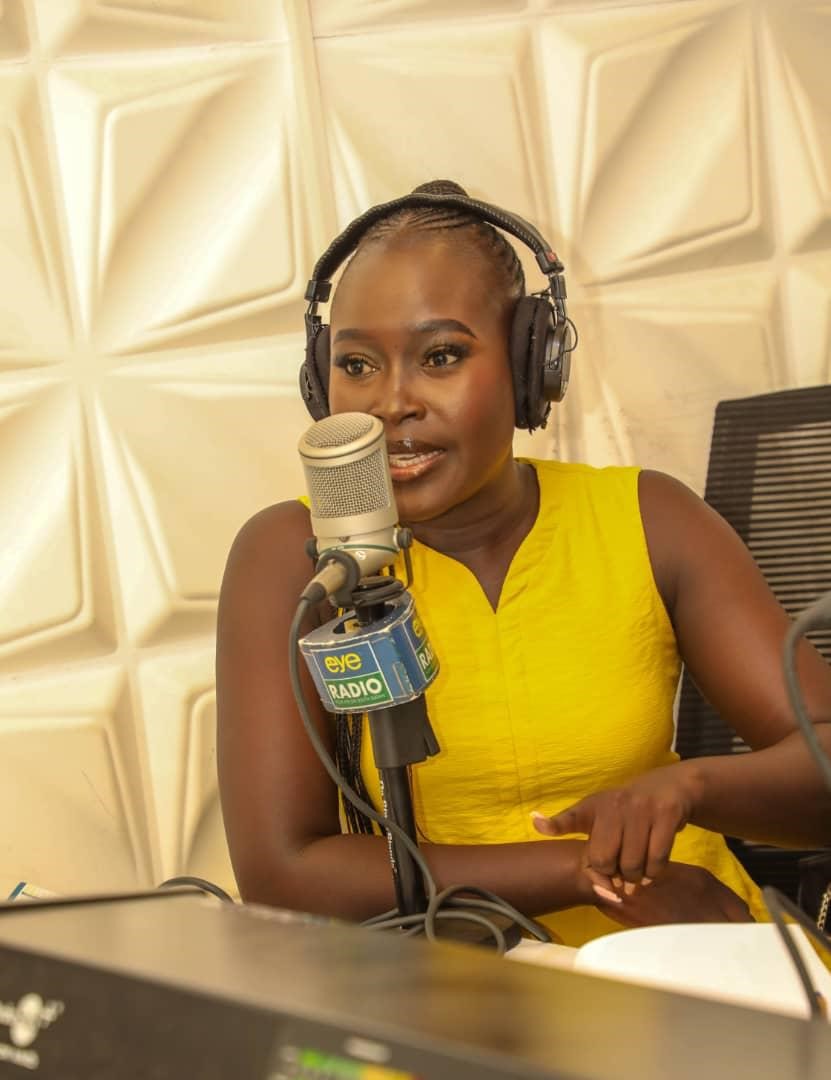
Celebrated journalist Stella Loki speaking during National Communication Authority Town Hall meeting in Juba.
What achievements or milestones are you most proud of in your career?
The most fulfilling achievement for me is inspiring others. Several people have told me that I motivated them to study journalism because they admired my work. Knowing that my journey has encouraged others to pursue this profession is something I am deeply proud of.
How has your work in media contributed to your community, especially for women and youth?
At a personal level, it is hard to measure the direct impact, but I know that being a role model matters. Through the Female Journalists Network, we are working to ensure media houses adopt gender balance policies that empower women in journalism. Our agenda policy document highlights guidelines to build women’s capacity and give them equal footing with their colleagues. That, for me, is a significant contribution to women and youth in South Sudan.
What challenges have you faced as a woman working in media, and how have you overcome them?
One challenge is the constant comparison to male colleagues. People often say, “You are my best female presenter,” instead of simply acknowledging excellence. Another challenge is the demanding nature of journalism, which forces many women to leave the profession prematurely due to family pressures or low pay. Safety is also a major issue. Female journalists have faced harassment, including sexual harassment.
To overcome these challenges, I focused on building resilience and learning negotiation skills. Negotiating for contracts and opportunities has been a game-changer for me. In media, much like sports, your value depends on performance and skills. So, learning to negotiate for myself has helped me remain in the profession.
How do you see women in media shaping South Sudan’s future?
I am very impressed by the progress. When I started in 2012, there were very few female journalists to look up to. Today, we have women winning awards locally, regionally, and internationally. Capacity building and opportunities have allowed female journalists to grow, and I am proud of how far we’ve come. Women in media are shaping a more diverse and just society.
What advice would you give to young women who want to pursue journalism or broadcasting but feel discouraged?
We all started from the same place, facing challenges, low pay, and uncertainty. My advice is to keep growing, improving your skills, and never get too comfortable. Journalism is a profession where everyone sees your work, so consistency and resilience are key. It may be tough at first, but it always pays off.
How would you describe your leadership style in the newsroom or on-air?
My leadership style is self-driven. Early in my career, my mentor told me that nobody will push you, you must push yourself. I carry that lesson into leadership. I encourage others to take initiative, seek help when needed, and be proactive in their growth.
How do you connect with your audience and ensure your work reflects their voices?
Authenticity is everything. In today’s world, there are many distractions and pressures to “build a brand,” but I believe in staying true to myself. If I host a show, it must reflect who I am. For example, I can’t host purely political shows because that’s not my personality. My audience connects with me because they see my authentic self, and that relatability builds trust.
What values guide you in your work as a journalist and media leader?
Three values guide me: authenticity, self-drive, and credibility. Credibility is especially important It’s what makes people trust your voice and your work.
What message do you have for South Sudanese women about the power of media and storytelling?
Do not shy away from media. Media is a powerful tool that elevates people in business, politics, and many other fields. Women must use media to elevate themselves and their work. Yes, we juggle many responsibilities, but when opportunities come; grab them. Your voice matters.
What gives you hope for the future of women in media in South Sudan?
The growing number of women leaders in media gives me hope. It means more women’s voices will be heard, leading to a more diverse and just society. It also ensures that younger generations have role models to look up to and eventually fill those spaces.
How do you envision your role in the next five years, both personally and professionally?
I see myself still in media, serving as one of its driving forces. I envision taking on leadership roles, advocating for better pay for women, and mentoring upcoming journalists. Many people have asked me for mentorship, and I plan to formalize that role in the coming years.
Utilities
“I envision taking on leadership roles, advocating for better pay for women, and mentoring upcoming journalists.”- Stella Loki, a broadcast journalist.