

Civil society groups warn of worsening insecurity, urge immediate ceasefire

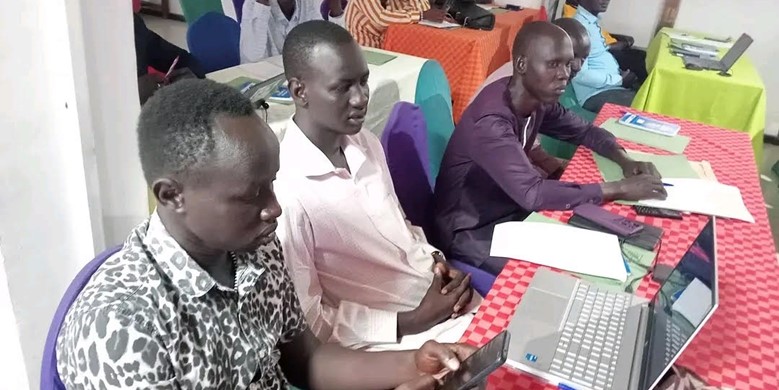
The groups express concerns over ongoing clashes between the Sudan People’s Liberation Army in Opposition (SPLA-IO) and the South Sudan People’s Defense Forces (SSPDF) in some parts of the country
By Binia Elizabeth and Riak Chol
Civil Society networks from South Sudan’s ten States, the Greater Pibor Administrative Area (GPAA), and the Ruweng Administrative Area have raised alarm over the rapidly deteriorating security situation across the country, warning that continued fighting could plunge the nation back into full-scale violence with devastating consequences for civilians.
In a joint statement issued on Monday, the networks said they held a virtual meeting on January 21, 2026, to assess escalating military and communal confrontations and to explore coordinated civil society action at the sub-national level.
The groups expressed deep concern over ongoing clashes between the Sudan People’s Liberation Army in Opposition (SPLA-IO) and the South Sudan People’s Defense Forces (SSPDF) in Jonglei, Central Equatoria, Eastern Equatoria, Unity, and Upper Nile States.
The activists noted that the fighting has intensified forced recruitment of civilians into armed groups, particularly in Northern Bahr el Ghazal, Jonglei, Upper Nile, and Western Equatoria States.
They estimated that renewed violence has resulted in widespread loss of life, destruction of property and livelihoods, and the displacement of approximately 1.05 million civilians within the last month alone, creating what they described as “enormous suffering, panic, and uncertainty” among the population.
Beyond military confrontations, the civil society networks also highlighted the surge in communal violence in Lakes, Warrap, Northern Bahr el Ghazal, Western Equatoria, Eastern Equatoria, Unity, and Central Equatoria States.
They further warned about the “provoking presence” of Ambororo nomads, whom they say are increasingly perceived as a security threat by host communities, particularly in Central Equatoria, Western Equatoria, and Northern Bahr el Ghazal.
Moved by what they termed the “deep outcry and suffering” of civilians, the groups made several key demands.
They appealed to President Salva Kiir and the Presidency to order an immediate cessation of hostilities and to unconditionally release of the suspended First Vice President, Dr. Riek Machar.
The group argued that such steps would help prevent possible crimes against humanity and genocide, especially in Jonglei State and the Greater Upper Nile region.
The statement also strongly condemned what it called dangerous rhetoric by political and military leaders, warning that such language could incite mass killings of civilians.
The civil society actors urged communities in Jonglei to reject ethnic and tribal narratives being promoted by some leaders amid the fighting.
Additionally, the networks called on the national Ministry of Peace Building, in collaboration with state governments, to urgently address inter-communal and intra-communal conflicts, age-set violence, and tensions linked to the presence of Ambororo nomads in Northern Bahr el Ghazal, Central Equatoria, Western Equatoria, and GPAA.
In conclusion, the activists acknowledged the efforts of humanitarian organizations assisting displaced populations across the country and appealing for continued and increased support as humanitarian needs continue to rise due to renewed conflict.
Utilities
Civil rights groups appealed to President Salva Kiir and the Presidency to order an immediate cessation of hostilities and unconditional release of the suspended First Vice President, Dr. Riek Machar.