


Can you tell us a bit about yourself—your background and what inspired your journey into leadership?
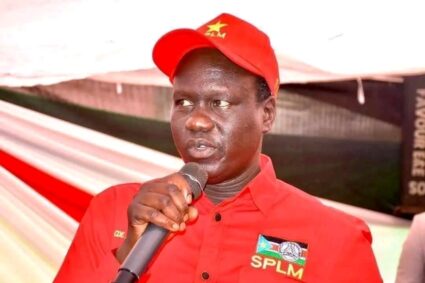
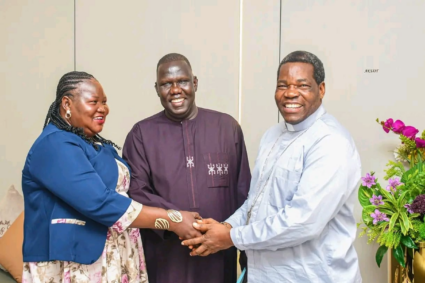
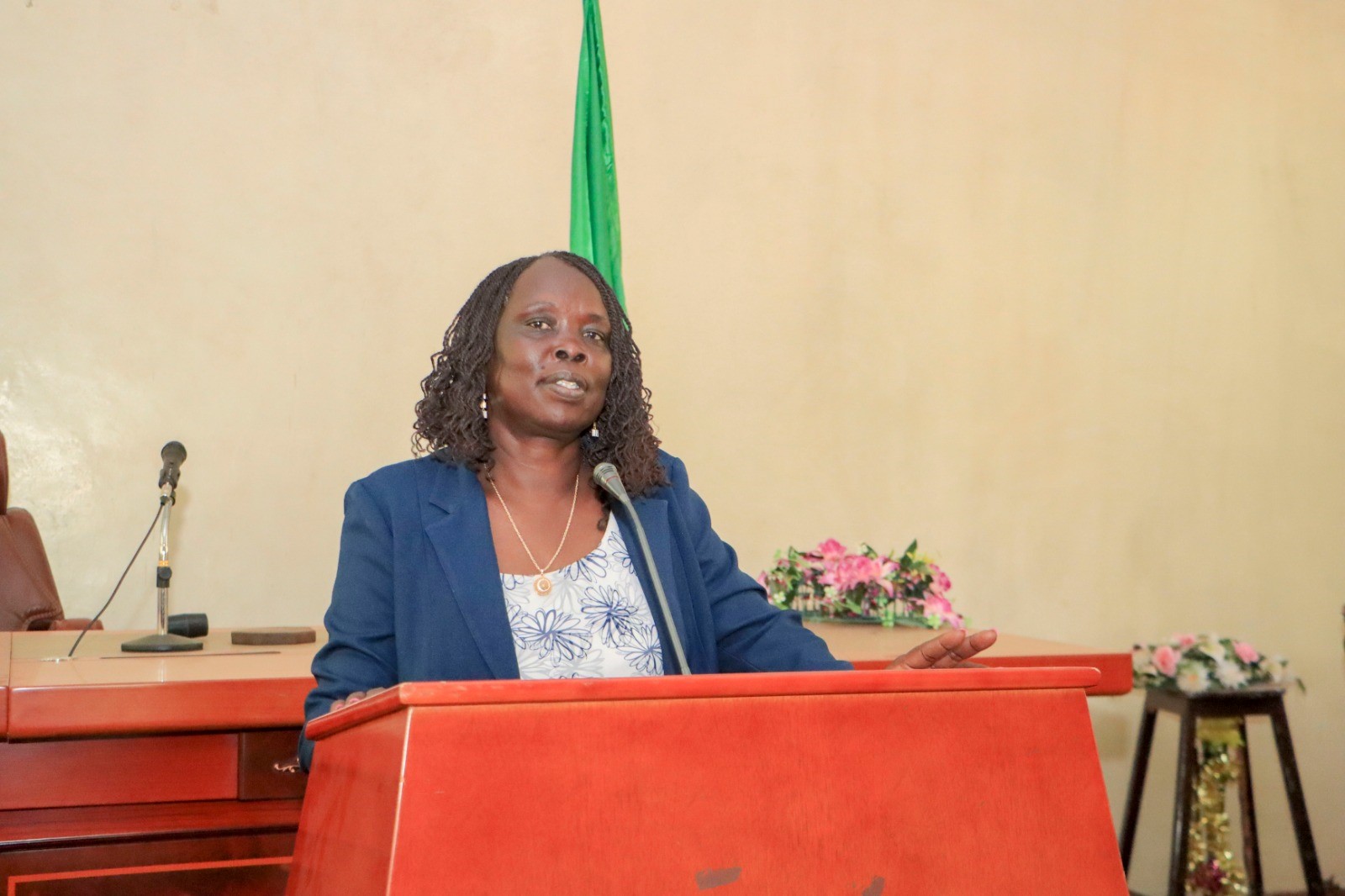
My name is Hon.Elizabeth Enoka Lubang, a Pojulu from Wunduruba. I am married in Lanya, Loka West Boma and currently represents Kator North in Juba. I graduated from the University of Juba in 1992 with a degree in Social Development, and later earned a Master’s Degree in Peace and Development. My career began in the Ministry of Social Development as an inspector for social welfare before moving into the Department of Gender as Director. I also served as Director of Sudan Family Planning Association.
What inspired me most were two strong women: Mama Agnes Poni Lukudu, then Governor of Bari El Jebel State, whose courage in addressing rallies showed me the power of women in politics; and my mother, Masspira Denya, Director of Social Welfare, who mentored me to lead with compassion and integrity.
What early experiences or influences shaped your values and desire to serve?
Transparency, teamwork, and listening have always guided me. I believe leadership is not about standing alone, it’s about working with people, sharing experiences, and building strength together.
How did your community, family, or mentors support or challenge your path into leadership?
As the firstborn, my late father encouraged me to lead. He valued girls’ education and reminded us that through education we would be strong and capable. His belief shaped my path and ensured I completed my studies before marriage.
What positions or responsibilities have you held so far?
I began as a social worker, later became Director for Disabled Children, Director of Gender, and Director of Sudan Family Planning Association. In 2010, I was elected to the Central Equatoria State Parliament, and today I serve as Government Chief Whip with the SPLM.
What achievements are you most proud of?
My leadership has opened doors for women and youth. Many girls look up to me, and I mentor them to become strong leaders. That respect and trust is my proudest achievement.
With elections approaching, what role do you see women playing in shaping South Sudan’s future?
Women are stepping forward to contest seats and achieve the 35% quota. This quota has helped break stereotypes and encouraged women to prove they can deliver at both state and national levels.
Are you planning to contest for an elective position—and what motivates you?
Yes, I am contesting for a seat in the National Assembly. My experience and commitment to leadership motivate me to move ahead, while also giving space for younger leaders to rise.
What challenges have you faced as a woman in leadership or politics, and how have you overcome them?
The biggest challenges are financial support and traditional norms. Women often lack access to resources, and cultural beliefs can hold us back. Awareness programs and persistence have helped me navigate these barriers.
How would you describe your leadership style?
Exemplary and people-centered. I am a good listener, transparent, and accountable. Teamwork is my core value, and I believe in leading by example.
How do you balance leadership responsibilities with personal life and wellbeing?
It was difficult at first, but I learnt time management. I divided my time between office, family, and studies, even cooking quickly with bamboo to save time. Balance is possible when you plan carefully
What is your vision for South Sudan—especially regarding peace, women’s empowerment, and development?
I envision a peaceful South Sudan where women participate fully in politics, business, and agriculture. With our vast resources—oil, minerals, fertile land—we can build a strong nation if we unite and leave behind divisions.
What message do you have for South Sudanese women and girls?
Education is the key. I encourage every girl to finish her studies, because through education you can achieve anything and become a strong leader.
What gives you hope for South Sudan’s future?
Our resources and our people. If politicians come together and agree, leaving behind their differences, South Sudan can become a great country.
Utilities
If politicians come together and agree, leaving behind their differences, South Sudan can become a great country.