

MSF permanently closes Ulang health facilities over looting, insecurity

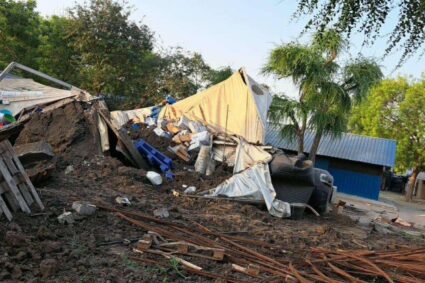
The hospital, which served as the backbone of healthcare for over 150,000 people, was reduced to ruins in an attack in April this year
By Aguok Chok
Médecins Sans Frontières (MSF) has announced the permanent closure of its hospital in Ulang County, Upper Nile State, and withdrawal of support from 13 primary health facilities in the region. This decision follows a violent attack on April 14, 2025, where armed individuals stormed the hospital, threatened staff and patients, and looted critical medical supplies and equipment.
The hospital, which served as the backbone of healthcare for over 150,000 people, was reduced to ruins. “They took everything: medical equipment, laptops, patients’ beds and mattresses from the wards, and approximately nine months’ worth of medical supplies, including two planeloads of surgical kits and drugs delivered just the week before. Whatever they could not carry, they destroyed,” said Zakaria Mwatia, MSF Head of Mission for South Sudan.
Medicines worth €135,000—enough to sustain the facility for months—were taken, leaving the hospital inoperable. MSF had invested millions of euros into the infrastructure and operations of this hospital since launching the project in 2018.
“This was not an isolated incident,” said Mwatia. “In January, two clearly marked MSF boats heading to Ulang after delivering medical supplies to Nasir County Hospital were shot at by unknown gunmen, forcing everyone on board to jump into the water and swim to safety.”
Only weeks after the April attack in Ulang, another MSF facility in Old Fangak was bombed, resulting in the suspension of services there as well. “The extensive losses from the looting have left us without the necessary resources to continue operations. We have no other option but to make the difficult decision to close the hospital and our support to 13 primary healthcare facilities, as they all relied on the hospital for medical supplies, referrals, and technical support,” Mwatia explained.
The loss of MSF’s support has left a massive gap in healthcare, especially in a 200-kilometre stretch from the Ethiopian border to Malakal. Patients are now flooding remaining facilities like Malakal Hospital, putting extra pressure on an already fragile system.
“The security situation in the area remains volatile, with ongoing clashes in neighbouring regions,” Mwatia added. “MSF prioritises the safety of its staff and patients and the integrity of our services, but the current environment makes it impossible to ensure either. We are deeply concerned by the growing trend of attacks on healthcare and the devastating impact this has on communities. We urgently call for the protection of patients, healthcare workers, and medical facilities at all times.”
Since 2018, MSF’s Ulang project had provided 139,730 outpatient consultations, admitted 19,350 patients, treated 32,966 malaria cases, and assisted 2,685 maternal deliveries. Despite the closures, MSF affirms its commitment to vulnerable communities and plans to use a mobile emergency team to assess and respond to needs along the Sobat Corridor when security permits.
MSF continues its operations in other parts of Upper Nile State, including Malakal and Renk Counties. However, the permanent closure in Ulang marks a devastating setback for healthcare access in South Sudan.
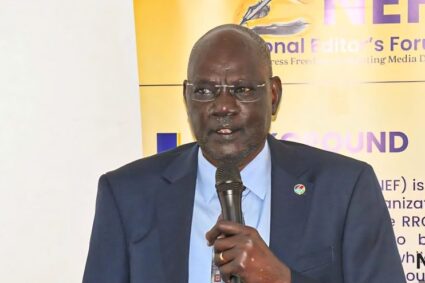
“The extensive losses from the looting have left us without the necessary resources to continue operations,” said Zakaria Mwatia, MSF Head of Mission for South Sudan.