


The National Bureau of Standards’ Population Situation Analysis records 47% of current population to be under 15 and 79% under 35
By James Chatim
The National Bureau of Statistics’ latest Population Situation Analysis 2026 Report for South Sudan has projected the country’s population to grow from 16.4 million in 2026 to 20.3 million by 2030, with the numbers set to be driven by natural increase and regional migration.
The launch of the report, held on Wednesday 28, 2026 in Juba, brought together government institutions, development partners and civil society stakeholders to address the country's critical data gaps.
With the last Population and Housing Census conducted prior to independence, the new report bridges vital information gaps by synthesizing data from the 2021 Population Estimation Survey, the 2025 Multiple Indicator Cluster Survey, administrative records and demographic projections through 2030.
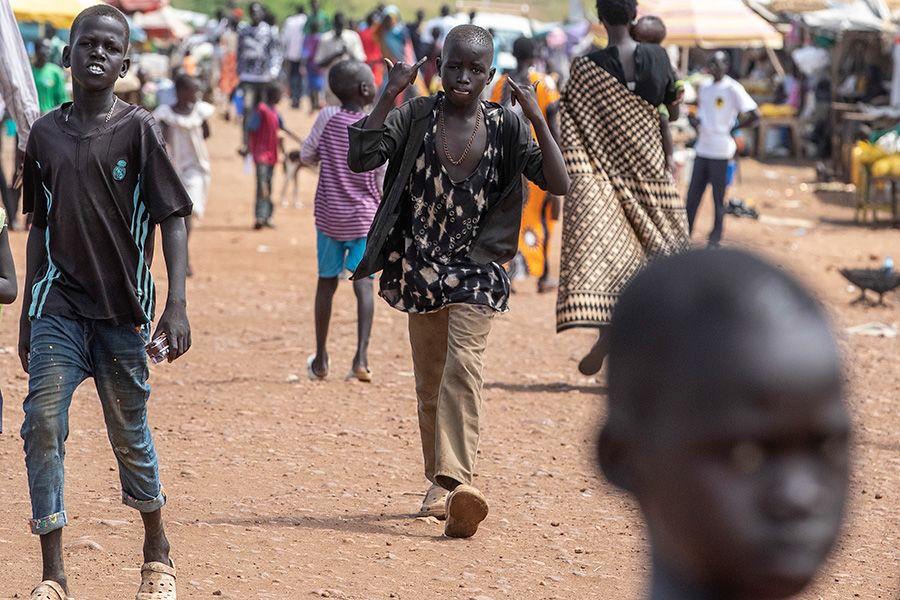
The report showed that the country has a young demographic profile, with approximately 47 percent of the population under the age of 15, and 79 percent under 35, highlighting urgent need for targeted investments in education, health and youth employment.
Displacement dynamics remain structural, with three states receiving over 60 percent of net migration through 2030, requiring localized pre-positioning of resources and services.
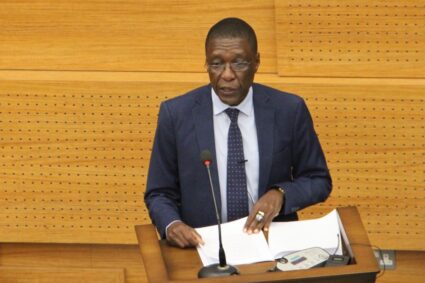
Speaking at the launch, Dr. Augustino Ting Mayai, the Director General of the National Bureau of Statistics, emphasized the crucial role of reliable statistics in sound decision-making.
"Without timely and credible data, national planning risks being guided by assumptions rather than evidence," Dr. Mayai said, encouraging all institutions and stakeholders to utilize the findings as the best available planning evidence until a new census is conducted.
Government institutions in attendance pledged commitment to integrating the report's insights into their sectoral plans and national frameworks.
Partners stated that the demographic projections will critically guide resource allocation, especially where educational infrastructure like classrooms are most urgently needed and identifying populations requiring highest support.
The NBS has called on ministries, development partners and civil society to adopt the mid-year populations as common denominators across all humanitarian, development and Sustainable Development Goals domains.