




Speaker Ann urges youth in Yambio to combat hate speech, tribalism


By Emmanuel Mandella
The Speaker of Western Equatoria State Legislative Assembly, Rt. Hon. Ann Tuna Richard has called on young people across the state to combat hate speech and tribalism in the State.
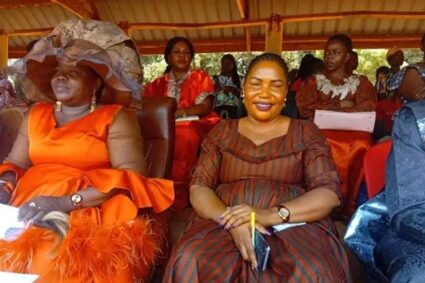
She was speaking during the closing session of a one-day training organized by the Strategic Initiative for Women in the Horn of Africa (SIHA) with support from the United Nations Peace building Fund.
The training focused on empowering women in leadership, promoting peace building, and reimagining inclusive politics in South Sudan.
Addressing participants at the event, Speaker Ann emphasized that the future of Western Equatoria largely depends on the role of young people in maintaining peace and promoting social cohesion.
“Youths must avoid hate speech, especially on social media platforms, and instead use their voices to promote peace, development, and unity among our communities,” she said.
The speaker warned that the spread of tribal divisions and inflammatory messages online threatens the stability of the state, noting that sustainable development can only thrive in a peaceful environment.
Anna urged young people to focus on constructive activities that will help them build their future and contribute positively to the development of Western Equatoria.
“Peace begins with individuals. When each one of us decides to say no to violence and hatred, then we will have a peaceful state where development, agriculture, and better health services can flourish,” she stated.
Beyond the issue of hate speech, the Speaker also raised concerns about the growing problem of drug abuse among youths in the state. She described drug use as a serious threat that is destroying the potential of many young people and undermining the future of Western Equatoria.
“Drug abuse is destroying the future of our youths. As leaders, we must stand together to fight this problem because the young generation is the backbone of our state’s future,” she stressed.
The lawmaker assured participants that the State Legislative Assembly remains committed to addressing youth-related challenges and creating opportunities that empower young people to become responsible leaders.
The training, organized by SIHA, brought together youths, civil society representatives, educators, and community leaders to discuss the role of women and young people in strengthening peace and inclusive governance.
Speaking at the same event, Hosanna John Mabu, the Assistant Program Coordinator for SIHA in Western Equatoria State, said the initiative aims to equip women and youths with leadership skills while promoting peaceful political participation.
“Our goal is to empower women and young people to actively participate in leadership and decision-making processes while promoting peace and social cohesion in our communities,” Hosanna said.
He added that the organization believes inclusive leadership is critical for sustainable development and long-term stability in South Sudan.
Hosanna further encouraged participants to become ambassadors of peace in their communities and to use the knowledge gained during the training to promote dialogue, tolerance, and cooperation.
While, youth leaders who attended the training also welcomed the initiative and echoed the call for peaceful engagement among young people.
Jonathan Bage, the Chairperson of the Yambio County Youth Association, said young people must take responsibility for promoting unity and preventing conflicts within their communities.
“As youths, we have a responsibility to stand for peace and unity. Instead of spreading hate messages on social media, we should use those platforms to educate others and promote positive change,” Bage said.
He noted that empowering young people through education and leadership training is essential in preventing violence and building stronger communities.
Bage also encouraged youths to participate actively in development initiatives that support agriculture, education, and community development in Western Equatoria.
Meanwhile, Ustaz Tamania, a teacher from Bishop Abangite College who also attended the training, emphasized the importance of educating young people about responsible behavior and leadership.
“As teachers and community leaders, we have a duty to guide our young people so they understand the importance of discipline, peace, and respect for one another,” Tamania said.
He added that programs like the SIHA training play a critical role in shaping the mindset of young leaders and promoting a culture of peace among communities.
Participants at the training expressed optimism that the initiative would help strengthen cooperation between youths, women leaders, and institutions in Western Equatoria.
They also pledged to use the knowledge gained from the workshop to encourage peaceful coexistence and responsible leadership within their respective communities.
The event comes at a time when leaders across the state continue to emphasize the importance of unity, peace building, and youth empowerment as key pillars for the region’s long-term stability and development.