



The Crises in Sudan and South Sudan Are Africa’s Problems, Ours to Solve

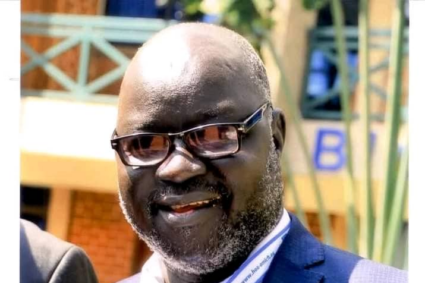
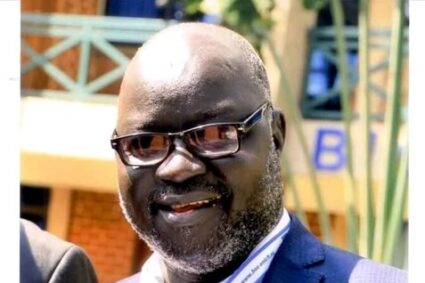
By Yaba Odongo Odoyo
There is an old African proverb that says, “When the hut next to yours is burning, do not waste time asking how it caught fire—fetch water and help put it out.” This timeless wisdom reminds us that African solidarity is not optional. It is a necessity. Today, the crises in Sudan and South Sudan are not merely their own. They are ours too. If we fail to act decisively, the consequences will continue to reach far beyond their borders.
Sudan, once the largest country in Africa, is being torn apart by a brutal power struggle between the Sudanese Armed Forces and the paramilitary Rapid Support Forces. Millions have been displaced, thousands killed, and entire cities reduced to rubble. In South Sudan, which broke away to form an independent nation in 2011, peace remains fragile. Despite peace agreements and international support, the country continues to reel under political deadlock, armed clashes, economic hardship, and intercommunal violence. For millions of citizens in both nations, peace remains a distant and fragile hope.
We must not be deceived by borders drawn on colonial maps. Africa is deeply interconnected. Instability in Khartoum does not remain in Khartoum. It sends shockwaves across the region—into Cairo, Addis Ababa, Nairobi, Juba, and beyond. It disrupts trade routes, fuels the spread of small arms, overwhelms refugee camps, and threatens the peace and prosperity of neighboring countries. Above all, it robs families of security and children of a future. These are not isolated crises. They are continental emergencies.
There are those who might argue that Africa is already stretched too thin. The continent faces poverty, the consequences of climate change, debt distress, and the aftermath of the COVID-19 pandemic. Yet, we must ask ourselves: when has there ever been a convenient time to do what is right? Africa has demonstrated tremendous capacity for innovation and resilience. From the swift rollout of vaccination campaigns to launching the African Continental Free Trade Area, we have shown that we are capable of driving our own progress. This same leadership is needed in the realm of peace and security.
In 2020, the African Union committed to a noble goal: Silencing the Guns by 2030. This initiative was envisioned as a roadmap toward ending violent conflict across the continent. However, five years in, the guns are anything but silent. Sudan and South Sudan remain glaring reminders that we are not yet where we need to be. Declarations alone cannot end wars. Aspirations must be matched with concrete action.
One major hurdle is our continued overreliance on foreign actors to mediate our peace processes. In both Sudan and South Sudan, African-led initiatives have often been sidelined in favor of Western or Gulf-backed diplomacy. African mechanisms like IGAD and the AU Peace and Security Council must be better supported, politically and financially, by African states themselves. We must empower our own institutions to lead from the front.
Africa must also stop outsourcing its crises. The healing and reconstruction of Sudan and South Sudan must be anchored in African leadership and African wisdom. This does not mean shutting out international partners, but it does mean that the primary responsibility for finding solutions should lie with us. Our proximity, shared history, and cultural insight give us a unique advantage in resolving these conflicts effectively and sustainably.
Military interventions are not enough. Conflict is never resolved by arms alone. Sustainable peace must come from a people-centered approach. This includes grassroots peacebuilding, trauma healing, civic education, and economic reintegration. Community leaders, traditional elders, faith groups, women, and young people must be active participants in shaping the peace they want to see. Peace processes that exclude them are destined to fail.
Furthermore, we must be willing to address the root causes of these conflicts. Power struggles are only the surface. Beneath them lie decades of marginalization, unequal development, competition over resources, and unresolved historical grievances. Political reconciliation must be accompanied by economic inclusion, justice reform, and nation-building. If we continue to treat symptoms while ignoring the disease, we will find ourselves trapped in a cycle of conflict.
Regional leadership is also critical. The continent’s heavyweights—Nigeria, Kenya, Ethiopia, Egypt, South Africa—must work in concert rather than at cross purposes. Instead of competing for influence, these nations must come together in the spirit of Pan-Africanism and speak with one voice. Unity will be our strength.
We must also invest in early warning systems and conflict prevention mechanisms. Africa has suffered enough from responding too late. Prevention is not just humane; it is also cost-effective. Timely mediation, diplomacy, and political engagement can stop crises before they escalate into full-blown wars. This requires political will, robust institutions, and a commitment to stay engaged for the long haul.
Sudan and South Sudan are a test. A test of Africa’s moral courage, unity, and readiness to lead. A test of whether we are willing to act, not because we are compelled by international headlines, but because we are our brothers’ and sisters’ keepers. This is not someone else’s problem. It is ours.
Let us not wait for another generation to write history’s judgment. Let us write it ourselves, with vision, compassion, and resolve. Let us strengthen our institutions, stand together as a continent, and make the necessary investments in peace and human dignity. When our neighbour’s house is on fire, we must not turn away. We must rise, take up water, and do everything in our power to put out the flames.
Peace is possible. But only if we claim it, build it, and protect it—together.
Yaba (Jaduong) Odongo Odoyo is a leading commentator, writer and established Editor with long standing career in journalism and media industry internationally. The comments and insight shared are his own. You can contact him at +211921351878, +254795226883 or e-mail: odoyo2002@gmail.com.