




Tombura Hospital health workers strike over unpaid wages

Striking workers said they have provided health care services despite the challenges posed by ongoing conflicts in Tombura, yet their calls for payment have not been addressed
By Emmanuel Mandella
Healthcare services at Tombura Hospital in Western Equatoria State came to a standstill following a strike by the 69 health workers last week.
The doctors are demanding six months of unpaid incentives.
The striking workers said they have tirelessly provided health care despite the challenges posed by ongoing conflicts in Tombura, yet their calls for payment from responsible partners have gone unanswered.
Speaking to The City Review yesterday (on Monday), Dr. Yezinai Juma, Director of Tombura Hospital, expressed concern about the impact on critical services.
“In Tombura, we have a lot of emergencies especially women in complicated labor. So, without our medical team, we cannot manage these cases,” Dr. Juma said.
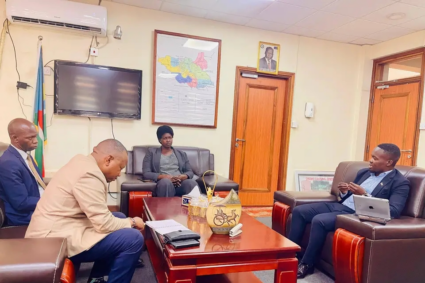
In response, State Minister of Health, James Abdullai Arona, said the government was in talks with stakeholders to resolve the issue.
“According to my communication with the National Director for Relations in the Health Ministry in Juba, a team will travel to Tombura this weekend to pay the incentives,” Arona assured, urging health workers to return to duty.
The situation in Tombura reflects a wider crisis in South Sudan’s healthcare system, which is heavily reliant on donor funding.
The country faces chronic shortages of medical supplies, inadequate infrastructure, and a struggling workforce that frequently goes unpaid. Many hospitals and clinics are understaffed, leaving patients especially in rural areas without access to essential services.
Economic hardship has worsened the crisis, with inflation making it difficult for health facilities to purchase medicine or maintain operations.
International partners such as the World Health Organization (WHO), Médecins Sans Frontières (MSF), and UNICEF have been providing emergency aid, but their resources are stretched thin.
A medical aid worker in Yambio, speaking on condition of anonymity, said many donor-supported projects are at risk due to funding cuts.
“We are doing what we can, but if incentives are delayed for months, workers have no choice but to leave,” the aid worker said.
In Western Equatoria, where many rely on public hospitals, the strike has left patients stranded.
At Tombura Hospital, an elderly woman, Mary Kamigude, who had brought her sick grandson, was in distress.
“I don’t have money to take him to a private clinic. Where will I go now?” she lamented.
However, a pregnant woman from Gamunakpe village in Tombura County, Esther Mangbi, feared for her safety and she lamented that.
“I was told to come for delivery, but now there are no nurses. What will happen to us?” she asked.
With South Sudan’s healthcare system at a breaking point, many citizens are left wondering if their leaders and international partners will act swiftly to prevent further suffering.
“We are doing what we can, but if incentives are delayed for months, workers have no choice but to leave,” a medical aid worker said.