


By James Chatim
The United Nations High Commissioner for Refugees (UNHCR) says over 165,000 people fled South Sudan amid increasing tensions and conflict in the past three months, seeking safety both within the country and across borders, an issue, it said, has deepened the already dire humanitarian situation across the region.
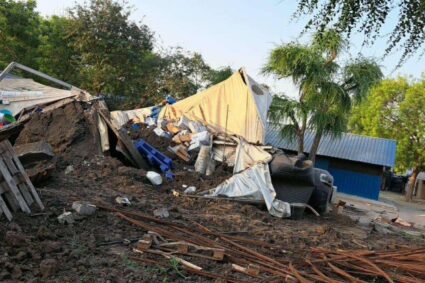
The Agency revealed that since late February, political instability and rising hostilities between armed groups have led to fresh clashes, particularly in Upper Nile state, but also other hot spots, devastating lives and damaging essential services, while forcing many people already grappling with displacement, disease and food insecurity to move yet again.
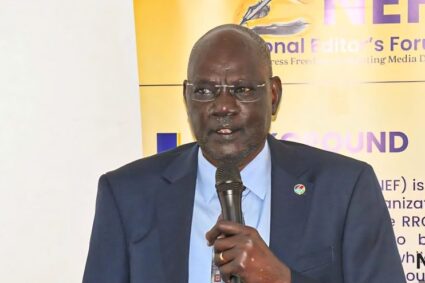
In a press release issued early this month, Mamadou Dian Balde, UNHCR’s Regional Director for the East, Horn of Africa and Great Lakes region said some 100,000 people seek safety in the neighboring countries of the Democratic Republic of the Congo (DRC), Ethiopia, Sudan and Uganda citing insecurity, inter-communal violence, and deteriorating humanitarian conditions as the main reasons for flight.
Balde added that, as a result of fighting and movement restrictions in Upper Nile state and other areas, humanitarian access to an estimated 65,000 newly internally displaced people in affected communities remains significantly constrained.
He highlighted the desperate need for aid, including medicine and health care to tackle an increase in cholera cases. Looming rains are likely to exacerbate the situation, with flooding making transport problematic and expensive, he added.
Furthermore, Balde stated that the agency continues to welcome new arrivals as neighbouring countries are struggling to cope with a shortage of supplies such as food, water and sanitation while shelter and health care run dry.
Around 41,000 people have crossed into Sudan’s White Nile, Blue Nile, Kordofan and Darfur states. This includes over 26,000 into White Nile state alone, which already hosts some 410,000 South Sudanese refugees, including those displaced for a second time due to the ongoing war in their host country. The influx has increased the need for additional space to accommodate new arrivals, while essential services remain severely strained amid cholera outbreaks and a fragile security situation.
In Ethiopia, new arrivals had been staying in precarious conditions in makeshift shelters along riverbanks in the border town of Burbiey, Gambella, but are now receiving assistance away from the border in Matar and Moun. UNHCR, WFP and partners have already assisted some 21,000 new arrivals with food and relief items, with thousands more in need. Infrastructure and services in the Gambella region are already overstretched amid a cholera outbreak.
Uganda hosts the largest population of South Sudanese refugees in Africa, at one 1 million. It has received nearly 18,000 South Sudanese since March, a year-on-year increase of 135 per cent. Nearly 70 per cent of those arriving are children. This group of young refugees are taking increasingly long and dangerous routes to reach safety.
The DRC has received an estimated 23,000 new arrivals from South Sudan due to recent violence and tension, despite the country grappling with its own ongoing conflict and a major displacement crisis.
Border monitoring and engagement with local communities are ongoing.
To deliver initial life-saving protection and assistance and enhance preparedness, UNHCR requires $36 million to support up to 343,000 internally displaced people in South Sudan and refugees arriving in neighbouring countries over the next six months. This funding will allow UNHCR and partners to upgrade and establish reception and transit centres, and provide shelter, water, health and nutrition screening, and cash assistance to new arrivals.
“South Sudan cannot afford yet another crisis. The world’s youngest country has received more than 1 million people who fled the ongoing war in Sudan, while millions of its citizens continue to recover from years of conflict and crisis at home,” said Mamadou Dian Balde.