
Yakani calls on Juba City Council to keep State House Road clean

The conditions described include substantial sand deposits that have significantly narrowed the usable width of the road
By Emmanuel Mandella and James Chatim
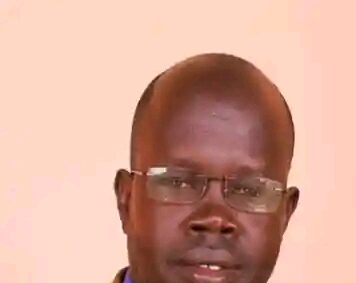
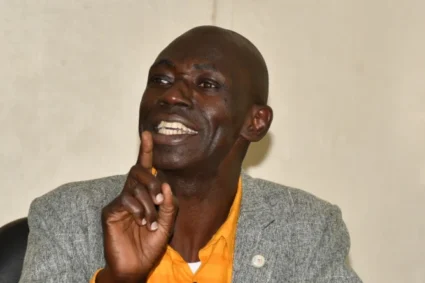
Concerns over the state of Juba’s major roads, particularly those leading to and surrounding the presidential residence, have been highlighted by Edmund Yakani, the Executive Director of Community Empowerment for Progress Organization (CEPO). Yakani brought attention to the deteriorating cleanliness and infrastructure issues affecting prominent routes within Juba City, including Gudele Road and other key residential streets.
In a statement directed to the leadership of the Juba City Council, Yakani underscored the dire state of the roads leading from the former Home and Away Hotel past the State House, where key government figures, including President Salva Kiir, Vice President James Wani Igga, and first Vice President Dr. Riek Machar, reside. This stretch of road, he noted, is plagued by layers of accumulated sand and debris, presenting an unpleasant image for an area central to the nation’s leadership.
“If you look at that road, it is so dirty,” Yakani expressed. “The sight of sand covering parts of the road and stagnant water pooling after rains sends a negative image to anyone passing through; be it local citizens or potential international visitors. That road is an image of the nation,” Yakani said.
The conditions described include substantial sand deposits that have significantly narrowed the usable width of the road. This, compounded with waterlogged patches during rainy periods, has exacerbated the situation, raising safety and aesthetic concerns.
According to Yakani, this road should not only symbolize the accessibility of state leadership but should also reflect the pride and cleanliness of Juba.
“Why not clean the sands that are on the middle of the road or the sands that have squeezed the road there?” Yakani questioned. He called for the deployment of an urgent task force dedicated to maintaining and beautifying this significant stretch. The neglect of such areas, he argued, undermines the image of South Sudan, particularly given the road’s proximity to the State House and its status as a route that should ideally represent the prestige of the government.
While some streets in Juba have seen cleaning initiatives, Yakani emphasized that more comprehensive efforts are needed, especially for high-profile roads.
“In so many countries, roads leading to the seat of government are considered tourist roads, showcasing the nation’s pride. The current state does not reflect that,” he remarked.
Yakani’s appealed to the Juba City Council to prioritize the maintenance and beautification of roads that form the face of the capital. He urged immediate action to clean up the sand deposits, enhance road safety, and integrate elements of flowering and beautification to elevate the overall image.
“The cleanliness of Juba City must be reflected on that road. It is not just an image of where our leaders stay; it is the image of our nation, an image that speaks volumes about the leadership and care invested in the country.”
This call to action resonates with many residents who traverse these roads daily, bearing witness to the condition of streets that, Yakani argues, should be treated as national treasures rather than overlooked pathways.
“If you look at that road, it is so dirty. The sight of sand covering parts of the road and stagnant water pooling after rains sends a negative image to anyone passing through,” Edmund Yakani, the Executive Director of Community Empowerment for Progress Organization (CEPO).