




FAO hails South Sudan over effective approach to locust control

Speaking at the event, the representative of the FAO, Meshack Malo, emphasized on the dramatic improvement of South Sudan in the fight against locusts
By Chuol Chanyong
South Sudan has emerged as the best in the region in combating and monitoring desert locusts, according to the Food and Agriculture Organization (FAO) of the United Nations.
This was unveiled during the emergency locust response project workshop in Juba yesterday.
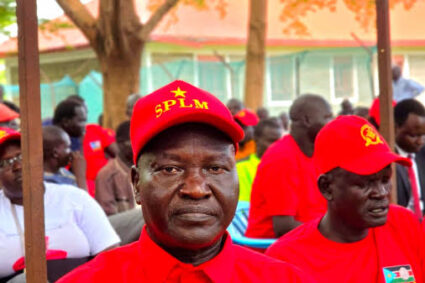
Speaking at the event, the representative of the FAO, Meshack Malo, emphasized on the dramatic improvement of South Sudan in the fight against locusts
“When the desert locust crisis began, South Sudan was the weakest. Today, South Sudan is no longer weaker, it has emerged as one of the strongest in the region.”
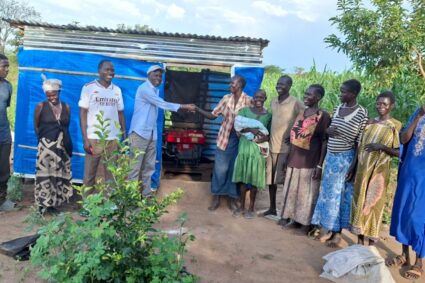
The FAO representative highlighted key achievements, including the establishment of a state-of-the-art pesticide storage facilities in Torit, Juba, and Upper Nile, which now serve as critical hubs for regional operations.
“The plane can now land comfortably in Torit, refuel, collect pesticides, and move forward in Juba and Renk, which creates a supply chain that supports neighboring countries such as Sudan and Kenya,” he explained.
He praised the participation of society as the cornerstone in the success of South Sudan, with local communities trained on rapid disclosure and response.
“When the pests are identified, society alerts the authorities quickly, ensuring timely control.”
Morris Tabiana, the Project Manager for the Emergency Locust Response, stressed that there is need to maintain the progress made.
“We have created pest control teams and controls in five states and 10 provinces (counties).”
The expansion of these efforts to all 72 Counties and 10 states is the most important matter, which could protect the agricultural future in southern Sudan.”
Alexander Ali Natana, Director of Plant Protection in the Ministry of Agriculture and Food Security said that they have learnt a lesson since the locust invasion of 2018 that caused panic and destruction on a large scale.
“Through community training and participation, we enabled the local population to understand the life cycle of pests and take proactive measures,” he said.
“This knowledge was useful in our success.”
The event represents the delivery of two important documents, the project to protect the plant protection and the regulations for inspection of plant materials across the border.
These frameworks aim to prevent the introduction of scourges and harmful diseases, ensure food security and safe trade.
In 2018, locust swarms threatened crops and food supplies, prompting farmers to use traditional means such as setting fires and making noise to repel them.
After discovering new mechanisms to fight locusts, South Sudan turned from a weak country into a regional leader in the face of this crisis, which enhances the hopes of improving food security and relieving pressure on affected communities.
“Through community training and participation, we enabled the local population to understand the life cycle of pests and take proactive measures,” said Alexander Ali Natana, Director of Plant Protection in the Ministry of Agriculture.