
All Eyes on Parliament as Budget Delays Loom Over Nation’s Priorities

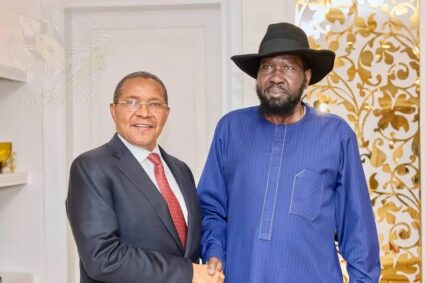
President Salva Kiir is expected to address the nation during the opening of Parliament, his speech setting the tone for much more critical issues including the blueprint for achieving national stability and economic recovery
By James Chatim
The Transitional National Legislative Assembly (TNLA) is set to reopen on Wednesday, marking the resumption of parliamentary business after a six-month recess. As lawmakers return to their seats, the most pressing item awaiting them is the long-overdue national budget for the 2025–2026 financial year.
The delay in tabling the budget has had a ripple effect on key sectors across the country. Health services, education, security operations, and the payment of civil servants’ salaries all depend on timely budgetary allocation. Development projects in infrastructure, agriculture, and energy have also stalled, waiting for the necessary financial approvals.
Without a national budget, government institutions operate in limbo. Hospitals lack supplies, schools face uncertainty over funding, and civil servants go months without pay. These are not just administrative concerns—they are issues that affect the daily lives of South Sudanese citizens.
At the heart of the delay lies a complex equation: for the government to fund its national plans, it must have a functioning economy. That means businesses must thrive, industries must produce, and trade must flow. All of these require stability and security.
A stable environment encourages domestic investment and opens doors for tourism and international trade, all of which generate revenue for the national treasury. Taxation becomes possible when businesses are operational and people are earning incomes. In short, peace fuels economic activity, and economic activity funds the national budget.
President Salva Kiir is expected to address the nation during the opening of Parliament. His speech will set the tone, but what follows will be even more critical. The blueprint for achieving national stability and economic recovery must be made clear. Promises without pathways risk deepening public frustration.
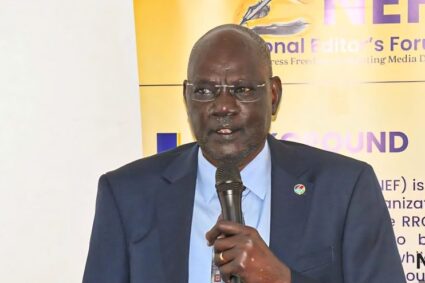
“Well, it is a normal opening of the parliament. There will be an address of the president to the nation, and that is the end of it for the first day,” the spokesperson of the parliament, Oliver Mori Benjamin, confirmed to The City Review on Sunday.
The December 2026 elections offer a horizon of hope, but the road there requires twin pillars, peace and stability, achieved not in succession, but side by side. This is not a question of which comes first. Both must be pursued simultaneously if South Sudan is to break the cycle of delays and uncertainty.
Civil society leader Edmund Yakani, among others, has urged that the President use his address to affirm government commitment to peace implementation and budget reform. But ultimately, it is action—not rhetoric—that will determine the nation’s direction.
With Parliament reconvening this week, the window for decisive leadership is open. South Sudan waits not just for speeches, but for structure.