






China’s digital media evolution offers lessons for South Sudan’s emerging media landscape

Platforms like WeChat, Douyin (TikTok), Bilibili, and the Red Note have redefined media consumption in China, offering multimedia content, real-time interaction, and social commerce integration.
By Emmanuel Mandella
The transformation of media in China from traditional print and broadcast platforms to a dynamic digital ecosystem offers valuable insights for South Sudan, where the media industry is navigating its own path toward modernization.
During a thematic lecture titled “Innovative Development and Practice of China’s Online Media”, Wang Xiaohui, former editor-in-chief of China.org.cn, traced the evolution of Chinese media from its earliest newspapers to today’s sophisticated online platforms, highlighting strategies that could guide South Sudan media organizations in adapting to the digital age.
China’s first modern newspaper, Xhaowen Xinbao, was founded in 1873 but struggled with limited literacy and circulation, lasting only a year. Its successor, the first Chinese magazine founded in 1896, advocated constitutional reform and national salvation but was shut down two years later under Qing dynasty persecution.
“These early failures underscore the importance of adapting content to audience needs and societal context,” Wang noted. Today, China hosts over 1,600 newspapers, complemented by digital platforms that have transformed news consumption.
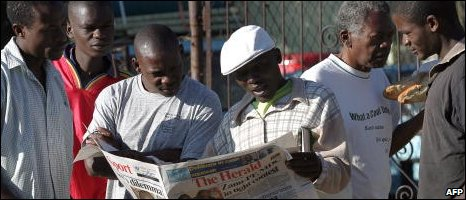
This shift mirrors challenges faced in South Sudan, where traditional print media such as newspapers and community radio are increasingly competing with online and social media channels. Wang emphasized that, just as Chinese newspapers developed robust digital arms, South Sudan outlets must embrace digital innovation to expand reach and retain relevance.
Platforms like WeChat, Douyin (TikTok), Bilibili, and the Red Note have redefined media consumption in China, offering multimedia content, real-time interaction, and social commerce integration. Wang highlighted how these platforms empower ordinary users to share content, creating interactive communities that influence public discourse.
“In China, the power of a single user to shape narratives is immense—sometimes even surpassing traditional newspapers,” Wang said.
For South Sudan, this presents both opportunity and caution. With growing internet penetration and mobile connectivity, citizens increasingly access news via social media. Platforms can foster engagement, but untrained content creators risk spreading misinformation, a challenge Wang linked to global trends in media regulation.
Wang stressed the role of artificial intelligence in shaping the future of media. AI enables real-time content personalization, automated news distribution, and interactive experiences.
“The future is digital, and there is no return to purely traditional media,” Wang remarked. This insight is particularly relevant to South Sudan, where AI tools could assist in monitoring information quality, automating newsroom workflows, and enhancing citizen engagement, provided regulatory and training frameworks are established.
The lecture also addressed the rise of podcasts and independent content platforms in China. Though largely unregulated, podcasts allow influencers and subject-matter experts to shape public narratives directly. Wang suggested that South Sudanese media could explore similar formats to expand reach and diversify voices, especially in underrepresented communities.
Despite China’s robust digital media sector, traditional newspapers and broadcast outlets face declining circulation as Wang explained that newspapers survive by creating integrated digital platforms, offering apps, websites, and multimedia content to maintain readership and attract advertisers.
He emphasized that adaptation, rather than resistance, is crucial. In South Sudan, print newspapers still play a critical role in urban areas, but online platforms are steadily gaining ground. Embracing a hybrid model could help local newspapers remain economically sustainable while expanding audience engagement.
China enforces strict content regulations to prevent misinformation and protect national interests. Foreign platforms like Google faced restrictions, emphasizing the country’s careful approach to managing information flows. Wang highlighted that South Sudan, as it strengthens its media infrastructure, must balance freedom of expression with measures to curb misinformation, particularly during elections and public health crises.
“Effective regulation ensures that digital media serves as a force for informed civic participation,” he noted.
Wang’s lecture underscored several lessons for South Sudan such as, Digital Integration for traditional newspapers, radio, and TV should develop complementary digital platforms, and user engagement for Social media as it can democratize information but requires media literacy and oversight.
AI Adoption – Intelligent tools can optimize content delivery and audience interaction.
Diversification of Media Formats – Podcasts, video, and social commerce channels expand reach and relevance.
Regulatory Balance – Policies must foster innovation while safeguarding against misinformation and unethical practices.
South Sudanese journalists attending the seminar expressed optimism about applying these lessons. Jennifer James, a media professional, noted, “China’s experience shows us that adaptation and digital innovation are essential. Our newspapers and radio stations can survive and thrive if we embrace new media while ensuring accuracy and credibility.”
As South Sudan prepares for its general elections and navigates ongoing development challenges, the modernization of its media sector is critical.
Wang Xiaohui’s lecture illustrates that while digital transformation is complex, integrating technology, regulation, and training can empower media to inform, engage, and unify society.
“Media is not just about reporting events; it’s about shaping society and fostering informed communities,” Wang concluded.
For South Sudan, the path forward lies in combining lessons from global experiences with local solutions to build a resilient, inclusive, and dynamic media landscape.