




EES residents urge for adequate civil education to create more awareness on polls

By The City Review
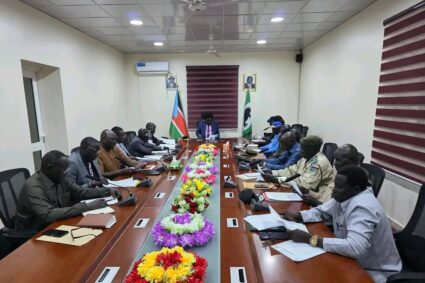
Voter registration has been ongoing in Eastern Equatoria State, with region’s electoral officials expressing confidence in the process. However, a section of locals have warned that inadequate civic education, long distances to registration centers, and various socio-economic barriers may limit the participation of women, youth, residents of remote areas, and persons with disabilities, ahead of the November 28 registration deadline.
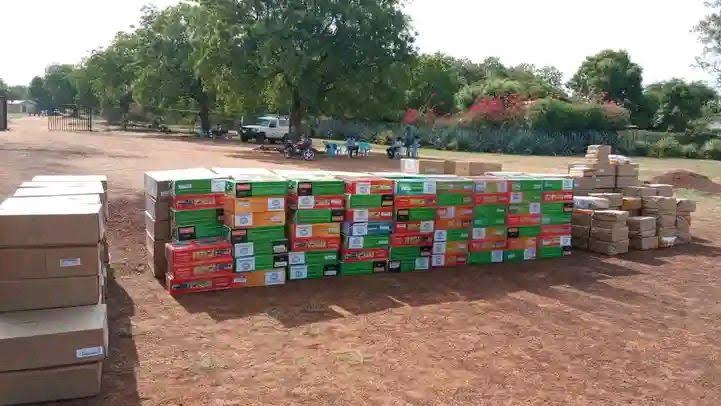
Orima Emmanuel, Deputy Chairperson of the State High Election Committee, told the media that registration materials have been distributed across all eight counties and administrative areas, with over 450 registration centers established. He noted that 141,600 voters have been registered so far across six national geographical constituencies, while figures from five other constituencies in the Greater Kapoeta region are still being compiled.
Emmanuel confirmed that operations are continuing at the centers—acknowledging that the start of registration may have been delayed in some remote communities—but stressed that there are no plans to extend the registration period beyond November 28. He urged eligible citizens to visit the centers and obtain their registration receipts to ensure their right to vote in the upcoming elections.
Meanwhile, Nima Lamara Bodo Onorio, a young woman from the Malakia neighborhood in Torit, pointed out that many young people in her community lack sufficient knowledge about the registration process and its importance. She noted that transportation costs and long distances pose additional obstacles, and called on leaders, authorities, and civil society organizations to step up awareness-raising efforts. For her part, Aloyo Mary, a member of the Eastern Equatoria State Women’s Association, explained that some women are hesitant or hold the mistaken belief that they should not participate due to their age. Other challenges include family pressures, disagreements regarding registration locations, and difficulties in traveling to registration centers—particularly for those living far away or individuals with disabilities. She further noted that limited access to media, such as radio, prevents civic awareness campaigns from reaching a broad segment of women, and she urged them to register and exercise their right to vote.
As the registration deadline approaches, there is a clear need to address gaps in access and awareness to ensure that the electoral process is inclusive of all eligible groups.