



President Ruto in Juba to bolster Tumaini peace Initiative

Already, the Kenyan President had met the High-Level Standing Committee for South Sudan, led by Minister Martin Elia Lomuro from government, and also met the opposition
By Opio Jackson and Emmanuel Mandella
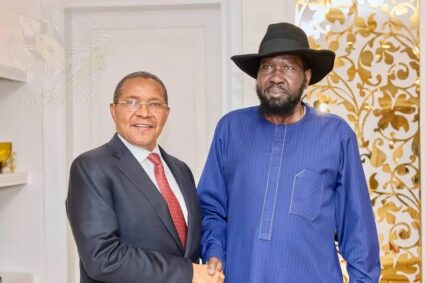
Kenyan President William Ruto is set to visit South Sudan today for a one-day working visit to discuss the ongoing peace process, dubbed the Tumaini Initiative, with President Salva Kiir.
The visit, confirmed by Presidential Press Secretary Lily Martin Ayuel during a press briefing on Tuesday, will focus on updating President Kiir on the progress of the Tumaini Initiative, a mediation effort led by Kenya to include holdout opposition groups excluded from the 2018 Revitalized Peace Agreement.
“The purpose of this short press conference is just to inform you about the working visit of President William Ruto of Kenya. President Ruto will be coming tomorrow (Wednesday) upon the invitation of His Excellency President Salva Kiir Mayardit,” Manyiel announced.
The press secretary refuted claims that President Kiir has lost interest in the Tumaini Initiative.
“The purpose of the visit, the working visit for President Ruto, is to inform, compare notes, touch base, and update President Salva Kiir Mayardit on the peace talks,” she stated. “This visit will be important too because it will put to rest impressions out there that His Excellency the President has abandoned and is no more interested in the Tumaini Initiative.”
The Kenyan President’s visit comes months after President Kiir requested Ruto to take over the mediation talks from Rome, where, sources say, the process had taken long to result to tangible fruits.
A recent meeting between a South Sudanese delegation, led by Cabinet Affairs Minister Martin Elia Lomuro, and President Ruto in Nairobi set the stage for this visit, with the delegation, ostensibly commissioned by President Kiir, delivering a detailed document that a source close to the meeting, said had some reservations about certain aspects of the Nairobi-led peace initiative.
Civil society member and Executive Director of Community Empowerment for Progress Organization (CEPO), Edmund Yakani, who has been following these developments, commended the diplomatic push, but stressed the need for inclusivity and commitment.
“This visit by President Ruto signals hope, but only if it leads to actionable outcomes that respect the terms of the 2018 peace deal and address the concerns of all stakeholders, including opposition groups,” Yakani stated. “We must ensure that this process reinforces, not undermines, the strides already made.”
The Kenyan President’s meeting with Cabinet Minister Elia Lomura South Sudan government-led delegation last week indicated optimism. According to a statement on President Ruto’s official page, opposition parties involved in the Tumaini Initiative “confirmed their readiness to sign the Tumaini Consensus, the product of sustained inclusive negotiations.”
Yesterday, the Kenyan head of state met opposition parties’ representatives to the Tumaini Initiative, which included, among others Gen. Paul Malong and Gen. Pagan Amum in state house Nairobi.
As President Ruto arrives in Juba, the regional and international community will watch closely to see if the visit catalyzes progress. The question remains whether holdout groups will agree to renegotiate and integrate mechanisms without disrupting the 2018 peace framework. The success of this visit could mark a turning point for the Tumaini Initiative, ensuring that peace talks serve as an annex, not a replacement, to the existing agreement.
Kenya’s role in steering these negotiations underscores its commitment to fostering stability in South Sudan. “The goal now is to bridge any remaining gaps and move towards a peace that is truly sustainable,” Yakani concluded.
The stakes are high, and the outcome of this diplomatic engagement could shape the path forward for one of Africa’s youngest nations as it seeks lasting peace and political inclusivity.
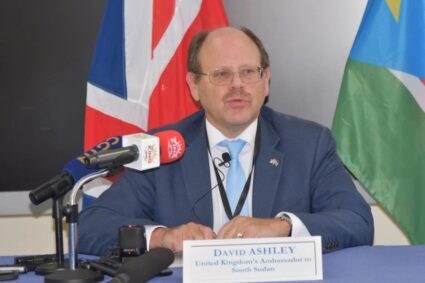
Last week, Troika, in a joint statement issued by the members which include Norway, the United Kingdom and the United States of America, urged the South Sudan leaders to embrace the Tumaini Initiative in a bid to realize sustainable peace in the country, cautioning against lack of political goodwill among leaders.
“The international community must be clear that we will not support a status quo that promotes the privileges of a few over the welfare of the people of South Sudan. We agree that the forthcoming extension period is absolutely essential for the transitional government to demonstrate to the international community and the people of South Sudan its commitment to implement the peace agreement,” the group stated.