
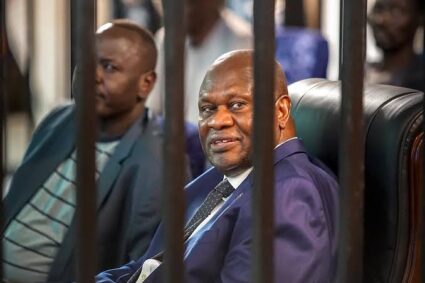



Vice President Dr. Benjamin Bol Mel in a meeting with the Minister of Wildlife Conservation and Tourism also discussed strategies to transform the country’s rich natural and cultural heritage
By Emmanuel Mandella
In a significant move aimed at repositioning South Sudan on the global tourism map, Vice President for Economic Cluster Dr. Benjamin Bol Mel met with the Minister of Wildlife Conservation and Tourism, Hon. Rizik Zakaria Hassan, to discuss strategies to transform the country’s rich natural and cultural heritage into a driver of national development.
At the heart of their discussion was South Sudan’s official bid to host this year’s East Africa Tourism Expo, a regional event expected to attract hundreds of investors, travel companies, and international media houses. If successful, the bid would mark the first time the young nation hosts such a high-level tourism event, which could position South Sudan on the radar as an emerging destination for wildlife and tourism.
“Tourism is not just about wildlife and landscapes; it’s about jobs, livelihoods, peace, and pride. This Expo bid sends a message that South Sudan is open to the world,” said Hon. Rizik Zakaria Hassan.
The Vice President underscored the government’s commitment to developing the sector by investing in infrastructure, boosting the hospitality industry, and most critically preserving peace. He emphasized that without peace, tourism, and its potential benefits, cannot thrive.
“Peace is the foundation. With it, our wildlife will roam free, our cultures will be celebrated, and the world will come to witness the miracle that is South Sudan,” said Dr. Bol Mel.
The leaders also discussed leveraging the Great Nile Migration, officially recognized as the largest land mammal migration on earth, as a global tourism magnet. Over six million animals ranging from white-eared kob, tiang, and tozo, and buffalo move through the stunning Boma-Badingilo-Jonglei landscape every year, creating a safari spectacle only matched to East Africa’s famed Serengeti.
With iconic species such as lions, giraffes, elephants, and cheetahs calling South Sudan home, conservationists and eco-tourists alike are beginning to take notice. But the country’s appeal goes beyond wildlife: South Sudan’s vibrant ethnic diversity, music, dance, storytelling, and colorful attire add unmatched cultural depth to any visit.
Developing the tourism industry could be a game-changer for the nation’s economy, currently grappling with inflation, limited infrastructure, and overreliance on oil. According to the World Travel & Tourism Council, tourism in Africa has the potential to contribute up to 7% of a country’s GDP and create thousands of jobs especially for youth and women.
In neighboring countries like Kenya, Rwanda, and Uganda, tourism contributes significantly to foreign exchange and employment. South Sudan could tap into this potential if deliberate steps are taken.
“We must think long-term. Tourism is not a quick fix, but with the right policies and partnerships, it can be a pillar of our economy,” added Hon. Rizik.
This high-level meeting marks a fresh momentum in South Sudan’s journey toward a more diversified economy, with the coming months critical as the country awaits the outcome of its bid for the regional expo.
“Peace is the foundation. With it, our wildlife will roam free, our cultures will be celebrated, and the world will come to witness the miracle that is South Sudan,” said Dr. Benjamin Bol Mel, Vice President for Economic Cluster.