

South Sudan unveils bold allocations for agriculture, roads in 2025/2026 fiscal budget

Agriculture tops this year’s priority list as the government seeks to reduce dependence on food imports and revive local food production
By Emmanuel Mandella
The government is charting a new path toward economic recovery and food security, following the Ministry of Finance and Planning’s announcement of major allocations in the 2025/2026 national budget aimed at revitalizing agriculture and improving road connectivity across the country.
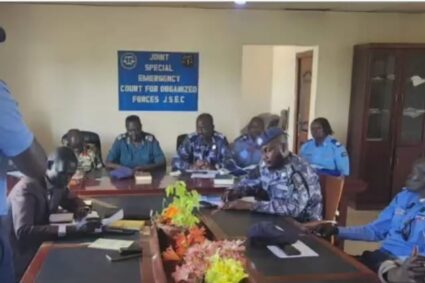
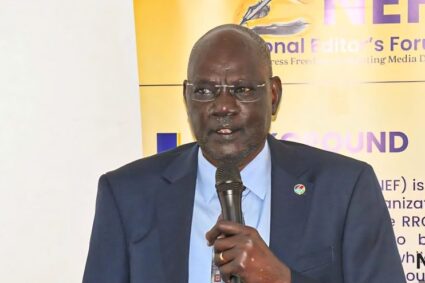
Speaking at the conclusion of a high-level Budget Preparation Workshop in Juba, Mr. Bor Yor, Director General for Budget and Revenue Policy, representing the Minister of Finance, described the budget as a strategic instrument for economic diversification and macroeconomic stabilization. He noted its importance in a nation still confronting inflation, internal displacement, and the fragility of a post-conflict economy.
“We made enough allocation for the agriculture sector, and we have not forgotten our people. We are determined to support food security and diversify our economy,” said Yor.
Agriculture tops this year’s priority list as the government seeks to reduce dependence on food imports and revive local food production. Yor emphasized that the allocations are designed to empower rural farmers and strengthen local food systems, viewing agriculture as a foundation for national development.
“Agriculture is our foundation. Food security means dignity, and we are funding that future,” he said.
Substantial funding has also been allocated to road infrastructure, a move aimed at connecting markets and productive zones across the country. Yor underscored that roads remain essential for enabling trade, boosting productivity, and ensuring access to services.
“The road must go ahead. The markets must be accessible. That’s why we have prioritized infrastructure again this year,” he stated.
In addition to agriculture and roads, the government has committed to humanitarian support for populations displaced by flooding and for returnees from conflict-affected areas in Sudan. Yor reassured the public that humanitarian needs were fully considered despite fiscal limitations.
“We are aware of the crisis displacement due to floods, and returnees from Sudan. Humanitarian interventions are well covered in this budget,” he said.
The Ministry confirmed that all submissions from Ministries, Departments, and Agencies have been compiled and that the budget document is ready for formal presentation to the National Legislature. The next step is the opening of Parliament by President Salva Kiir, after which the Finance Minister will be invited to present the budget.
“We have done our part by concluding this workshop and once the Parliament is opened, we anticipate the Finance Minister will be called to present the national budget as a priority,” said Yor.
Although the timeline has been slightly delayed, the Finance Ministry expressed confidence that all constitutional and Public Financial Management Act requirements will be met, ensuring accountability and alignment with democratic principles.
“This has been a very successful workshop. Even though a little late, we are optimistic this budget will meet all legal timelines. We are ready,” Yor affirmed.
As South Sudan edges closer to its long-awaited democratic transition, the 2025/2026 national budget is being framed not only as an economic roadmap but also as a political commitment to improving lives, restoring livelihoods, and laying the groundwork for a more self-reliant future.
With both local and international observers watching closely, the hope is that this year’s budget will restore confidence in public institutions and plant lasting seeds of stability and prosperity.