


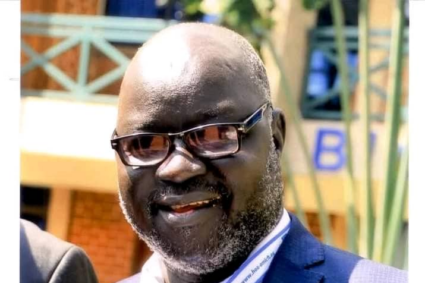

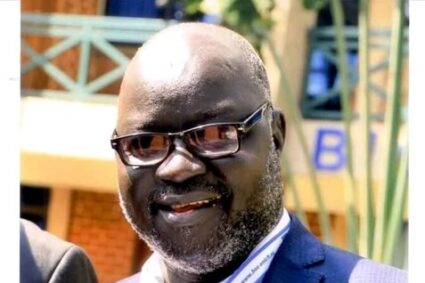
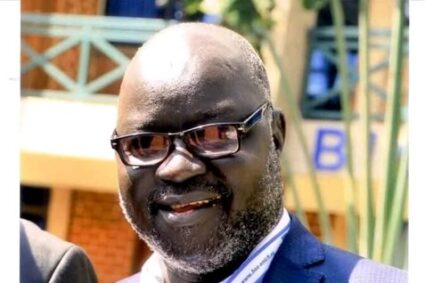

By Nyuopdit Bul Angok
The world today feels like a crowded marketplace where the loudest voices drown out the rest. Big powers carve up deals in backrooms, while smaller nations like South Sudan barely a decade old and still nursing the wounds of war are left scrambling for scraps of attention. Global institutions like the United Nations and the World Trade Organization, once seen as referees, now watch helplessly as giants like the U.S. and China rewrite the rules mid-game. For South Sudan, this isn’t just politics it’s survival.
The recent clash with the U.S. over immigration policies is a perfect storm in this chaotic era. Imagine a small shop owner suddenly fined by a wealthy landlord for a rule they didn’t understand. South Sudan’s embassy staff, fearing crippling sanctions, made desperate choices under pressure. Airport officials, acting on frayed nerves, sent deportees back to the U.S. without consulting their own government. Now visas are suspended, and trust is shattered. But in a world where power trumps fairness, how does a nation like South Sudan pick up the pieces?
The heart of the matter
Let’s start with people, not policies. South Sudanese diplomats aren’t faceless bureaucrats, they’re parents, siblings, and survivors of a nation that’s known little but struggle. When U.S. sanctions loomed, they chose deportation over disaster, like a farmer selling their last cow to feed a family. It wasn’t right, but it was human. The problem is, in today’s world, empathy rarely shapes diplomacy.
This is where South Sudan needs to get creative. Instead of shouting into the void, it could send someone like Francis Mading Deng a elder statesman whose voice carries weight beyond borders to sit across from U.S. officials. Not to negotiate, but to remind them that behind the term “diplomatic crisis” are millions of people just trying to rebuild their lives. Stories, not statistics, might soften hardened positions.
The unwritten rules of a broken system
Globally, we’re seeing a return to raw, transactional politics. The U.S. trades arms for oil, China swaps infrastructure for loyalty, and tiny nations hawk their minerals just to stay afloat. South Sudan isn’t exempt. Its rare earth minerals, those hidden treasures beneath the soil could be a lifeline. But this isn’t just a business deal. It’s a plea: “See us as partners, not pawns.” Imagine offering a handshake instead of a handout. “We’ll share our resources if you see our dignity.”
Yet there’s danger here. Aligning too closely with one power, whether the U.S., China, or Russia is like leaning on a splintered crutch. Look at Sudan, swaying between Saudi Arabia and Turkey, or Ethiopia balancing the U.S. and China. South Sudan’s best bet might be quiet partnerships with countries like India or Norway, who invest without demanding loyalty. It’s less glamorous, but safer.
The art of playing the long game
Retaliation feels satisfying a way to scream, “We matter!” Expelling U.S. diplomats or cozying up to rivals might earn applause at home, but it’s a short-lived win. The U.S. isn’t just a visa office; it’s a gatekeeper to aid, vaccines, and global banks. Burning that bridge would be like smashing your phone during an argument cathartic, but now you’re stranded.
Instead, South Sudan could take a page from Cuba’s playbook. For decades, Cuba weathered U.S. sanctions by building alliances quietly, waiting for political winds to shift. It’s not surrender, it’s stubborn hope. Keep embassies open, even if dialogue is frosty. Train diplomats to document every interaction, every slight, and share those stories with the world. In an age of social media, even small nations can turn sympathy into leverage.
The fixers and the friends
No nation survives alone. Even mighty America leans on allies. South Sudan could borrow a trick from Qatar, which mediates between foes like the U.S. and the Taliban. Ask a friend maybe Israel or Egypt to nudge Washington. Not as a formal plea, but as a quiet, “Have you considered their side?” Sometimes, a third-party whisper cuts through the noise better than a shout.
And don’t forget the power of ordinary people. South Sudan’s diaspora in the U.S. students, nurses, entrepreneurs are living bridges. Their stories of resilience could reshape American perceptions faster than any policy paper. Imagine a campaign, “We’re not a crisis. We’re a community.”
The lesson in the blunder
That airport mishap, where officials sent deportees back without consulting the Foreign Ministry, wasn’t just a mistake, it was a symptom of a system in chaos. Fixing this means creating something as simple as a hotline. Train every border guard, every clerk, to ask: “Wait let’s call the Ministry first.” It’s not glamorous, but neither is locking your door at night. Small precautions prevent big disasters.
A final thought: Dignity in the Storm
The world won’t change overnight. Power will still tilt toward the mighty, and institutions will keep crumbling. But nations like South Sudan have something no superpower can replicate, the grit of those who’ve survived the unimaginable. This isn’t about “winning” against the U.S. it’s about enduring, adapting, and outlasting.
Think of South Sudan as a baobab tree in a drought. Its roots dig deep, its branches bend but don’t break. One day, the rains will return. Until then, it’s about staying rooted.
In the end, maybe that’s the lesson, in a world obsessed with power, survival itself is a quiet act of defiance
Nyuopdit Bul Angok is a lawyer by profession, a human rights activist, and a political and social advocate. can be reached via email at: nyolnyuopdit@gmail.com.