


TNLA Speaker pays tribute to ‘dedicated statesman’ late kenneth Kaunda

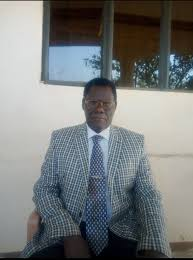
Speaker Paciko recalls working closely with Kaunda between 2005 and 2010 during their tenure in the Government of Western Equatoria State
By Riak Chol
The Speaker of the Transitional National Legislative Assembly (TNLA), Joseph Ngere Paciko, has paid a heartfelt tribute to the late Kenneth Kaunda, describing him as an exemplary public servant whose honesty, discipline, and dedication embodied the values that once defined South Sudan’s civil service.
In a memorial message issued on Saturday, Paciko remembered Kaunda as a respected accountant, administrator, mentor, and friend whose professional integrity left a lasting mark on public service in the country.
The Speaker recalled working closely with Kaunda between 2005 and 2010 during their tenure in the Government of Western Equatoria State, where Kaunda served as Director General for Administration and Finance while Paciko was Deputy Governor.
According to Paciko, Kaunda’s commitment to duty was evident in his daily work ethic.
“That time Kenneth Kaunda lived with three things I saw every day and recalled today: honesty, discipline, and love for his work of an accountant and administrator,” he stated. “He was the first to reach the office and the last to leave.”
Paciko described the late official as a leader who remained accessible to both colleagues and subordinates, adding that Kaunda demonstrated that integrity in public service was priceless.
“He showed the state government that being an accountant meant being a trusted person,” the Speaker noted.
The TNLA Speaker said Kaunda’s reputation extended beyond his technical duties in finance management. He characterized him as a guardian of public resources whose commitment to transparency earned widespread respect.
“In the Ministry of Finance, Kenneth Kaunda was more than an accounting officer. He was a guardian of public trust. He never manipulated figures; his pen stood for truth,” Paciko stated.
He further described Kaunda as one of South Sudan’s most distinguished accountants, noting that his professionalism set a benchmark for accountability in public institutions.
In his tribute, Paciko attributed Kaunda’s success partly to the values instilled by the Moru community, emphasizing that his remarks were intended to highlight historical contributions rather than promote tribalism.
The Speaker used the occasion to reflect on the significant role played by the Moru people in the development of Southern Sudan’s civil service from the colonial period through the era of regional self-government.
According to Paciko, the Moru were among the earliest Southern Sudanese communities to gain access to formal education through missionary schools established in the 1920s, particularly in Lui, Western Equatoria.
He noted that this educational advantage enabled many Moru men and women to become clerks, administrators, court officials, postal workers, and other government employees during the colonial administration.
Paciko identified the years between 1972 and 1983 as the peak of Moru influence within Southern Sudan’s public service.
He said many Moru professionals occupied key positions as directors general, accountants, police officers, prison officials, doctors, nurses, and civil administrators under the Southern Regional Government led by Abel Alier.
According to the Speaker, Moru civil servants gained a reputation for discipline, record-keeping, and financial accountability, helping establish administrative standards in Juba’s public institutions.
The Speaker noted that Moru influence in government declined after 1983 when President Jaafar Nimeiri dissolved the Southern Regional Government, a move that contributed to the outbreak of the second civil war.
Many Moru civil servants either fled to neighboring countries or joined the liberation struggle, resulting in a significant reduction of their presence within government institutions.
Paciko said their influence began to recover after the signing of the Comprehensive Peace Agreement in 2005, which paved the way for South Sudan’s eventual independence.
Concluding his tribute, the TNLA Speaker described Kenneth Kaunda as a product of a generation of public servants whose commitment to honesty and professionalism helped shape governance in Southern Sudan.
He credited the Moru community’s emphasis on literacy, accountability, and stewardship of public resources for producing administrators who served with distinction.
“Late Kenneth Kaunda was the product of this generation of the Moru who served in the Southern Regional Government with clean hands,” Paciko said.
The tribute has drawn attention not only to Kaunda’s personal legacy but also to the broader historical contribution of Moru civil servants in building and sustaining public administration in Southern Sudan across several decades of political transformation and conflict.
Utilities
“Late Kenneth Kaunda was the product of this generation of the Moru who served in the Southern Regional Government with clean hands.”- TNLA Speaker, Joseph Ngere Paciko.