



By James Chatim
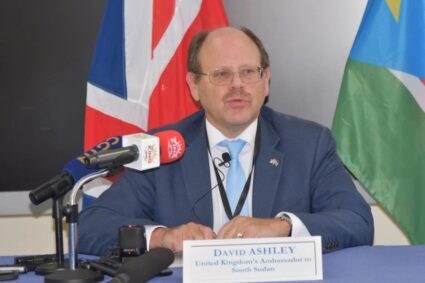
The Troika, which includes Norway, the United Kingdom and the United States of America, have urged the South Sudan leaders to embrace the Nairobi peace talks, dubbed Tumaini Initiative, in a bid to realize sustainable peace in the country.
The group cautioned against lack of political goodwill among leaders.
In a joint statement issued on Wednesday, the Troika group stated that they would not support a status quo that promotes the privileges of a few over the welfare of the people of South Sudan.
“The international community must be clear that we will not support a status quo that promotes the privileges of a few over the welfare of the people of South Sudan. We agree that the forthcoming extension period is absolutely essential for the transitional government to demonstrate to the international community and the people of South Sudan its commitment to implement the peace agreement,” Troika stated.
The Troika said their representatives agreed that South Sudan’s leaders’ actions in the weeks ahead will demonstrate whether they have the political will to meet their long overdue commitments within the current extension period.
The members said that they will remain focused on developments in South Sudan at this critical time.
“It is incumbent upon the leadership that they take seriously the agreements they have signed, with the understanding that business as usual’ cannot continue. Troika partners will continue to stand with the people of South Sudan in their journey towards democracy,” said the group’s statement in part.
On 20 March 2024, the Troika membership called for peaceful elections in the country.
Following senior-level visits to capitals to Juba, the Governments of Norway, the United Kingdom, and the United States said they reaffirm their call for South Sudan’s leaders to urgently take steps necessary to ensure genuine and peaceful elections in December. That process should address the ten questions posed by the trilateral mechanism (United Nations, African Union and The Intergovernmental Authority on Development).
They also urged the transitional government to use public revenue in a transparent manner to address public needs, including funding and operationalisation of electoral institutions.