




Western envoys condemn killing of aid workers, demand urgent protection measures

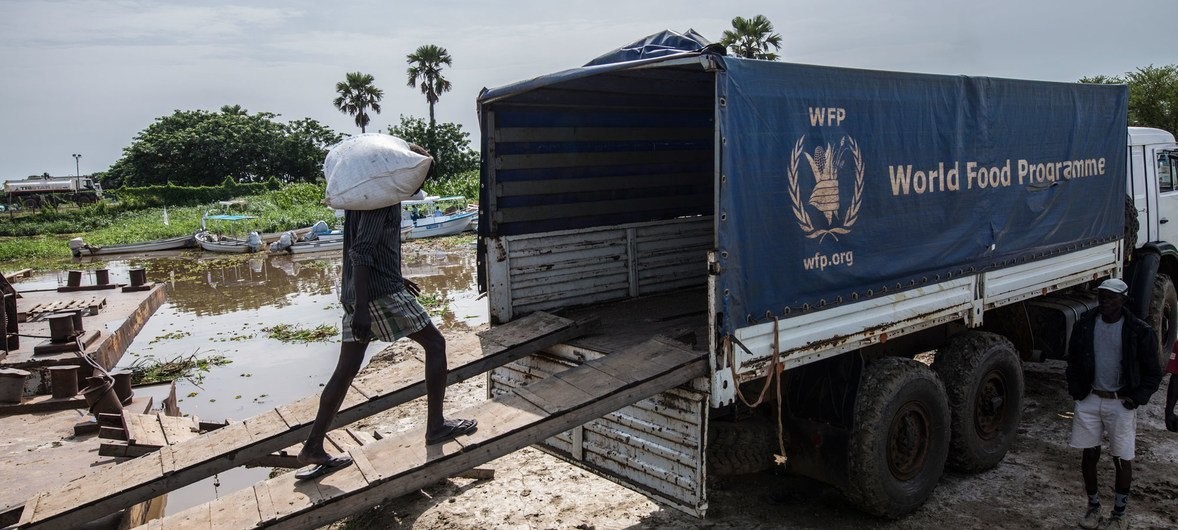
The diplomats, in a joint statement, cited three separate incidents in February that claimed the lives of aid workers serving vulnerable communities across conflict-affected regions.
By Emmanuel Mandella
Western diplomatic missions and international partners have strongly condemned the killing of humanitarian workers in South Sudan, warning that continued violence against aid personnel threatens life-saving operations and the country’s stability.
In a joint statement, the embassies of Canada, France, Germany, Japan, Kenya, the Netherlands, Norway, the United Kingdom, and the United States, alongside the European Union delegation, described the attacks as “heinous” and called on the Transitional Government to take immediate steps to protect humanitarian staff and ensure those responsible are brought to justice.
The diplomats cited three separate incidents in February that claimed the lives of aid workers serving vulnerable communities across conflict-affected regions.
A staff member working for a national partner implementing UNICEF-supported programmes was killed on February 7 in Baliet County. On February 13, a nurse affiliated with IMA World Health was shot dead at his home in Wunbiem, Ayod County of Jonglei State.
Three days later, a private contractor working as a Drop Zone Coordinator for the World Food Programme was murdered in Ngueny, Nasir County of Upper Nile State.
“These heinous attacks on humanitarian workers are unacceptable,” the envoys said, stressing that those targeted were delivering food, healthcare, and other essential services to communities in desperate need.
As per reports, the country still struggles with safety of humanitarian workers and supplies, with repeated attacks, ambushes, and criminal incidents disrupting relief operations.
Aid workers often travel through remote and insecure areas to deliver assistance to millions of people affected by conflict, displacement, and food insecurity. Diplomats warned that the latest killings highlight a worrying pattern of violence that could force organizations to scale back operations.
“Humanitarian staff have long operated under high risk while providing life-saving assistance. Their safety must be guaranteed,” the statement noted.
Humanitarian agencies play a critical role in South Sudan, where large segments of the population depend on external support for food, medical care, and emergency relief.
The diplomatic missions urged the government to take “immediate action” to end escalating insecurity, prevent further attacks, and hold perpetrators accountable.
They also called for stronger protection measures for aid convoys, field staff, and health workers, particularly in conflict-prone areas.
“Ensuring the safety of humanitarian personnel is essential for the continuation of critical assistance,” the envoys said, adding that insecurity not only endangers lives but also disrupts the delivery of services to vulnerable communities.
The diplomats emphasise that failure to protect aid workers could worsen the humanitarian situation and undermine peace efforts.
Impact on Vulnerable Communities
Humanitarian organizations have warned that attacks on staff often lead to the suspension of operations in affected areas, leaving communities without food distributions, medical services, and emergency support.
In areas such as Upper Nile and Jonglei, where access is already limited by insecurity and poor infrastructure, the loss of aid workers can have immediate and severe consequences for civilians.
Relief agencies say health workers, in particular, are vital in responding to disease outbreaks, maternal health needs, and malnutrition among children.
Beyond protection measures, the envoys called for renewed efforts to advance peace and stability across the country, noting that ongoing violence continues to undermine humanitarian work and national recovery.
They extended condolences to the families, colleagues, and organizations of the victims and reaffirmed their commitment to supporting the South Sudanese people during what they described as a challenging period.
“We stand in solidarity with the humanitarian community and with the people of South Sudan who depend on their life-saving work,” the statement said.
As the country moves toward a planned political transition, observers say improving security for aid workers will be critical to sustaining humanitarian operations and building confidence among international partners.
For many communities, the presence of humanitarian workers represents the only access to basic services making their protection not only a security priority but a humanitarian imperative.