


United People’s Alliance announces readiness for new round of Tumaini talks

By Correspondent
The United People’s Alliance (UPA), a coalition of opposition factions that participated in the Kenya-led Tumaini (Hope) Initiative, has announced its readiness to engage in a new round of dialogue within the framework proposed to revive the political process in South Sudan.
The Kenyan initiative aims to revitalize stabilization efforts and create a conducive environment for holding the postponed elections, given the ongoing security and political challenges hindering the implementation of the 2018 Revitalized Agreement on the Resolution of the Conflict in South Sudan (R-ARCSS).
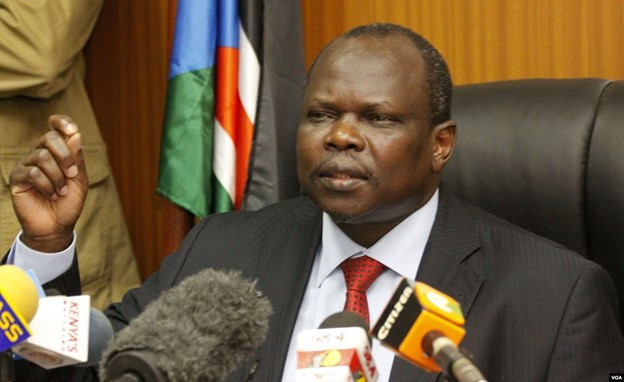
According to a letter dated February 13, 2026, signed by UPA Chairman Pagan Amum and addressed to the initiative’s chief facilitator, Gen. Lazarus Sumbeiywo, the alliance confirmed its formal acceptance of the proposed dialogue mechanism, which focuses on inclusivity and equitable participation.
The UPA also stated that the immediate release of political prisoners is a prerequisite for creating a conducive environment for building trust and ensuring the success of the talks.
The statement explained that the alliance is ready to engage “effectively and constructively” with all parties to reach a national consensus that will avert the risks of disintegration and lay the foundations for sustainable peace. It also expressed its commitment to discussing pressing issues, including a cessation of hostilities, the protection of civilians, ensuring unimpeded humanitarian access, and completing transitional arrangements leading to good governance and lasting stability.
The alliance commended the efforts of Kenyan President William Ruto and the Kenyan government in supporting the mediation process and facilitating an inclusive, South Sudanese-led process, praising what it described as their continued commitment to promoting peace, stability, and democratic governance.
There has been no official comment from the Kenyan mediation team regarding the message so far.
This development comes as the country prepares for elections scheduled for December 2026, after several postponements due to the stalled implementation of security arrangements, the absence of a permanent constitution, and logistical challenges. The proposed “National Consensus Charter” initiative is seen as the latest regional attempt to break the ongoing political deadlock, amid continued violence, an economic crisis, and humanitarian needs despite the signing of the 2018 peace agreement.